Motorcycles have fascinated enthusiasts and casual riders alike for over a century, morphing from rudimentary contraptions into sophisticated machines that pepper highways worldwide. This remarkable journey—rich with innovation and cultural significance—sheds light on our enduring passion for these two-wheeled steeds. In exploring 100 years of motorcycle history, we unveil the intricate tapestry interwoven with engineering prowess, adventurous spirit, and remarkable societal shifts.
The Dawn of Motorcycling: The Late 1800s
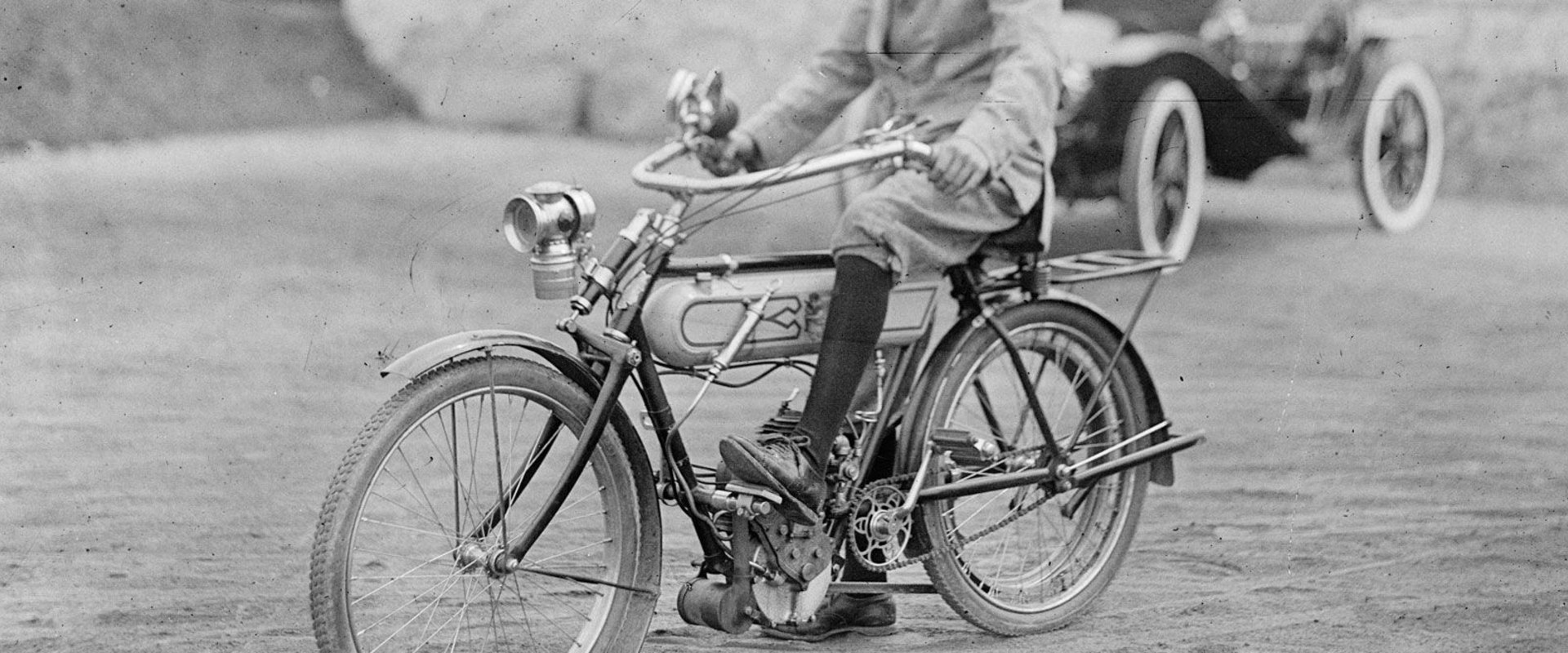
The roots of motorcycling can be traced back to the late 19th century. The first motorcycle, created by Gottlieb Daimler in 1885, was a primitive design featuring a wooden frame and a single-cylinder gas engine. This “Reitwagen,” or riding car, was the inception of a revolution—albeit an era dominated by skepticism about motorized vehicles.
As experimentation burgeoned, multiple inventors contributed to this evolving field. The establishment of the Indian Motorcycle Company in 1897 and the creation of Harley-Davidson in 1903 heralded the onset of American manufacturers shaping the narrative. The gasoline-fueled two-wheelers were not merely mechanical ingenuity; they epitomized freedom and liberation from the constraints of horse-drawn transport.
The Roaring Twenties: A Celebration of Style and Speed
The 1920s ushered in a flamboyant chapter in motorcycle history. This decade was characterized by a sense of youthful exuberance and competition as motorcycle races flourished. Manufacturers like Indian and Harley-Davidson strutted their prowess not just through speed, but also through design, revamping their machines with artistic flair and superior engineering.
The allure of motorcycles transformed them into cultural symbols. With increasing accessibility, they became vehicles for adventure and self-discovery. Iconic figures—such as the legendary “Easy Rider”—embodied the romanticized escapism associated with motorcycles, leading to an undeniable fascination that would endure across generations.
The Great Depression to World War II: Fortitude and Innovation
The tumultuous period of the Great Depression posed significant challenges to motorcycle manufacturers. However, rather than retreat, companies leaned into innovation. The introduction of the V-twin engine in the 1930s allowed for enhanced power and improved performance, setting the stage for what would later become a staple in big bikes.
The advent of World War II brought about a pivot in the industry. Motorcycle production shifted to support military efforts, with robust models like the Harley-Davidson WLA serving as versatile vehicles for troops. These rugged machines not only helped transport soldiers but also showcased the motorcycle’s reliability and agility on challenging terrains.
The Post-War Boom: The Birth of Subcultures
Following the war, the motorcycle industry experienced an explosive resurgence, giving rise to various subcultures. The 1950s and 1960s saw the emergence of youth movements accentuated by the rebellious allure of motorcycles. Icons like Marlon Brando in “The Wild One” and the British rockers riding Triumphs crystallized the motorcycle as a symbol of defiance and nonconformity.
During this period, Japanese manufacturers began gaining traction in the market. Honda, Suzuki, and Yamaha revolutionized the industry by producing reliable, affordable bikes that appealed to a larger demographic. The introduction of models like the Honda CB750 in 1969, featuring disc brakes and electric start, signified a new chapter in performance and reliability.
The Evolution of Technology: The Late 20th Century
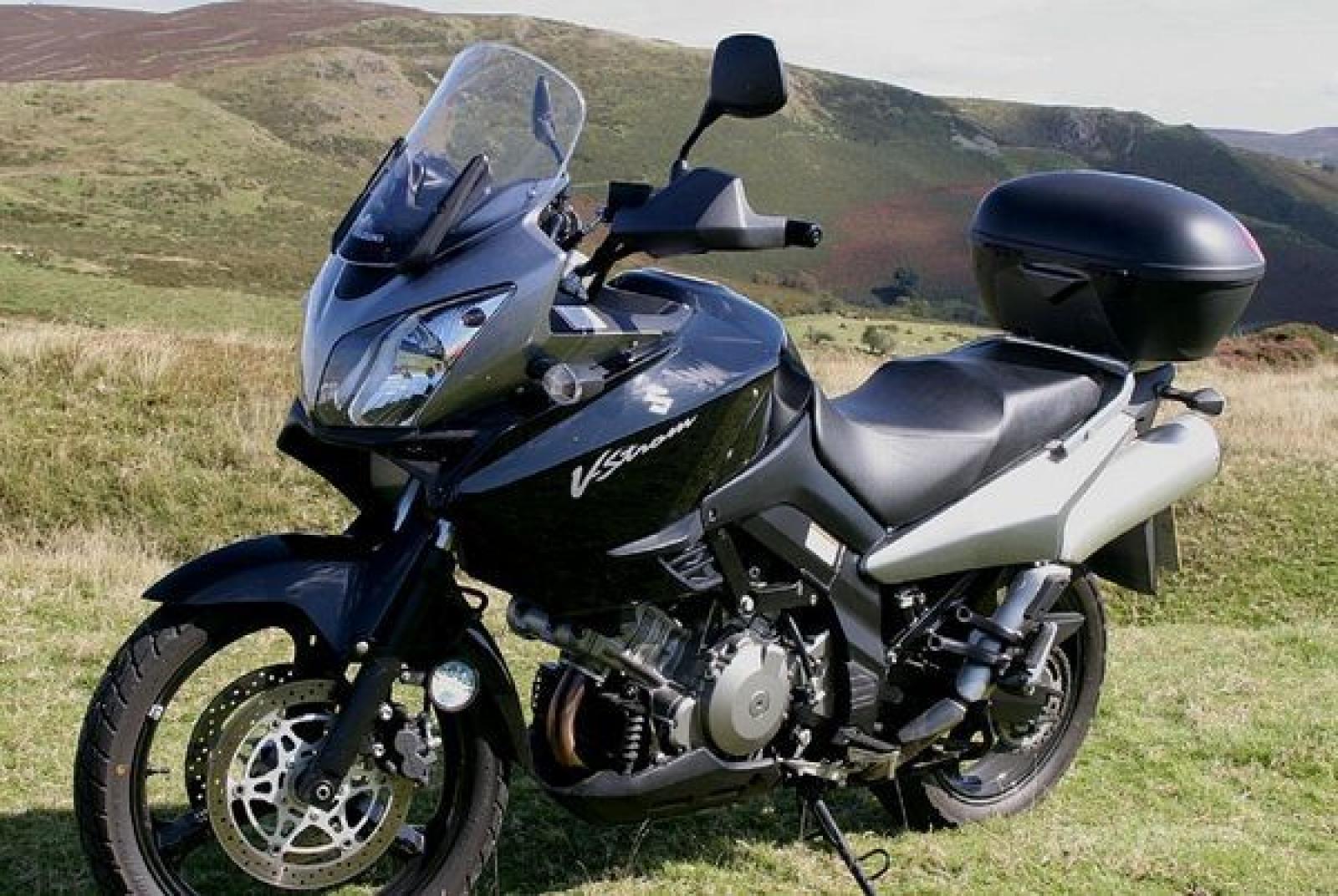
As we progressed into the 1980s and 1990s, technology began to reshape motorcycling dramatically. The introduction of digital fuel injection, advanced suspension systems, and enhanced braking technologies vastly improved the riding experience. The focus on performance paved the way for super-sport bikes, leading to cult followings centered around models that pushed the boundaries of speed and agility.
Furthermore, the incorporation of innovative materials such as carbon fiber and aluminum revolutionized bike construction. Lightweight and durable, these materials allowed for profoundly agile handling, further enhancing riders’ experiences on the open road.
The 21st Century: Merging Tradition with Modernity
Today, motorcycles embody a harmonious blend of tradition and modern technology. The dawn of the 21st century saw the rise of electric motorcycles—an adaptation that pays homage to sustainability while retaining the exhilarating thrill synonymous with biking. Brands like Zero Motorcycles and Harley-Davidson’s LiveWire spearhead this transition, appealing to environmentally-conscious riders without compromising performance.
Moreover, advanced computing has entered the realm of motorcycling. The integration of ride-by-wire systems, advanced telematics, and connectivity features offers riders unprecedented control and comfort. Motorcycle safety has reached new thresholds with features like anti-lock braking systems (ABS) and traction control, ensuring that the joys of riding remain uncompromised.
Cultural Significance and The Endless Fascination
The 100-year evolution of motorcycle history is not solely about machines but also reflects broader societal changes. The motorcycle has become more than a mode of transportation; it represents a lifestyle steeped in freedom, rebellion, and camaraderie. From the desolate highways to scenic backroads, the unity forged among riders transcends boundaries, creating a global community that cherishes adventure and exploration.
As we conclude this journey through time, it is evident that motorcycles encapsulate the essence of human curiosity and innovation. They offer a visceral connection to the road, a conduit for emotional expression, and a reminder of the indomitable spirit of exploration that fuels our fascination with these magnificent machines. The motorcycle, in all its forms, continues to rev its engines in the hearts of many, promising an exhilarating ride into the future.