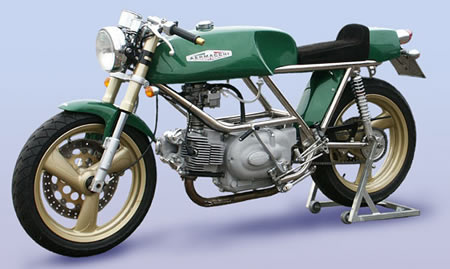
Aermacchi Motorcycles, an Italian manufacturer with a rich legacy, embodies a tale of innovation, ambition, and the unexpected synergy between European design and American bolstering. A tradition steeped in the creation of agile and robust two-wheelers, Aermacchi serves as an intriguing chapter in the annals of motorcycle history, especially concerning its association with Harley-Davidson, the iconic American brand. This article delves into the intricate tapestry of Aermacchi’s history and the peculiar but influential connection that intertwines it with Harley, promising to shift your perspective on the motorcycle landscape.
Origins of Aermacchi
The roots of Aermacchi trace back to the post-World War II era when the company was initially established as a producer of aircraft. Founded in 1912 by Giulio Cesare Carcano in Varese, Italy, Aermacchi had its sights set on creating inventive aviation solutions. However, as the war concluded, the company pivoted its focus towards motorcycle manufacturing. This transition marked the genesis of a new era for Aermacchi, where the principles of aerodynamics and engineering honed in aviation were seamlessly transposed onto the design of motorcycles.
The Rise to Prominence
Aermacchi’s foray into motorcycle production bore immediate fruit. The early models showcased avant-garde design elements and compelling performance, with the Aermacchi 125 Corsa claiming victory on racetracks and earning a reputation for speed and agility. As the company expanded its range, it embraced developments like the Aermacchi Ala Verde, further solidifying its standing in the fiercely competitive motorcycle market of the 1960s.
Crucially, Aermacchi recognized the importance of racing as a platform for innovation and publicity. By investing heavily in racing teams, the brand amassed an impressive array of accolades. This commitment not only bolstered Aermacchi’s image but also attracted the attention of the American motorcycle giant Harley-Davidson.
Harley-Davidson’s Strategic Interest
The mid-1960s heralded a transformative phase for Harley-Davidson. Confronted with declining sales and increasing competition, the company sought creative solutions to quell the encroaching dominance of Japanese motorcycle manufacturers. During this period of reverberating uncertainty, Aermacchi emerged as an alluring prospect. The synergies in engineering, particularly with Aermacchi’s lightweight designs, captivated Harley executives, leading to a groundbreaking acquisition in 1960.
This partnership fostered a paradigm shift for Harley-Davidson. It allowed the American brand to penetrate the smaller displacement market, facilitating access to new demographics and consumer bases. This strategic union bore fruit in the form of models like the Harley-Davidson Sprint, based on Aermacchi’s designs, which resonated with novice riders and experienced motorcyclists alike.
Cultural Confluence
The collaboration between Harley-Davidson and Aermacchi wasn’t merely a business agreement; it represented a profound cultural exchange. The American ethos of rugged individualism combined with Italian flair for sophisticated design aesthetics created motorcycles that were not only functional but also captivating. The Aermacchi designs, characterized by their lightness and nimbleness, catered to the spirit of the 1960s counterculture, becoming the vehicles of choice for liberation and self-expression.
As Aermacchi flourished under Harley’s umbrella, the two brands coalesced in showcasing a dichotomy of engineering philosophies. While Harley triumphantly paraded its heavy cruisers, Aermacchi counterbalanced this with sleek, nimble machines that epitomized Italian artistry. Together, they tantalized motorcyclists, creating a diverse palette of options and experiences in a rapidly evolving landscape.
The Decline and Transformation
In a bid to salvage the partnership, Harley transitioned the Aermacchi brand into a subsidiary named AMF-Aermacchi in 1974, entailing a significant operational restructuring. However, by the 1980s, further financial pressures resulted in the eventual dissolution of the partnership, leading to the sale of Aermacchi’s assets to Cagiva. This signified the collapse of a unique collaboration that had injected a breath of fresh air into the motorcycle industry.
The Legacy Endures
Moreover, the cultural impact of Aermacchi and its association with Harley-Davidson has fostered a profound appreciation among enthusiasts. Collectors and vintage motorcycle aficionados often pay homage to the remarkable lineage that defines Aermacchi’s history, celebrating the beautiful confluence of Italian craftsmanship and American resilience.
Conclusion: A Unique Connection
The narrative bridging Aermacchi and Harley-Davidson unveils a compelling tale of collaboration, innovation, and cultural interplay. It serves as a fascinating lens through which one can view the evolution of motorcycling – a testament to how two distinct worlds can converge to create machines that resonate with freedom and adventure. As motorcyclists continue to embrace both legacy brands, the story of Aermacchi reminds us that behind every twist of the throttle lies a rich heritage waiting to be discovered.