As the sun sets over the racetracks of the world, casting long shadows upon the asphalt, the roaring sound of motorcycles fills the air, giving life to the intense drama that unfolds in the realm of MotoGP. Here, machines are not merely metallic shells; they are intricately designed entities, fusing engineering prowess with artful aesthetics. Yet, amid the cacophony of speed and competition, one brand notably abstains from entering the prototype class: BMW. This absence is as conspicuous as a blank canvas in a vibrant gallery, prompting curiosity about the underlying motivations. Why does BMW, a brand synonymous with performance and precision, choose to remain on the sidelines of this high-octane arena?
To understand BMW’s strategic retreat from MotoGP, one must first appreciate the brand’s ethos. Founded in the early 20th century, BMW has long portrayed itself as a purveyor of excellence and innovation. Much like a composer crafting a symphony, BMW is meticulous in its approach to engineering. The decision to eschew participation in a fiercely competitive prototype scene speaks volumes about the brand’s philosophical commitment to perfection, rather than relentless pursuit of glory.
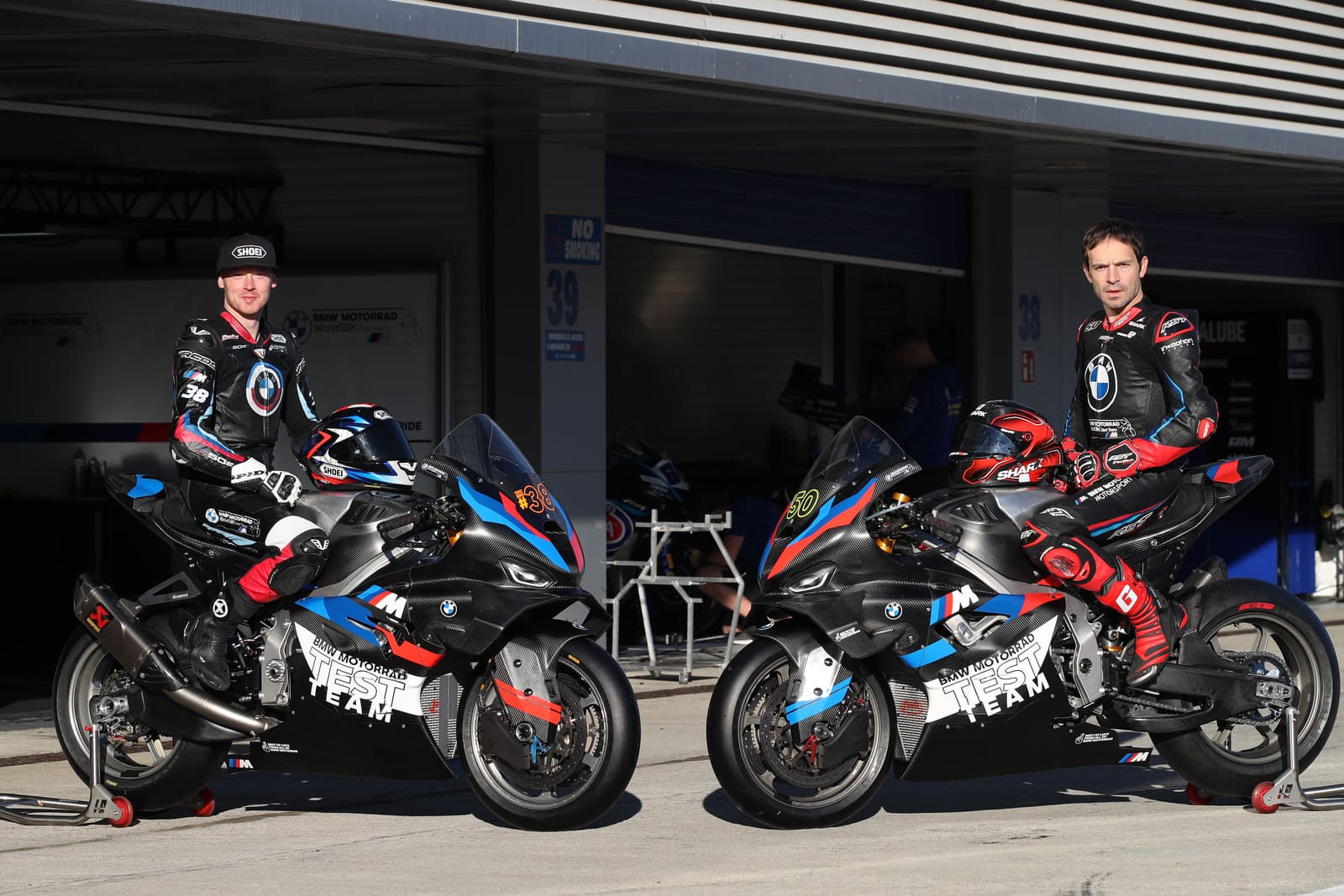
One primary consideration for BMW is the significance of its diverse portfolio. The brand has chosen to focus on niche areas where it can leverage its heritage. Instead of chasing transient victories in the prototype class, BMW has adeptly cultivated its presence in categories such as World Superbikes and the popular BMW Motorrad series. Like a carefully cultivated garden, each segment thrives under the watchful eye of innovation and quality control, allowing the company to maintain a cohesive identity.
Moreover, the prototype arena requires not only financial resources but also a substantial commitment to the relentless cycle of development and adaptation. Teams within MotoGP face a perpetual arms race, where the incremental enhancements of technology dictate success. Think of it as a relentless marathon, where innovation must outpace competitors’ aspirations. BMW, with its ambitions geared towards sustainable practices and efficiency, finds itself diverging from the equally imperative demands of MotoGP. The brand’s soul sings an entirely different tune, one that resonates with electric dreams and alternative fuels rather than the din of modified combustion engines.
BMW’s engagement with motorsport is extensive, but its preference leans towards races that allow for tangible road relevance. Every time a rider takes to the track, the thorny reality of testing limits and foraging for speed offers invaluable insights into consumer vehicles. By choosing to compete in World Superbikes, where direct technological applications frequently translate to street-legal machines, the brand demonstrates an inclination to serve the customer first. It mirrors the natural world, where species thrive in environments that bolster their survival—utilizing their strengths while mitigating the risks involved.
When analyzing the allure of MotoGP, one must consider the essence of racing itself—the spectacle, the drama, the heart-pounding thrill of competition. Yet, like a lavish bouquet that fades without proper care, the demands of the prototype class can sometimes sacrifice the foundational values that a brand like BMW represents. This pursuit of immediate glory can overshadow the meticulous craftsmanship that defines the brand. Thus, BMW meticulously balances its presence across the motorsport landscape—aiming for a powerful, yet refined, impact.
Furthermore, BMW prides itself on engineering excellence and premium quality, distinguishing the brand from competitors who may prioritize sheer speed and spectacle. This ethos symbolizes a broader narrative; BMW is not just in the business of motorcycles; it crafts experiences. A motorcycle bearing the BMW badge is akin to a finely tuned instrument, delivering unparalleled harmony between man and machine. Competing in the prototype class, with its predominantly aggressive dynamics, would require BMW to shed that narrative—something the brand profoundly values.
Additionally, there lies an element of strategic positioning within motorsport. By steering clear of MotoGP, BMW allows other manufacturers to engage with the prototype class, thus enabling a clear field of competition that could prove lucrative for them. The landscape becomes less of a chaotic battleground and more of a curated platform that echoes the brand’s philosophy. The conscious choice to bide time and observe allows BMW to harness the data and trends emerging from the MotoGP world while building upon its own distinctive branding without the cacophony of immediate competition interfering.
Lastly, embracing the consumer psyche offers considerable insight into BMW’s absence from MotoGP. The motorcycle enthusiast often seeks relatability—a connection to their ride. By aligning itself with more accessible racing formats, BMW cultivates an intimate camaraderie with its riders. They are not just customers; they are part of an exclusive club where the art of motorcycling transforms into shared experiences. Just as a family cultivates its own traditions, BMW brings riders into its fold, offering a unique appeal that transcends the spectator sport of racing.
In essence, BMW’s calculated absence from the hype of the MotoGP prototype class speaks to a grander philosophy woven into the fabric of the brand itself. It is not merely about racing; it is about maintaining a legacy of innovation, crafting robust and sustainable technologies, and ultimately, fostering a community around its motorcycles. As the roar of engines fades into the night, one can appreciate BMW’s strategic choices as brush strokes on the grand canvas of its prestige—a canvas carefully composed of meaning, craftsmanship, and an unwavering commitment to excellence.