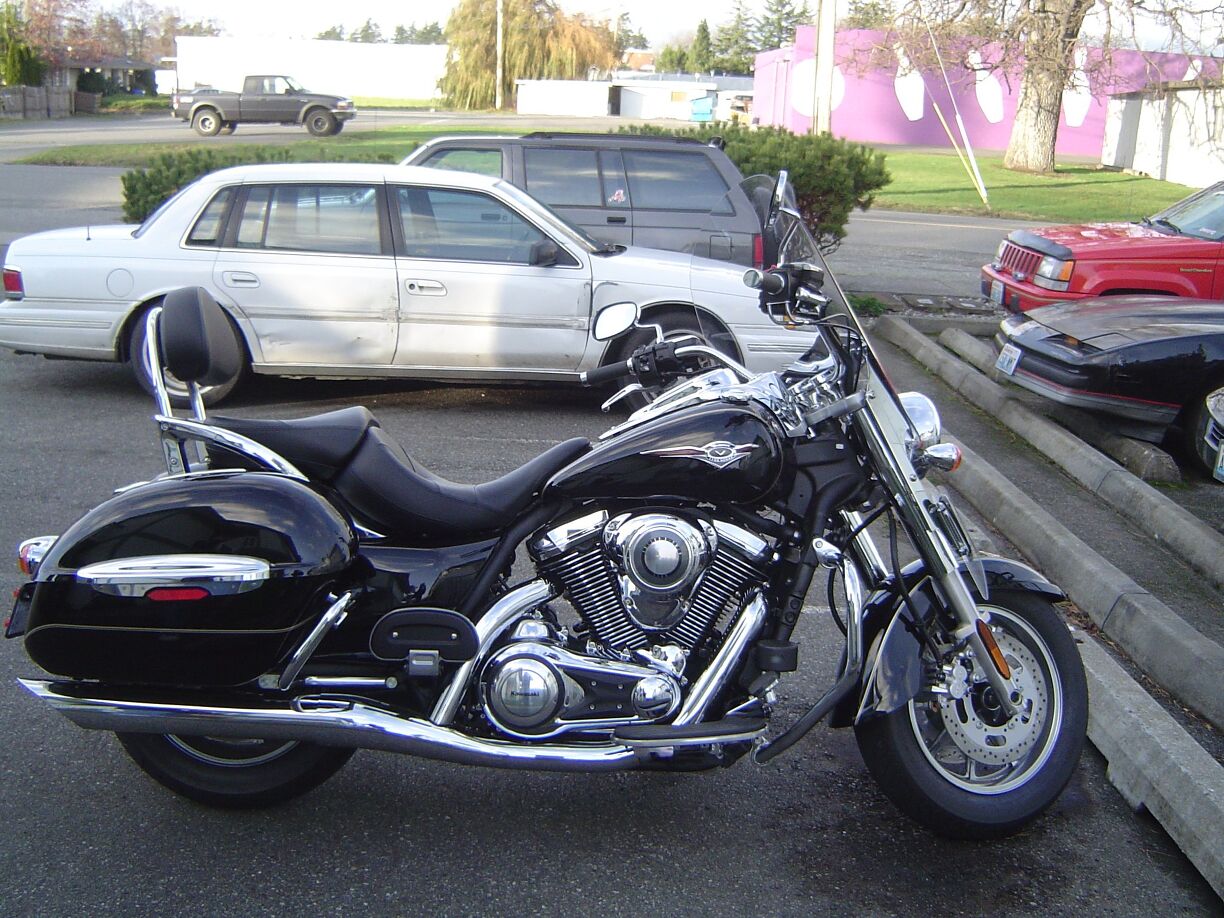
The Bonneville Salt Flats, a vast expanse of glimmering white salt crust, beckons motorcyclists with the unwavering allure of speed and adventure. Picture yourself roaring across this unique landscape, the horizon stretching endlessly before you. But hold on! Have you ever considered the challenges that might accompany this exhilarating experience? Before you pack your gear and set off, let’s delve into what every rider needs to know about conquering the salt flats.
1. Understanding the Terrain
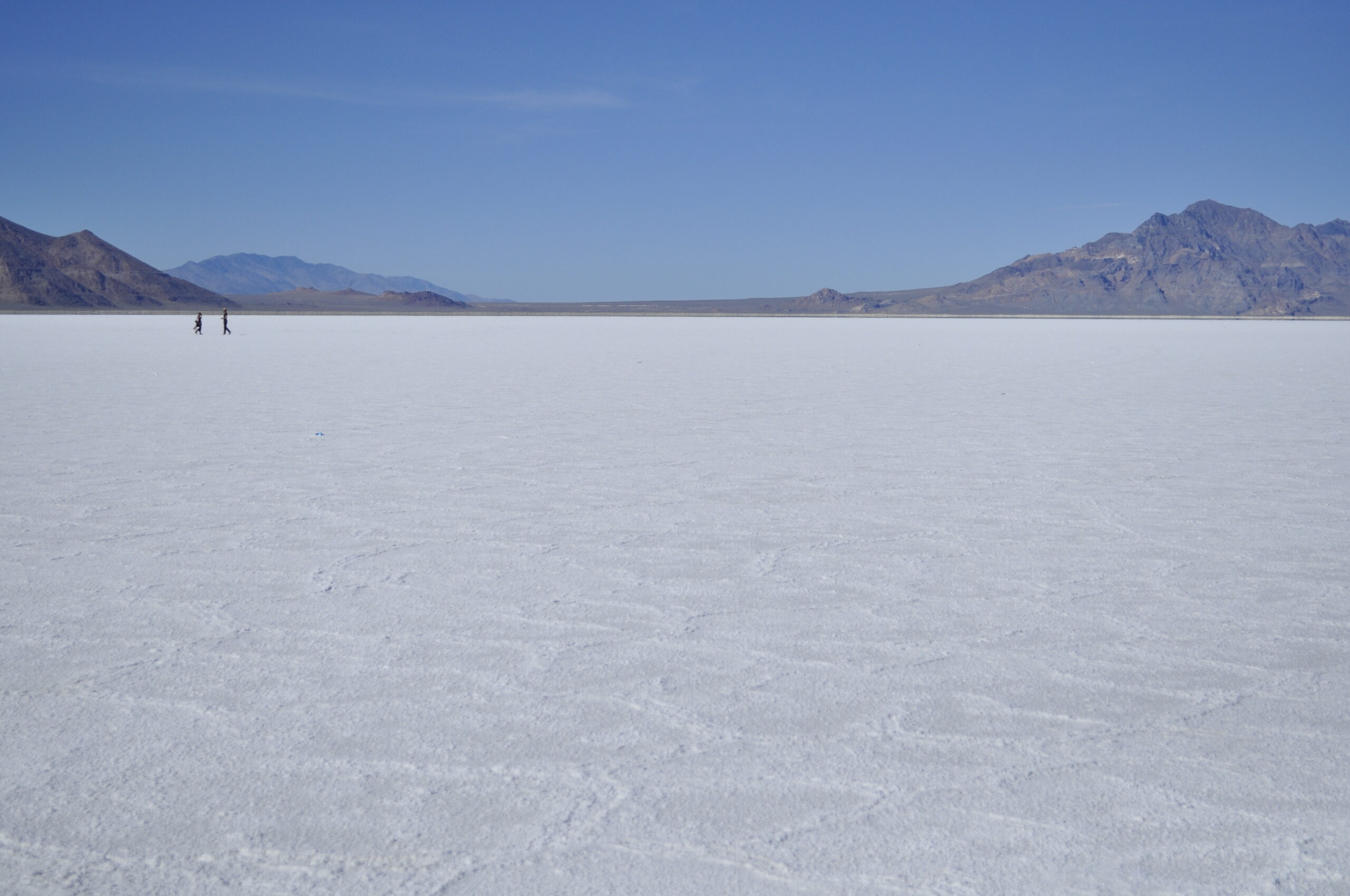
The Bonneville Salt Flats, located in northwestern Utah, span over 30,000 acres of desolate beauty. The salt crust is formed from evaporated ancient lakes, creating a seemingly otherworldly surface. However, this flat expanse can be deceptive. Riders should familiarize themselves with two primary features: salt crust thickness and surface conditions. In certain areas, the crust can be thin or even cracked, posing a hazard to unwary riders. Always perform a preliminary survey of the area you plan to ride.
2. The Best Time to Visit
The topography and climate are pivotal in determining your ideal riding time. Late spring to early fall, particularly from June to September, is generally considered the best window for motorcycle enthusiasts. These months offer the most stable weather conditions, with minimal rainfall. Beware, however, that summer heat can be intense, often exceeding 100°F (38°C). Therefore, early morning or late afternoon rides are often the most enjoyable and manageable.
3. Preparing Your Motorcycle
Your bike is your lifeline on the flats, so thorough preparation is crucial. Given the unique conditions, tire selection becomes imperative. Opt for tires specifically designed to withstand extreme temperatures and rough terrains; flat, wide tires provide better traction on the slippery surface. Moreover, inspect your motorcycle’s coolant system to prevent overheating in the sweltering sun. A well-ventilated helmet and lightweight riding gear can also enhance your comfort during extended rides.
4. Essential Gear and Safety Precautions
While it may be tempting to ride carefree across the salt, safety must remain a priority. Equip yourself with quality protective gear, including a DOT-approved helmet, padded jacket, gloves, and durable pants. Additionally, consider the importance of sunscreen, as the sun’s rays can be unrelenting against the stark white backdrop. An ample supply of water is non-negotiable; dehydration can quickly turn a pleasant ride into a dire situation. Riders should also have a first aid kit and emergency tools on hand, just in case the unexpected occurs.
5. Navigation and Etiquette
Although the Bonneville Salt Flats appear vast and empty, proper navigation is essential. Familiarize yourself with the main routes and avoid wandering into restricted areas. Keep an eye out for speedway markers and interpret maps appropriately. Mind the ethics of riding; respect the environment by staying on designated paths, which helps preserve the delicate ecosystem beneath the salt crust. Encountering fellow riders is common, and a simple wave or nod can help foster a sense of camaraderie within the community.
6. Sharing the Space
The salt flats attract not just motorcyclists, but also land speed racers, photographers, and curious tourists. This variety can make the environment feel bustling, especially during events like Speed Week. Riders should remain vigilant and courteous. Stay clear of areas designated for racing; these locations can experience incredibly high speeds that are perilous to onlookers. Being aware of your surroundings plays an integral role in ensuring safety for yourself and others.
7. Capturing the Moment
What better way to commemorate your adventure than through captivating photography? The stark contrast between the salt flats and an azure sky sets a stunning backdrop that captivates the eye. Equip yourself with a camera to document your journey. Golden hour—around sunrise or sunset—provides exquisite lighting for breathtaking shots. Remember to also photograph the iterations of the salt flats’ surface; from crystalline formations to puddles, each element together creates a unique tapestry of nature.
8. Knowing When to Turn Back
Riding across the Bonneville Salt Flats sounds exhilarating, but it’s crucial to recognize your limits. Weather patterns can change swiftly; an overcast sky can turn to thunderous storms without warning, compelling riders to seek shelter. Monitor the forecast and plan your ride accordingly. If the surface is wet or becomes soft after rainfall, it may be wise to postpone the ride. Rider safety and the well-being of your bike should always come first.
In conclusion, the Bonneville Salt Flats present an exhilarating yet challenging canvas for motorcycle enthusiasts. The sense of freedom you feel as you navigate across this stunning landscape is unparalleled. However, do you have what it takes to tackle the trials that come with it? By adequately preparing and understanding the nuances of riding in this unique setting, you can ensure that your adventure is both thrilling and safe. So gear up and get ready for an unforgettable experience across the salt—where every mile is a testament to the spirit of adventure!