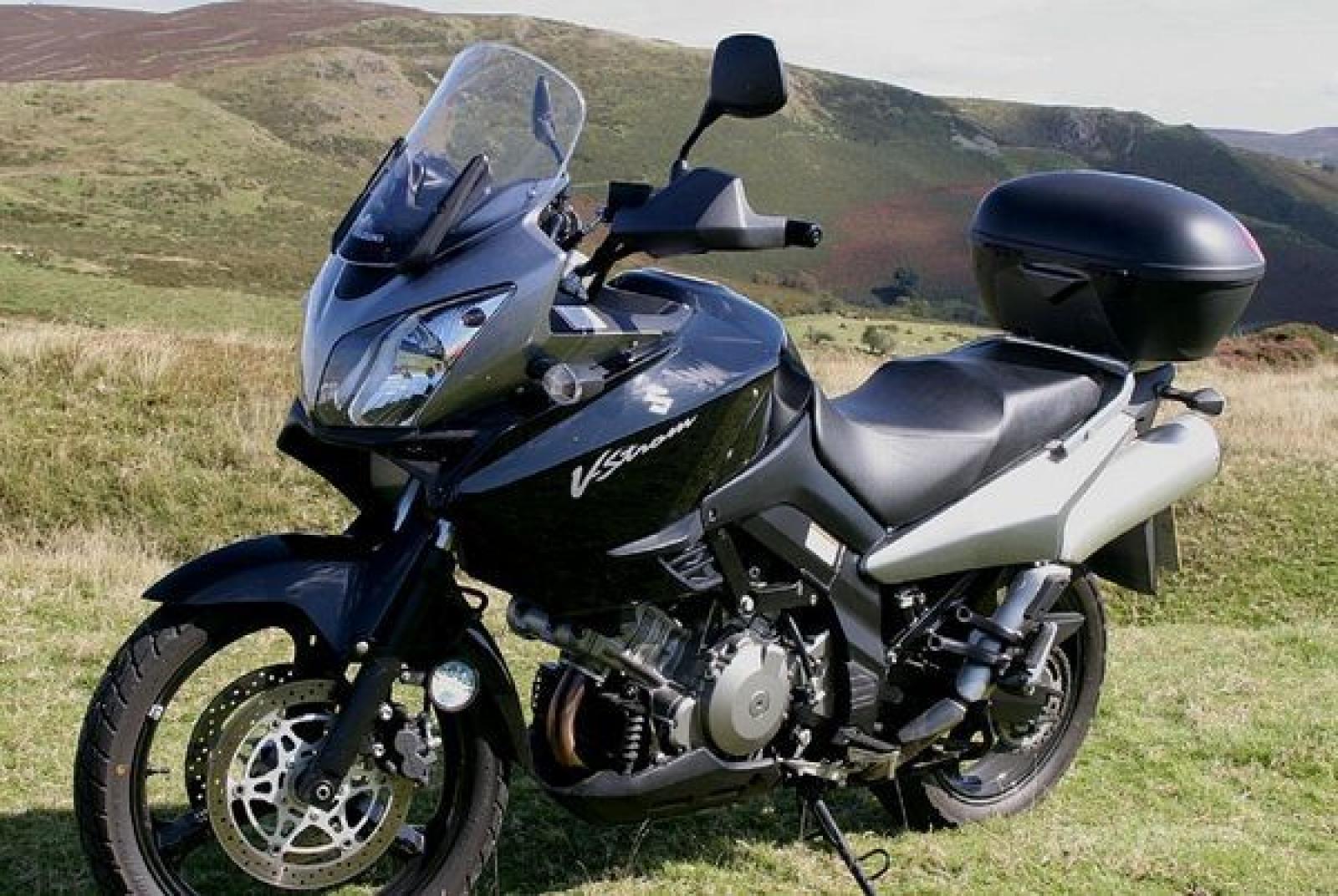
Motorcycles embody the spirit of freedom and adventure, but with this exhilarating experience comes an undeniable responsibility: safety. In today’s rapidly evolving world, embracing motorcycle safety technology can transform this perspective, making the road less perilous for riders and their passengers. Let us delve into the multifaceted reasons why integrating these technologies into your riding experience is not just prudent, but transformative.
1. Enhanced Visibility and Awareness
One of the most profound advantages of motorcycle safety technology lies in its ability to augment visibility and situational awareness. Advanced systems such as LED lighting, adaptive headlights, and blind-spot detection provide crucial visual enhancements. Imagine gliding through dimly lit streets with headlights that pivot to illuminate curving roads, or having sensors that notify you of vehicles in your blind spots. These innovations transform a potentially hazardous experience into one that fosters confidence and security while navigating unfamiliar terrain.
2. Advanced Rider Assistance Systems (ARAS)
ARAS is at the forefront of motorcycle safety technology, incorporating features such as collision warning systems and automatic emergency braking. Picture a scenario where the bike alerts you to an impending collision, allowing for timely evasive maneuvers. Such intelligent systems analyze real-time data, ensuring that the motorcycle acts as your vigilant companion rather than merely a mode of transport. This proactive approach fosters a culture of safety that extends beyond the individual rider, benefiting everyone on the road.
3. Enhanced Control with Traction Control and ABS
The grip between a motorcycle’s tires and the asphalt is paramount. Technologies such as Traction Control Systems (TCS) and Anti-lock Braking Systems (ABS) dramatically enhance control during abrupt maneuvers. TCS prevents the wheels from spinning under harsh acceleration, especially on slippery surfaces, while ABS ensures that you maintain steering ability even during frantic braking. Together, these features help to mitigate the risks associated with the unexpected, providing riders with paramount confidence in their machine.
4. Communication Systems for Situational Awareness
Riders often ride in groups, and a key to safe group riding is effective communication. Bluetooth-enabled helmets and headsets facilitate clear communication, allowing riders to share information about potential hazards or plan maneuvers without the need to signal ineffectively. With seamless audio integration, riders can stay connected, enhancing situational awareness, coordinating turns, and ensuring everyone navigates the roads as one cohesive unit. This collective effort reinforces not just individual safety but also a greater communal responsibility while on the road.
5. The Role of Wearable Technology
Wearable technology, like smart jackets or gloves equipped with sensors, offers another layer of safety. These garments can monitor vital signs, providing real-time health analytics that prove invaluable during emergencies. Furthermore, features such as airbag integration can mitigate injury during accidents, much like modern automotive safety features. Picture a jacket that instantaneously deploys protective measures upon impact—a revolutionary leap towards ensuring rider wellbeing in unprecedented ways.
6. Data-Driven Insights for Improved Riding
In the realm of motorcycle safety technology, data analysis plays a pivotal role. Modern motorcycles can collect vast amounts of information regarding speed, throttle position, and braking patterns. Riders can access this data to understand their riding behaviors better, identify potential areas for improvement, and cultivate safer riding habits. The ability to analyze such intricate details can lead to a metamorphosis in riding style—transforming impulsive maneuvers into calculated decisions grounded in data-backed insights.
7. Community and Support Networks
Many motorcycle safety technologies come with an associated community or network that provides support and resources. These platforms allow riders to connect with one another, sharing experiences, tips, and safety strategies. Embracing technology means joining a collective focused on improving safety and advocating for responsible riding. Within these communities, members can share anecdotes about how integrating safety technology saved them from dire consequences, cultivating an empowered mindset centered on safety.
8. Legal and Insurance Incentives
As motorcycle safety technology becomes more prevalent, insurance companies are beginning to acknowledge its significance. Riders who voluntarily adopt safety features may see reductions in premiums, incentivizing the adoption of safety technologies. Additionally, many jurisdictions are implementing laws that encourage the integration of certain safety features, effectively establishing a legislative framework that prioritizes the wellbeing of riders. Such changes not only enhance rider safety but also foster an environment where responsible riding is celebrated.
9. An Evolution Toward Safer Motorcycling
The motorcycle industry is witnessing a renaissance in safety, where technology is propelling the evolution of riding. By embracing innovations, riders can contribute to a new paradigm—one in which safety and enjoyment coexist harmoniously. With each technological advancement, the prospect of motorcycle accidents diminishes, which should ignite an enthusiasm for integrating these innovations into everyday riding.
10. A Conscious Shift in Riding Culture
Ultimately, embracing motorcycle safety technology heralds a conscious shift in riding culture. It cultivates an ethos where safety is not an afterthought but rather an integral element of the biker lifestyle. This perspective encourages riders to advocate for responsible practices, fostering an intricate tapestry of community, safety, and adventure intertwined seamlessly.
In conclusion, the journey toward embracing motorcycle safety technology is an invitation to view riding through a new lens—one that celebrates innovation and prioritizes safety. As technology continues to evolve, integrating these advancements becomes not only a personal responsibility but a collective vision of a safer and more exhilarating riding experience.