Motorcycles, sleek and agile, dance through the avenues of the world, carving their paths much like a falcon slicing through the sky. Yet, at the heart of this exhilarating experience lies a force that can just as easily transform joy into discomfort: aerodynamics. Understanding how drag and wind affect a motorcycle rider’s comfort is more than just a technical consideration; it’s the art of harmonizing man and machine against the whims of nature.
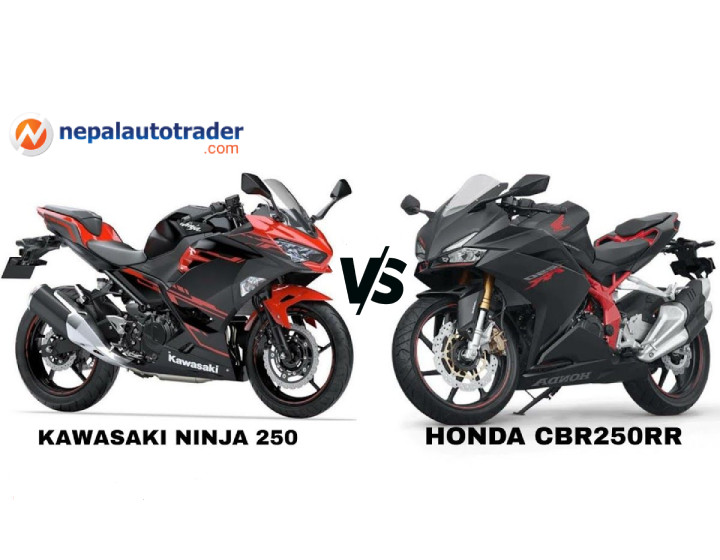
To appreciate the dance of a motorcycle against the wind, one must first grasp the concept of drag. Much like water flowing around a stone, the biker’s path is subjected to resistance, which can create turbulence and instability. There are mainly two types of drag that influence motorcyclists: form drag and induced drag. Form drag arises from the shape of the motorcycle and its rider. A naked bike, for instance, presents a larger frontal area than a fully-faired sportbike, creating greater resistance to airflow. On the other hand, induced drag is largely based on the speed of the motorcycle; the faster one travels, the more pronounced this drag becomes. Together, these elements conspire to dictate how efficient and comfortable a ride is.
Another crucial aspect of this aerodynamic equation is wind resistance. Imagine riding a motorcycle as an ongoing conversation between the rider and the wind. At lower speeds, the dialogue is gentle and manageable, but as speed increases, the communication becomes a cacophony of opposing forces. The 40 mph barrier often serves as a threshold; above this speed, the rushing air becomes a relentless adversary. It’s essential to recognize that wind resistance affects not just speed but also the rider’s body posture, comfort level, and, ultimately, enjoyment.
Comfortability on a motorcycle is inextricably linked to the rider’s ergonomics and positioning. The interplay of drag and wind can either cradle the rider in a soft embrace or subject them to harsh, biting gusts. A forward-leaning stance, typical in sportbikes, can reduce the wind’s effect on the body due to its streamlined design. However, this position may impose strain on the neck and wrists after prolonged rides. Conversely, an upright seating position, common in touring bikes, allows for a more relaxed ride, albeit at the expense of higher drag. It’s an exquisite balancing act, reminiscent of a tightrope walker navigating between the peaks of comfort and performance.
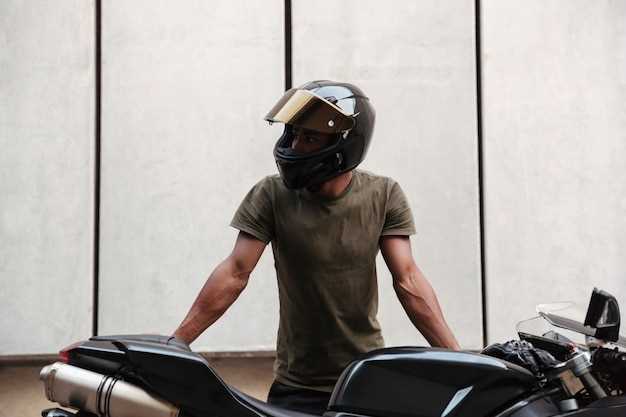
As riders perch atop their steeds, the helmet they don plays a pivotal role in their relationship with aerodynamics. A well-designed helmet can mitigate the noise and turbulence from wind, creating a quieter, more serene environment. Conversely, ill-fitted or poorly designed headgear can exacerbate the effects of aerodynamic drag, leading to discomfort and fatigue. In this sense, a helmet is more than just a safety accessory; it’s an essential component in the broader aerodynamics equation.
Further down the spectrum of aerodynamics lies clothing choice. Fabrics that have a tighter weave or are designed specifically for wind resistance can significantly reduce drag. Riders may opt for sleek leathers or advanced textile garments that billow less in the wind, enhancing both comfort and performance. The choice of gloves and boots should also reflect an understanding of how wind can affect sensation and control. A snug fit will afford the rider better grip and sensitivity, ultimately paving the way for a more immersive riding experience.
Many motorcyclists find solace in the embrace of modified windshields or fairings. These devices can dramatically alter airflow, either protecting the rider from the relentless rush of wind or enhancing the bike’s aesthetic appeal. Manufacturers have begun to experiment with adjustable windshields that offer versatility, allowing riders to customize their protection levels based on their speed and riding style. These innovations transform the motorcycle into a bespoke chariot, tailored for both performance and comfort.
Rider training also plays an essential role in managing aerodynamic pressures. Advanced riding techniques can teach individuals how to position their body to leverage the wind rather than fight against it. Learning to lean into turns or tuck down during sustained speeds can significantly alter the drag experienced by the rider. This knowledge empowers riders to transform their motorcycles into agile extensions of their own will, reaping the rewards of a finely-tuned aerodynamic alliance.
Ultimately, managing drag and wind on motorcycles encapsulates a fascinating dialogue between physics and human experience. As riders learn to decode the language of aerodynamics, they embark on a journey where comfort and exhilaration coalesce. The wind may present its challenges, but with knowledge, technology, and skill, the open road becomes less of a battleground and more of a forgiving partner, inviting the rider to explore the limitless horizons.
In the tapestry of motorcycling, understanding aerodynamics serves as a thread that connects the serenity of comfort with the thrill of the ride. Each twist of the throttle beckons exploration, every gust of wind is a teacher, and each ride is an opportunity to unveil the dance between man and machine. The experience transforms not merely into a simple ride but rather a voyage—where the road, the rider, and the wind converge toward a singular purpose: freedom.