Every time a motorcyclist hits the open road, a promise of freedom invites exhilarating adventures. However, beneath this allure lies a spectrum of hidden dangers, waiting silently and often unnoticed. The perspective on riding can swiftly shift from carefree to catastrophic if certain risks are not anticipated and prepared for. This article delves into the myriad of hazards that every motorcyclist should be cognizant of, ensuring their ride remains thrilling yet safe.
1. Weather Phenomena
Weather can be a capricious companion to a motorcyclist. While clear skies and warm breezes may usher in the ideal riding conditions, sudden shifts in weather can escalate into perilous situations. Rain can transform a well-trodden path into a slick, treacherous affair within moments. Puddles may disguise potholes or debris, leading to loss of traction. Moreover, strong winds can unexpectedly alter a motorcycle’s trajectory, affecting its stability. A vigilant motorcyclist must monitor weather forecasts and remain adaptable, ready to alter plans should nature decide to unleash its fury.
2. Road Surface Conditions
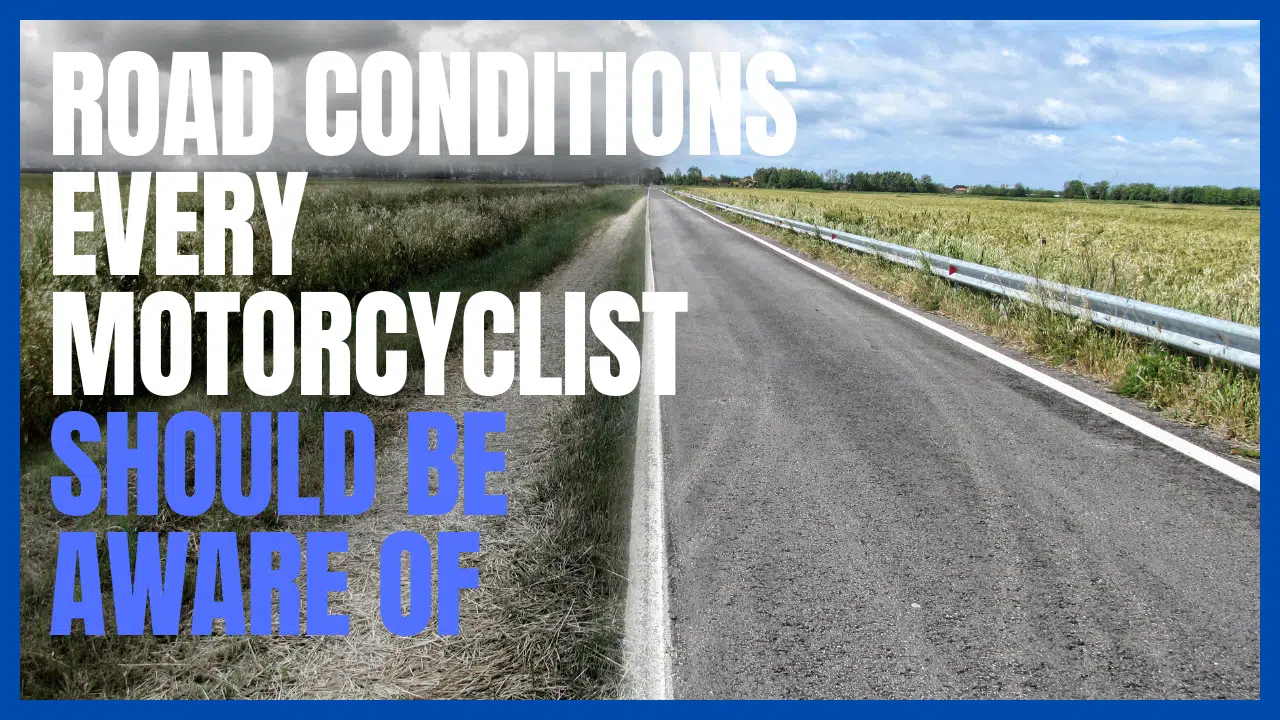
Unlike standard vehicles, motorcycles are heavily reliant on the condition of the road surface. Cracked asphalt, gravel, or loose debris can render seemingly benign stretches of road extraordinarily hazardous. The percentage of motorcycle accidents attributed to road conditions is substantial; hence, awareness of the asphalt’s texture, gradient, and any potential hazards is imperative. Observing the road ahead and adjusting speed according to its condition can conserve control and prevent accidents.
3. Inattentive Drivers
The unpredictable behavior of other drivers presents one of the largest hazards on the road. Motorcyclists are less visible than their four-wheeled counterparts, making them more susceptible to careless, distracted, or overly aggressive drivers. A driver engrossed in a smartphone may overlook a motorcycle, yielding devastating consequences. Defensive driving becomes the lifeline; maintaining a safe distance, staying aware of surrounding vehicles, and anticipating their moves can significantly lessen the risk of collisions. It’s essential to ride as if every vehicle on the road is oblivious to one’s presence.
4. Blind Spots
Motorcycles inhabit the awkward and often neglected blind spots of larger vehicles, posing a stealthy threat. Large trucks, buses, and even SUVs have significant areas around them out of sight for their drivers. A motorcycle, attempting to maneuver within these zones, can be caught off-guard if the larger vehicle suddenly changes lanes. It is prudent for motorcyclists to position themselves where they are visible to all drivers. Utilizing the mirror and checking shoulder blind spots becomes crucial to navigating these precarious situations.
5. Wildlife Encounters
For those who relish the thrill of the open road, the prospect of encountering wildlife can add a picturesque element to a ride. However, it can also conjure catastrophic risks. Animals tend to dart unpredictably across roads, and a collision can be disastrous. Riding in rural or wooded areas often heightens this risk. Observing caution signs, remaining vigilant, and reducing speed in wildlife-prone zones are effective measures to mitigate potential wildlife collisions. The anticipation of hidden critters on the road should always remain at the forefront of a motorcyclist’s mind.
6. Sudden Mechanical Failures
The heartbeat of every motorcycle is its engine, but like any machine, it is vulnerable to failure. Sudden breakdowns can lead to harrowing scenarios, especially when accomplishing high speeds. Regular maintenance checks, including tire health, brake functionality, and fluid levels, are paramount. A proactive approach to motorcycle care can prevent unforeseen malfunctions that threaten rider safety. Riders must also equip themselves with fundamental mechanical knowledge—being able to identify warning signs of potential issues can save lives.
7. Improper Gear and Protective Equipment
In the world of motorcycling, the adage “better safe than sorry” is exceedingly relevant. Many riders underestimate the importance of proper gear. A helmet, while an obvious necessity, is only the beginning. Protective jackets, gloves, pants, and boots are equally vital in shielding the body from abrasions and impacts in the event of a fall. The tailored fit of motorcycle-specific gear enhances comfort and, importantly, can improve rider safety. Investing in high-quality protective equipment isn’t merely a luxury—it’s an essential part of responsible riding.
8. Intersections and Turns
Intersections can be a battleground of chaos, where an unsuspecting motorcyclist may fall into the fray. Many accidents occur during turns, where visibility is bottlenecked and each driver’s intentions remain unclear. The risk escalates dramatically when an unsuspecting vehicle fails to yield or misjudges the speed of oncoming traffic. Engage in a practice of scanning intersections extensively before proceeding and always yield when uncertain. A slow yet attentive approach can unveil hidden threats lurking ahead.
Conclusion: Riding with a Cautious Mindset
The journey of a motorcyclist is often one filled with vivid experiences and vibrant landscapes. A shift in perspective regarding the hidden dangers that accompany this lifestyle can transform the very essence of the ride. Embracing the risks inherent on the road enables motorcyclists to approach each trip with informed caution—an action that not only protects themselves but enhances their overall experience. The road, while fraught with peril, can also be navigated with wisdom and prudence, allowing the essence of freedom to flourish harmoniously with safety.