Motorcycle enthusiasts understand that the art of riding is accompanied by an intricate symphony of engine sounds, vibrations, and dashboard warnings. Each note and flashing light serves as a crucial piece of information about the machine’s performance and well-being. In this article, we will decode the various auditory cues emanating from your motorcycle’s engine and decipher the meanings behind them. Understanding these sounds can lead not just to preserving your bike’s longevity but also to ensuring your safety on the road.
1. The Thrumming Idle
When your motorcycle idles, you may notice a low, throaty thrum. A healthy engine emits a steady, rhythmic pulse. If this thrum is ragged or uneven, it might indicate an issue. This inconsistency can point to a myriad of problems: from a clogged fuel filter affecting the combustion process to an irregular idle speed due to a malfunctioning idle air control valve. Ignoring these discrepancies may lead to more significant issues down the line.
2. High-Pitched Whines: Transmission Troubles?
A noticeable, high-pitched whine during acceleration often points towards transmission problems. This may originate from insufficient lubrication, worn bearings, or even gear engagement issues. If the sound intensifies when shifting gears, it’s prudent to consult a technician immediately. Early diagnosis can prevent catastrophic failures and expensive repairs, allowing you to hit the open road without the anxiety of an impending breakdown.
3. The Dreaded Knocking Noise
Nothing chills the blood of a motorcycle rider quite like a pronounced knocking sound emanating from the engine bay. This auditory cue often signifies serious internal issues, such as valve clearance misalignments or rod bearing wear. A knocking noise can also suggest that you’re running low on oil, which can lead to engine seizing—a costly and laborious dilemma. It’s crucial to address these sounds without delay, as prolonged neglect can yield irreparable damage.
4. Popping and Backfiring: Fuel and Timing Issues
If your motorcycle starts backfiring or produces popping sounds during deceleration, it can indicate fuel delivery or ignition timing issues. A lean fuel mixture or improperly adjusted ignition timing can lead to these irritating auditory disturbances. While the sounds may seem innocuous, they can affect performance and fuel efficiency. More alarmingly, backfires can cause flame to escape the exhaust, posing risks to both rider and machine.
5. Rattling: Loose Components
A rattling noise while riding can signal that loose components require immediate attention. This could include anything from misplaced fairings to loose bolts on the engine or frame. Notably, rattling can also manifest as a result of failed engine mounts or inadequate damping in your suspension system. Regular maintenance checks can help mitigate this risk, ensuring a smooth and safe ride.
6. Whirring or Grinding Sounds: Bearing Failures
An ominous whirring or grinding noise often foreshadows bearing failures. Whether in the engine, transmission, or wheel hubs, worn bearings create a harsh sound that should never be ignored. As they deteriorate, the friction generated can lead to further damage, affecting performance and safety. Vigilance is key; if you hear this sound, take it seriously and have your motorcycle thoroughly inspected.
7. Engine Overheating Signals
Motorcycles have warning indicators that signal overheating, often accompanied by elevated engine noise or a change in pitch. If your motorcycle begins to sound different—perhaps more strained or labored—it could be an indicator of severe overheating. A lack of coolant, a faulty thermostat, or even a blocked radiator can lead to this condition. Immediate action should be taken; overheating can cause catastrophic engine damage, making it crucial to pull over and investigate.
8. Indicator Lights: Decoding the Dashboard
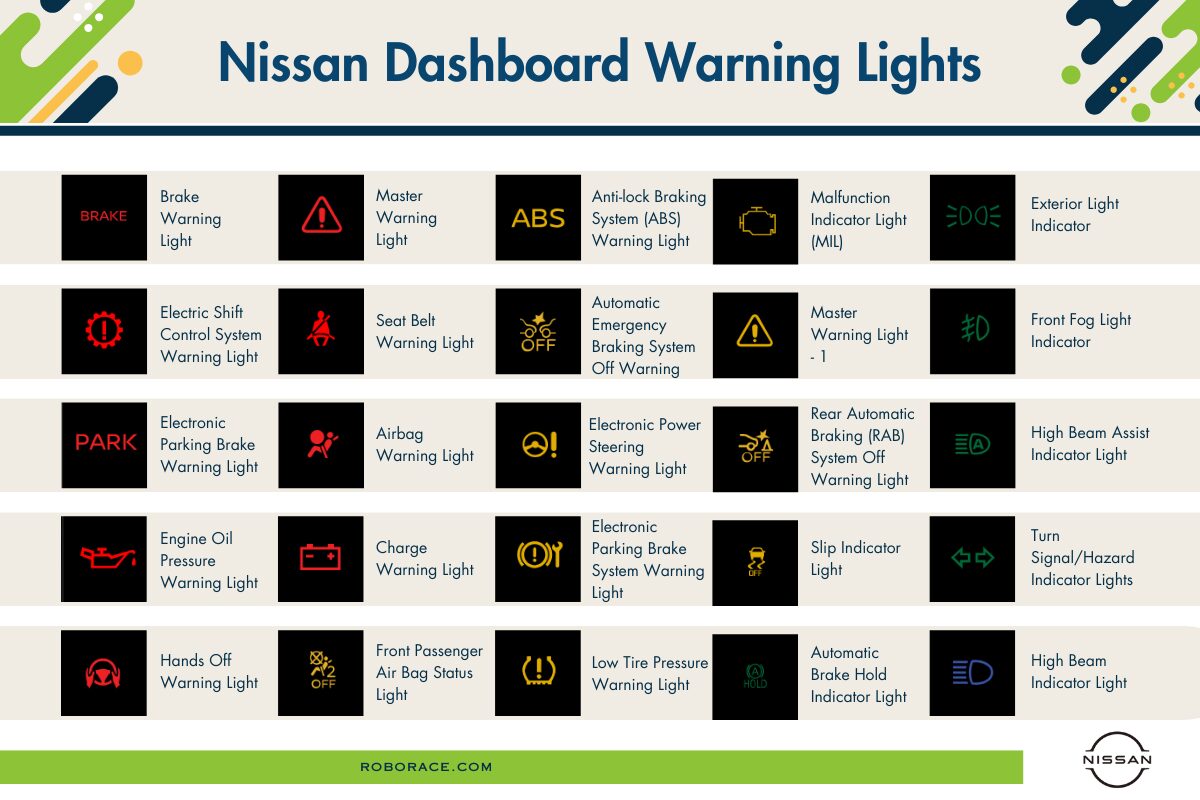
Beyond engine sounds, dashboard indicators play a pivotal role in communicating the health of your motorcycle. The “check engine” light, for instance, can alert you to a myriad of problems ranging from minor to serious. The oil pressure warning light is equally critical; low oil pressure can be catastrophic, leading to engine failure. Familiarity with these indicators equips riders with the knowledge to address potential issues before they escalate, as ignoring them could have grave consequences.
9. Exhaust Notes: Performance Indicators
The sound of your motorcycle’s exhaust can tell you much about its condition. A healthy bike generally produces a consistent and deep sound. If you notice excessive noise or an aberrant exhaust note, it may reflect issues such as an exhaust leak or a failing muffler. Additionally, modifications to the exhaust system can alter sound, thus impacting performance. Riders should be keenly aware of changes in exhaust tone, as they can provide early warnings of underlying problems.
10. The Role of Maintenance
Lastly, regular maintenance is your best ally in combating potential issues that these sounds might indicate. Routine oil changes, fluid checks, and inspections can help you keep your motorcycle in prime condition. Ignoring standard maintenance can result in deteriorating components and worsening engine sounds. Establishing a maintenance schedule not only prolongs your bike’s life but also enhances your riding experience, ensuring smooth and efficient operation.
Understanding the sounds your motorcycle makes can be a game-changer for both seasoned riders and novices alike. By familiarizing yourself with the potential implications of these noises, you can better protect your investment and enjoy a more predictable, enjoyable ride. Always listen closely and respond decisively to the symphony your bike presents.