Track day riding offers an exhilarating blend of speed, skill, and adventure, allowing riders to unleash their motorcycles in a controlled environment. Yet, to fully embrace this thrilling experience while ensuring safety, it’s vital to understand both the nuances of riding techniques and the essential precautions that keep you on the right track. In this guide, you’ll discover a wealth of tips to elevate your riding prowess while protecting your well-being on the circuit.
1. Preparation: The Pre-Track Ritual
Before riding on the track, meticulous preparation is crucial. Start with a comprehensive motorcycle inspection—check tire pressure, brake functionality, fluid levels, and chain tension. It’s an opportunity to ensure that your steed is in peak condition, ready to perform optimally under scrutiny. Furthermore, familiarize yourself with the specific rules and layout of the track; knowing the dimensions, braking points, and potential hazards will instill confidence as you navigate the course.
2. Gear Up: Safety First
Appropriate gear is non-negotiable. A high-quality full-face helmet, abrasion-resistant leathers, gloves, and boots will provide the necessary protection. Look for equipment with adequate ventilation to maintain comfort throughout the day. Additionally, consider investing in back protectors and knee sliders—these protective elements not only enhance safety but also improve riding mechanics.
3. Warm-Up Lap: Setting the Pace
Your initial laps should prioritize getting acclimated. A warm-up lap allows you to gauge your riding style and the bike’s responsiveness. Observing track conditions, such as grip levels and any potential debris, is imperative, and adjusting your riding rhythm will enhance your confidence for the remainder of the day. Use this time to refine your throttle control and braking technique without pushing the limits unnecessarily.
4. The Art of Cornering: Accentuating Technique
Cornering occupies a substantial portion of riding on the track, and mastering this skill can dramatically elevate your performance. Focus on the ‘look, lean, and throttle’ technique. First and foremost, always look where you want to go—this inherently directs your body and bike. Lean your bike into the corner, shifting your body weight towards the inside of the turn. Remember, smooth throttle application is key. Gradually roll on the throttle as you exit the corner. This will not only stabilize your bike but also ensure a power-rich exit, propelling you forward with confidence.
5. Line Selection: The Fastest Route
Understanding racing lines can be the difference between a stellar lap and a mediocre one. The optimal line is typically the smoothest path through the corners, often described as the ‘Apex.’ Approach the corner from the outside, clip the apex at the inside line, and then drift back to the outside on exit. Strive to minimize steering inputs and maintain a steady input on the controls; this fluidity maximizes speed and reduces the chances of losing grip.
6. Braking Techniques: Timing is Everything
Efficient braking is a cornerstone of track day riding. Approach your braking zones methodically: identify a reference point ahead of time and utilize both front and rear brakes judiciously. It’s imperative to brake in a straight line and progressively release pressure as you transition into the turn. Threshold braking—applying maximum brake pressure right before entering a corner—can be particularly effective, but requires practice and restraint to avoid skidding.
7. Situational Awareness: Ride with Intention
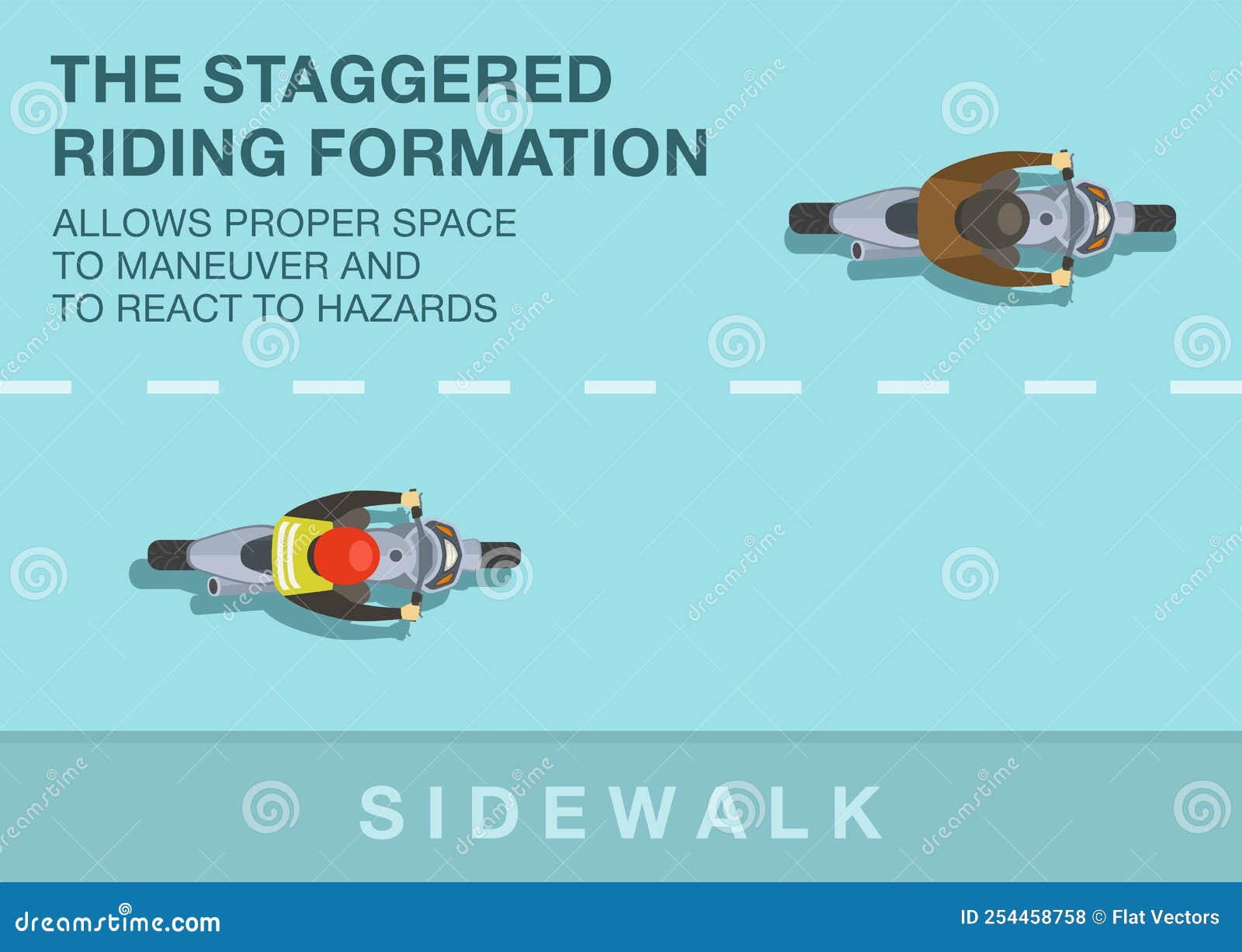
On the track, situational awareness can be the golden ticket to both speed and safety. Keep an eye on other riders without fixating on their movements; gauging their position allows you to anticipate potential hazards and react accordingly. Maintain a safe distance and adopt a proactive mindset. Remember, racing isn’t just about speed—it’s equally about strategy.
8. Communication is Key: Gestures and Signals
Effective communication with fellow riders can facilitate a smoother experience on the track. Familiarize yourself with hand signals to indicate intentions, such as slowing down or overtaking. A simple wave can significantly improve safety and coordination. Keep interactions respectful; after all, camaraderie is an inherent aspect of track riding.
9. Mental Game: Staying Focused
The psychological aspect of track riding encompasses both concentration and composure. Adopting a positive mindset and minimizing distractions will streamline your focus. Visualization techniques can also play a vital role: envisioning the perfect lap can prime your body to execute it more effectively. Regular breaks between sessions permit mental recuperation—a necessary aspect of maintaining peak performance.
10. Post-Ride Reflection: Learning from Experience
After each riding session, take time to reflect on your performance. Identify successful elements as well as areas for improvement. Utilize tools such as video analysis or data telemetry to capture and assess your height performance. This critical review fosters growth and informs your strategy for subsequent track days, ensuring continual advancement as a rider.
In conclusion, track day riding is an exhilarating yet demanding endeavor that requires a blend of knowledge, practice, and respect for safety. By adhering to these tips, you not only enhance your riding skills but also ensure that each lap is an exhilarating reminder of the joy of motorcycling. Remember, the essence of every thrilling ride is found not just in speed, but in the mastery of technique and the commitment to safety.