Transporting a motorcycle can be an exhilarating endeavor that requires meticulous planning and execution to ensure safety and protect your investment. Loading your bike correctly is not merely about brute force; it hinges on technique and an understanding of the equipment at your disposal. This guide will navigate through the intricacies of how to load your motorcycle safely, delving into transport and tie-down tips that promise a seamless experience.
1. Choosing the Right Transport Method
Before embarking on your journey, deciding on the appropriate transport method is paramount. Whether you’re choosing a trailer or a truck bed, consider these options:
- Enclosed Trailers: Best for long distances and adverse weather, enclosed trailers shield your motorcycle from dirt, debris, and the elements.
- Open Trailers: These offer ease of loading and unloading and are generally more accessible, though they expose your bike to the elements.
- Pickup Trucks: If you own a pickup, this option is versatile. Using a truck not only saves fuel but also offers a quick loading solution.
2. Preparing Your Motorcycle
Before you even think about loading, ensure your motorcycle is prepared. Follow these essential steps:
- Maintenance Check: Inspect tire pressure, oil levels, and battery condition; a well-maintained bike is easier to load and safer to transport.
- Clean Your Motorcycle: Remove any dirt or debris, particularly from the tires. This prevents grime from transferring onto your transport vehicle and engages better grip during loading.
- Inspect for Damage: Look for any existing damage that could worsen during transport; addressing this beforehand saves further complications.
3. Loading Ramp Considerations
The loading ramp serves as the crucial bridge between your motorcycle and its transport vehicle. Selecting the correct ramp can make all the difference. Here are critical tips:
- Ideal Length and Width: Opt for a ramp that is long enough to reduce the steepness, which eases the loading process. A width of at least 30 inches ensures stability.
- Weight Rating: Always check the ramp’s weight capacity before attempting to load your motorcycle. Exceeding this could lead to catastrophic failures.
- Surface Material: Consider ramps with rubberized surfaces or grip-enhancing features to prevent slippage, especially in wet or cold conditions.
4. The Loading Process
With preparation and equipment in hand, it’s time to load your motorcycle. Here’s an effective loading protocol:
- Positioning the Ramp: Securely place the ramp against the trailer or truck bed. Make certain it is stable, using wheel chocks or additional supports if necessary.
- Use a Spotter: Have an extra set of hands to guide you. A spotter can help ensure the ramp remains in place and direct your approach.
- Balance and Control: When riding up the ramp, maintain smooth throttle control and body positioning. Keep your weight centered to counterbalance the bike.
- Walk the Motorcycle: For those less experienced, pushing the motorcycle up the ramp on foot can reduce the risk of accidents, particularly if the incline is steep.
5. Securing Your Motorcycle
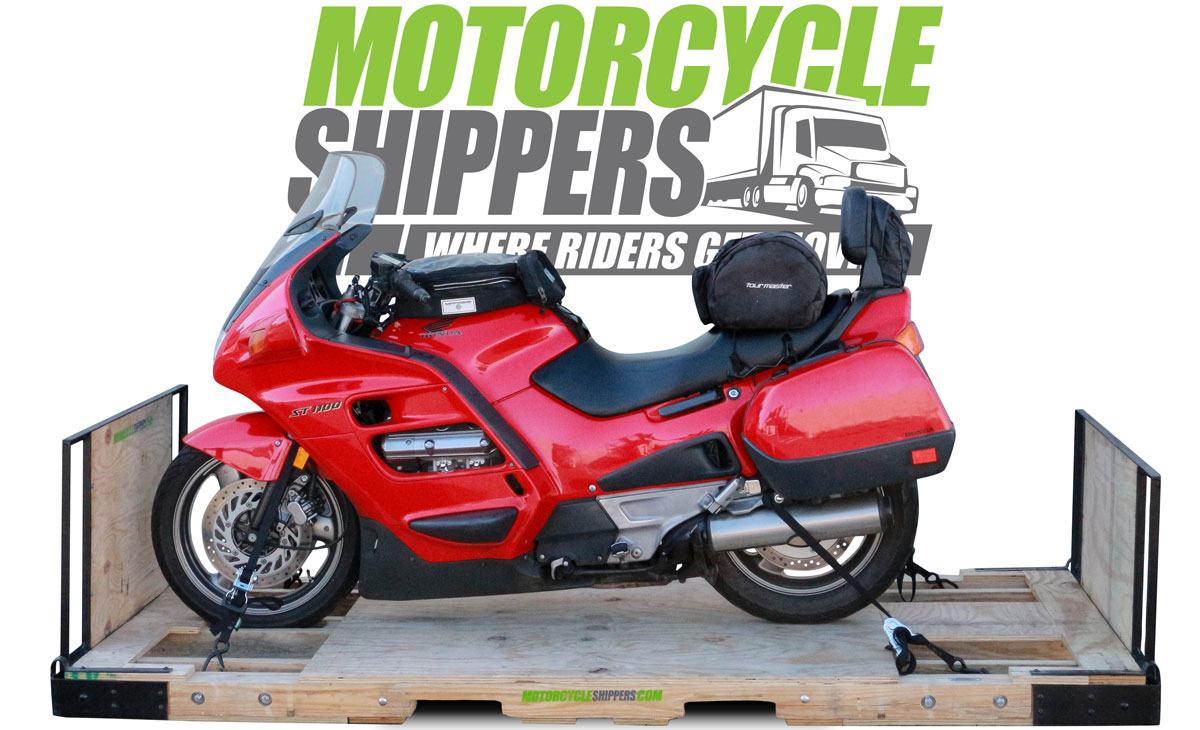
Once the motorcycle is safely loaded, securing it is equally important. Proper tie-down techniques are essential for preventing movement during transport:
- Choosing the Right Straps: Opt for high-quality tie-down straps—ratcheting straps generally provide more security than standard cam-buckle straps.
- Anchor Points: Identify secure anchor points on your motorcycle, such as the frame or designated tie-down hooks. Avoid using parts like the handlebars, which can bend or break under tension.
- Diagonal Tie-Down Configuration: Use a crisscross method for a sturdy hold. This ensures diagonal tension, preventing lateral sway and securing the bike firmly in place.
6. Final Inspection
Before you hit the open road, conduct a final inspection:
- Check Tension: Ensure all straps are taut yet not overly tight, which can cause damage.
- Inspect for Movement: Gently push the motorcycle to ensure security. A solid feel will confirm that your loading and tying down were successful.
- Look for Loose Items: Remove any extraneous gear or loose items that could shift during transport, posing risks to both the motorcycle and your vehicle.
7. Unloading Your Motorcycle Safely
Upon arrival, unloading is as critical as loading. Adhere to these steps for a safe dismount:
- Use a Spotter: Just as with loading, having someone assist you can provide extra eyes and hands.
- Exercise Caution: Slowly back down the ramp, keeping your weight balanced to prevent tipping.
- Ramp Stability: Always ensure the ramp is securely positioned before dismounting.
Transporting your motorcycle doesn’t have to be a daunting task. By following these detailed steps and implementing proper techniques, you can ensure a seamless loading experience. Safe travels and happy riding await you!