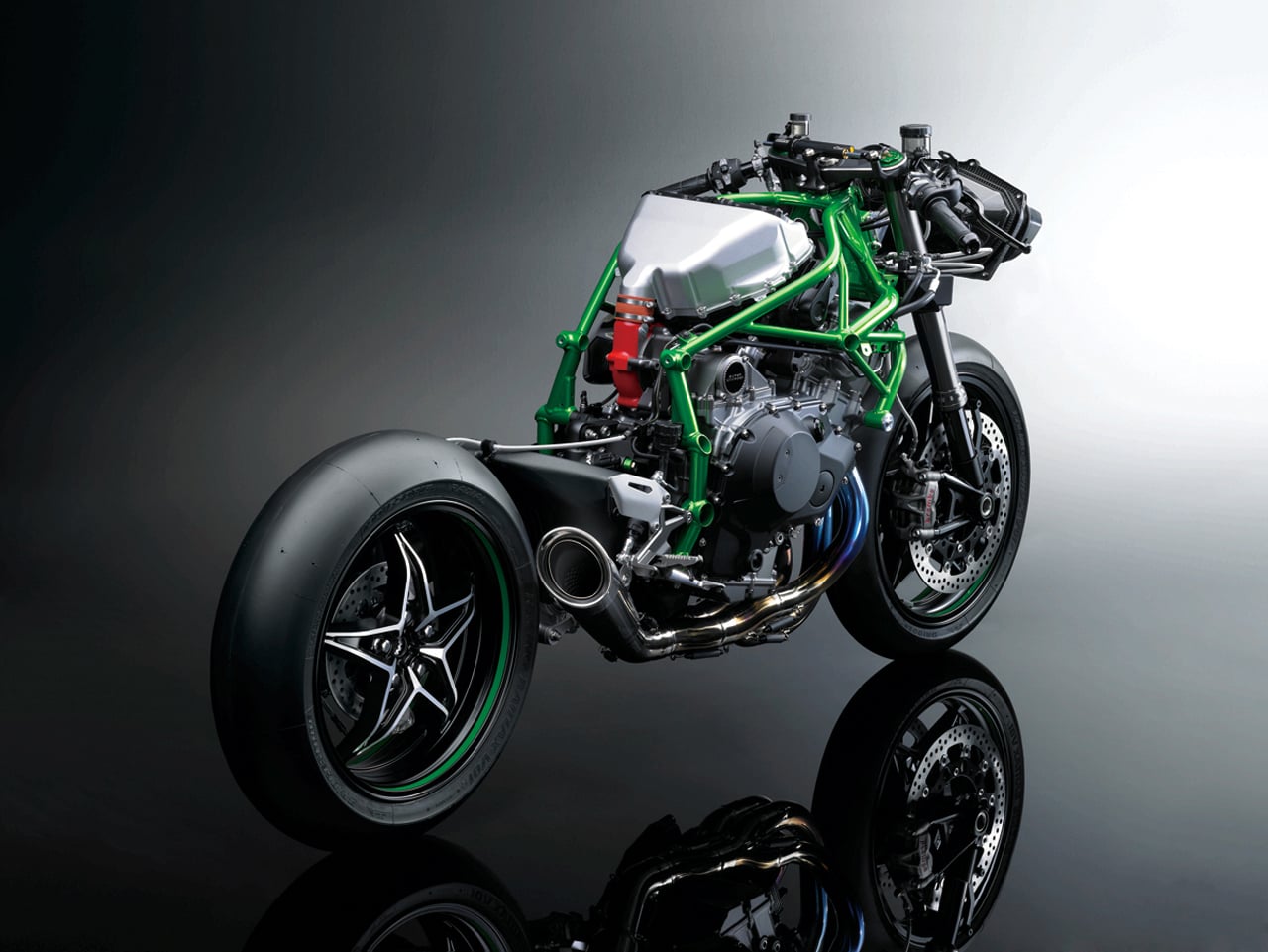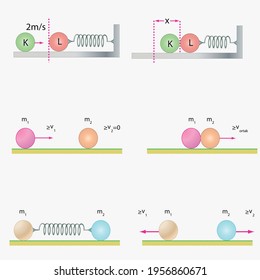
Motorcycles are more than just two-wheeled machines; they are a symphony of physics in motion, a delicate dance of forces that come together to create exhilarating experiences on the open road. Understanding the interplay of motion and physics transforms an ordinary ride into a deeper appreciation of the sheer brilliance of engineering. This intricate relationship reveals how momentum and force shape every twist and turn, demonstrating the potential for thrill and danger in equal measure.
At the heart of every motorcycle’s performance is Newton’s second law of motion, which states that force equals mass times acceleration (F=ma). Much like a maestro guiding an orchestra, the rider manipulates these variables to orchestrate the symphony of acceleration. Lean into the throttle, and you feel the exuberant rush as horsepower and torque drive the machine forward. This marvelous equation encapsulates the essence of speed, with the roar of the engine resonating as a powerful crescendo.
But speed is only part of the narrative. The physics of motorcycles is equally a tale of balance and gravitational forces. A well-designed motorcycle is a marvel of equilibrium, with center of gravity acting as the fulcrum of stability. When you lean into a turn, you’re not merely changing direction; you’re engaging in a finely tuned balancing act against the relentless pull of gravity. Your body becomes an extension of the motorcycle, shifting weight like a tightrope walker traversing the highest of wires. This visceral connection between rider and machine makes every turn feel like a ballet, a pirouette on pavement.
As you navigate highways and byways, consider the frictional forces at play. Tires grip the road like a lover’s grasp, and understanding the physics behind this connection reveals a world of potential risk and reward. The coefficient of friction dictates how the tires adhere to the asphalt. Blazing down a winding road, a rider must remain vigilant; a slight miscalculation in speed or angle can lead to a loss of traction, resulting in a precarious dance with catastrophe. Riders learn quickly that maintaining the right speed is akin to that of a tightrope walker: one misstep, and the consequence can be disastrous.
Dynamic stability comes into play not only in turns but also while accelerating and decelerating. Imagine a motorcycle as a pendulum swinging back and forth, relying on gyroscopic forces to remain upright. The rotation of the wheels creates angular momentum, which helps stabilize the bike. A gentle touch on the throttle shifts the bike forward, the handlebars respond reflexively, and in that moment, riders become one with the machine, moving fluidly through space as a well-tuned unit.
However, the thrill of motorcycling extends beyond the mechanics of motion. It encompasses the romantic notion of freedom that accompanies the experience. The open road, with its rolling hills and endless horizons, is a canvas painted with the brushstrokes of speed and adventure. As riders embrace the rush of the wind and the roar of the engine, they transcend the limitations of ordinary travel. In this way, motorcycles are not merely vehicles; they are vessels of liberation, carving out pathways of exploration and discovery.
The unique engineering of motorcycles invites a playful exploration of torque and power delivery. Torque, the twisting force that enables a vehicle to move, grants motorcycles their signature quickness and agility. Just as an artist wields a brush, a rider applies throttle, coaxing the motorcycle into exhilarating maneuvers. Each rev of the engine becomes a heartbeat, quickening with excitement as the rider urges the bike to dance with abandon on the asphalt stage.
As any seasoned motorcyclist will attest, understanding braking physics is equally crucial for safety and finesse. When the brakes are engaged, the dynamics shift instantly; weight transfers forward, altering the center of gravity and changing the handling characteristics of the bike. It is a mechanical tango, requiring precision and reflexive anticipation to navigate the fine line between stopping force and stability. Avoiding locking the wheels is akin to performing a delicate ritual—Inelegance can lead to a precarious predicament. Learning to integrate these elements allows for a dance of grace and control among the throttle of excitement and the brakes of caution.
The role of aerodynamics in motorcycling cannot be undervalued. Riders slice through the air, battling the relentless force of drag, which seeks to hinder progress. Much like a falcon diving toward prey, a streamlined motorcycle seeks to minimize resistance, allowing the rider to experience the intoxicating sensation of speed unhindered. Engineers meticulously design fairings and body shapes, creating sleek silhouettes that exemplify both artistry and functionality. Riders can feel the difference as they become intimate with each subtle nuance of their machines, from the thunderous roar at high speeds to the gentle hum at cruising pace.
In the grand tapestry of motorcycling, the physics of motion transforms each ride into an intricate dance, a balance of forces harmonizing to create exhilarating experiences. Riders merge their instincts with the mechanical wizardry beneath them, orchestrating a symphony of acceleration, stability, and control. This relationship with physics propels not just the motorcycle, but the spirit of adventure—a call to embrace the unknown with every twist of the throttle.
The blend of motion and motorcycles is a celebration of engineering, creativity, and the raw human desire for freedom. It’s a testament to the exhilarating bond forged between rider and machine, where each journey unfolds as a new chapter in an ongoing saga. The road may be endlessly winding, but the thrilling embrace of physics makes every ride a captivating narrative of motion, momentum, and mastery.