The legacy of Neil Peart reverberates not only within the corridors of rock music but also on the open roads of adventure, a duality exemplified by his inimitable drumming and his ardent passion for fast motorcycles. As the charismatic drummer of Rush, Peart was not simply a man behind the kit; he was a poetic force who crafted rhythm with precision and communicated stories through his beats. This article explores Peart’s life—an exploration of his drumming prowess, his literary flair, and his undeniable love for speed on two wheels, each element intricately woven into the fabric of who he was.
The Early Years: From Modest Beginnings to Musical Aspirations
Born in 1952 in Hagersville, Ontario, Neil Ellwood Peart was enmeshed in the rich tapestry of Canadian culture. His formative years were steeped in family experiences, music, and a thirst for knowledge. In high school, he discovered the thrill of rhythm, taking a keen interest in drumming while also delving into literature, which would later influence his songwriting. Not merely confined to one genre, Peart embraced an eclectic array of musical styles, drawing inspiration from Progressive Rock giants. He would eventually coalesce these influences into a distinctive drumming style that juxtaposed technicality with emotive depth.
The Rush Phenomenon: Drumming with Distinction
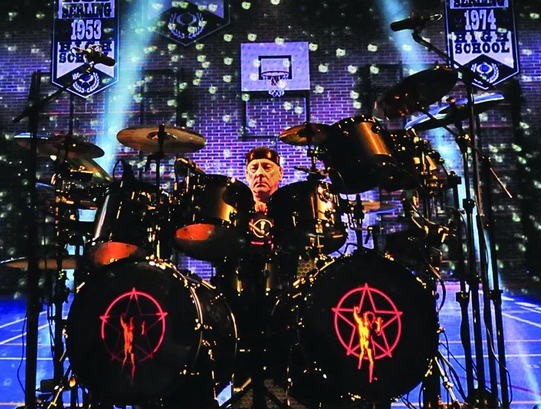
Joining Rush in 1974, Peart forged an impeccable partnership with bassist Geddy Lee and guitarist Alex Lifeson. His arrival marked a watershed moment, paving the way for an era dominated by intricate compositions and lyrical profundity. Peart’s drumming transcended mere percussion; it became a nuanced dialogue interlaced with the band’s elaborate narratives.
While many drummers relied on brute force, Peart was a maestro of finesse, incorporating polyrhythms and syncopation that challenged the very paradigms of rock drumming. His extensive use of toms and cymbals created an auditory tapestry, painting a vivid landscape for listeners. The legendary “YYZ” indeed encapsulates this ethos—a sonic odyssey replete with intricate time signatures and polyrhythmic layers, culminating in a rhapsodic experience that is nothing short of electrifying.
Craftsmanship Beyond the Kit: Lyrics and Literature
In addition to his instrumental virtuosity, Peart’s contributions as a lyricist set him apart. His words portrayed a philosophical outlook on life, often laced with introspective queries that resonated with millions. Songs such as “Subdivisions” and “The Trees” illustrate a keen awareness of societal constructs, exploring themes of conformity and individuality. His literary prowess was not just evident in his lyrics; Peart authored several travelogues, chronicling his profound journeys on the road and across continents. These narratives provide a window into his soul, where the love for discovery aligns seamlessly with his musings on existence.
Two Wheels, Infinite Freedom: The Motorcycle Enthusiast
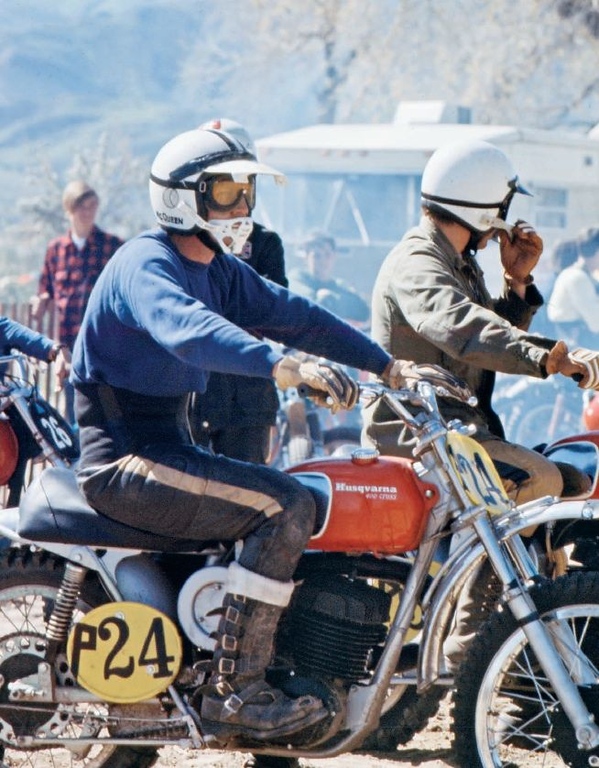
Peart’s affinity for motorcycles served as both an exhilarating escape and a meditative sanctuary. His first motorcycle was a modest Honda, yet it ignited a fervor that would evolve into a lifelong passion. Riding became an extension of his identity, a visceral experience that paralleled his artistic expression. This was not merely a hobby; it was a way to commune with nature and embrace the whims of the open road.
His journeys across North America were more than just escapades; they were quests imbued with purpose. In 2004, he undertook a remarkable motorcycle trip that spanned over 55,000 miles, chronicling his experiences in “Ghost Rider: Travels on the Healing Road.” This work details the confluence of grief and liberation following the loss of his daughter and wife, a testament to his resilience and unwavering spirit.
Engineered for Speed: The Art of Riding
Peart’s choice in motorcycles significantly reflected his character; he gravitated towards powerful machines such as the BMW K1200GT, lauded for its fusion of speed and technology. He was not just a rider, but an aficionado who relished understanding the underlying engineering. The thrill of acceleration, the sharpness of handling—all aspects that invigorated his artistry on stage due to the sense of freedom and mobility they instilled.
While he experienced the perils of riding, including a life-altering accident in 2015, Peart’s spirit remained indomitable. The subsequent recovery process was emblematic of his relentless pursuit of mastery, not only in drumming but life in general.
A Legacy Intertwined with Life and Loss
Neil Peart passed away in January 2020, leaving a chasm in the hearts of fans and musicians alike. His battle with brain cancer was kept private, a reflection of his deeply introspective nature. Despite the sorrowful end to his journey, Peart’s legacy continues to resonate, a prism through which fans celebrate the intersection of music, literature, and motorcycling. His influence can be seen and felt in drummers globally, cultivating a sense of aspiration and connection.
Conclusion: The Eternal Ride
In remembering Neil Peart, we don’t merely reflect on a gifted drummer; we honor a man whose life was a harmonic convergence of musical brilliance, literary prowess, and undying love for motorcycles. His spirit embodies the notion that the journey is as vital as the destination, whether it’s through the layered rhythms of a drumbeat or the windswept highways of life. For those who have pedaled alongside him in spirit, Peart’s ethos endures—an invitation to live fully, ride fearlessly, and create unabashedly.