The Kawasaki Ninja series has mesmerized riders since its inception, embodying a robust ethos of speed, power, and performance. As the motorcycle landscape evolves, discerning consumers often grapple with choosing the right model within this esteemed family. In this comprehensive buyer’s guide, we will delve into the intricacies of the Kawasaki Ninja 300, Ninja 650, and Ninja 1000, elucidating their distinct characteristics, capabilities, and suitability for varying rider preferences.
1. Overview of the Kawasaki Ninja Legacy
Before examining the specifics of each model, it is essential to appreciate the broader context of the Ninja lineage. Emerging as a benchmark for sportbikes, the Ninja series has transcended mere transportation, becoming a symbol of aspiration for many enthusiasts. The allure lies not just in the machines themselves, but in the sense of freedom they represent — a gateway to exhilarating journeys and the camaraderie of motorcycle culture.
2. Ninja 300: The Entry-Level Marvel
The Kawasaki Ninja 300 is often heralded as the quintessential entry-level sportbike. Sporting a 296cc parallel-twin engine, the Ninja 300 delivers an optimal balance of agility and power, making it particularly attractive to novice riders. The refined engineering results in a maximum output of approximately 39 horsepower, propelling riders confidently through city streets and winding roads.
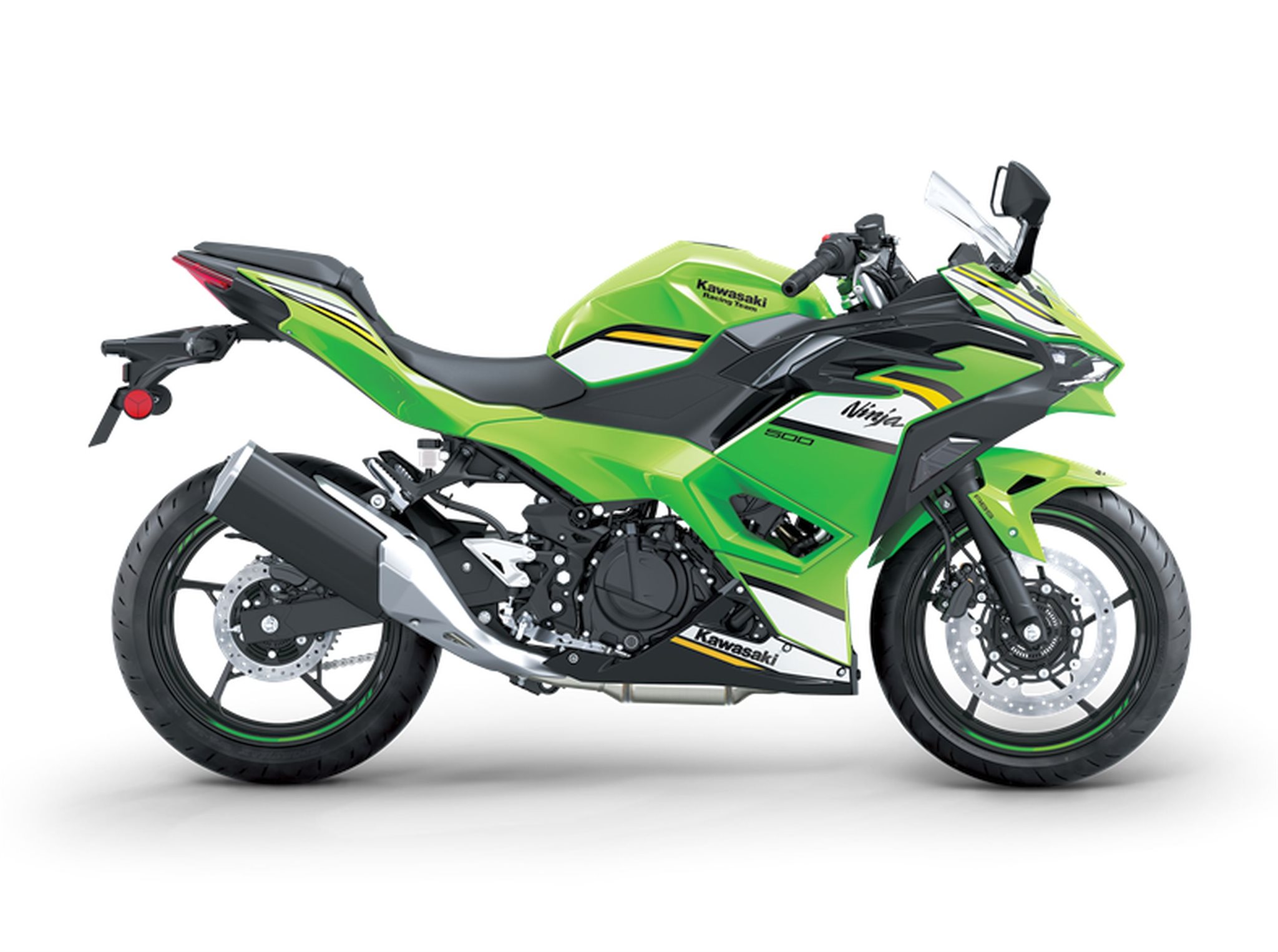
Equipped with a lightweight chassis, the Ninja 300 boasts an agility that is remarkable. Its low seat height and ergonomic design facilitate ease of handling, allowing riders to focus on honing their skills. The full fairing, evocative of its larger siblings, provides a sporty aesthetic that belies its modest displacement.
For those embarking on their motorcycling journey, the Ninja 300 serves as a gateway to a world of adventure. Its exceptional fuel efficiency and user-friendly dynamics underpin its role as an ideal starter motorcycle. Moreover, the aftermarket accessory availability is expansive, allowing riders to customize their machines as their skills and preferences evolve.
3. Ninja 650: The Versatile Performer
Transitioning to the Ninja 650 reveals a shift in both displacement and purpose. The heart of this model is a robust 649cc parallel-twin engine, generating around 67 horsepower, allowing riders to experience a newfound torque curve that enriches the riding experience. The Ninja 650 retains a sporty character while expanding its versatility, making it suitable for daily commutes or spirited weekend rides.
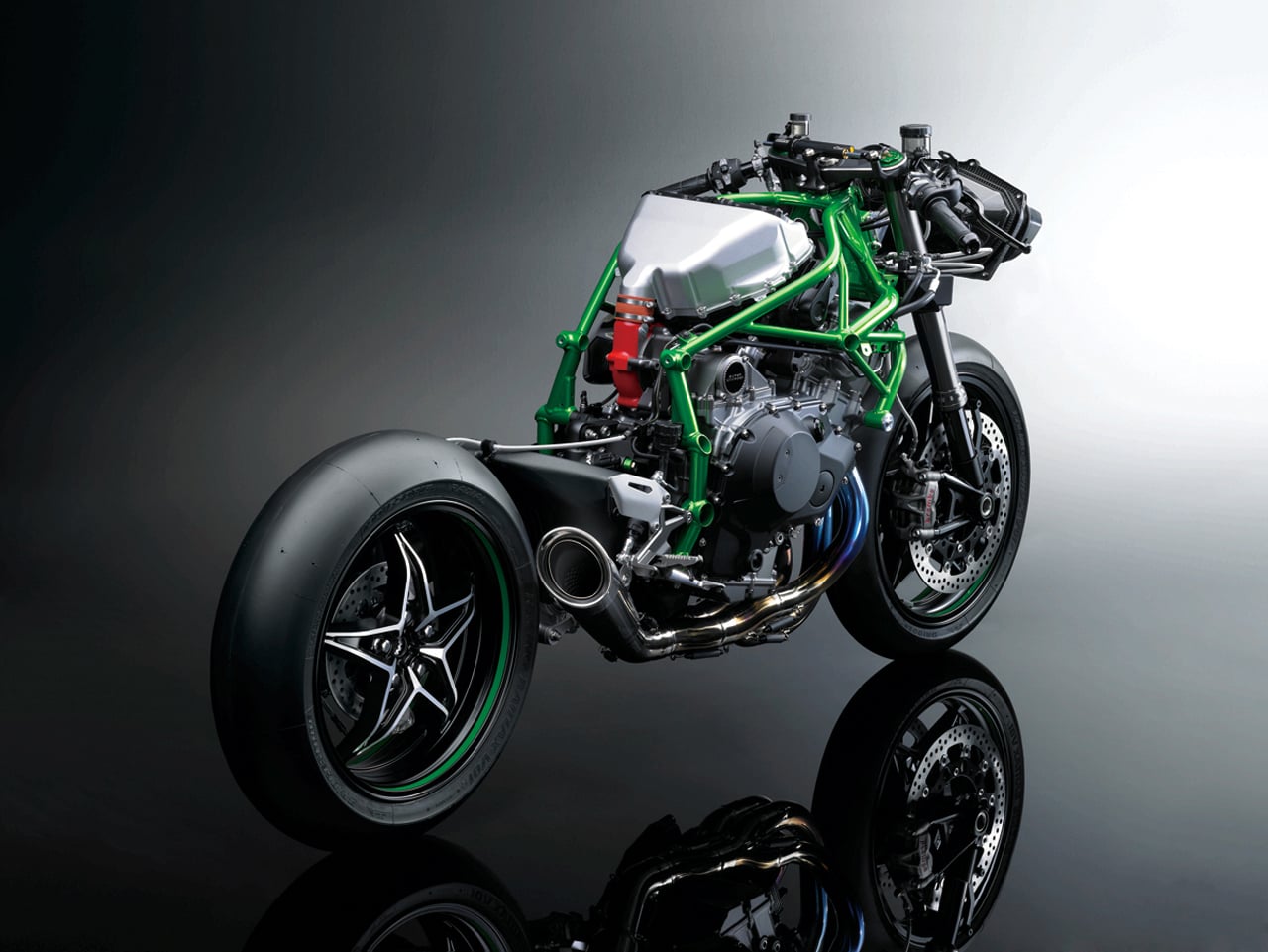
One of the standout features of the Ninja 650 is its trellis frame, which enhances both stability and handling. Riders will appreciate the balance between comfort and sportiness, an aspect that is particularly relevant for longer journeys. The adjustable windscreen and comfortable seating position further enrich the riding experience, enabling an adventurous spirit without compromising on convenience.
The Ninja 650 is also replete with modern conveniences, including a digital display that offers clear visibility of vital statistics. Its superior braking system, featuring ABS as an option, ensures confidence when navigating various terrains. With the ability to straddle both the novice and intermediate markets, the Ninja 650 encapsulates a broader spectrum of riding potential.
4. Ninja 1000: The Touring Sportsbike
As we ascend into the realm of the Kawasaki Ninja 1000, the narrative shifts towards a more aggressive and refined experience. This model is characterized by its formidable 1,043cc inline four-cylinder engine, generating an impressive 142 horsepower. Riders seeking spirited performance combined with distance capabilities will find the Ninja 1000 to be a formidable companion.
The Ninja 1000 enhances the touring experience through a blend of comfort and cutting-edge technology. Its upright riding position, complemented by a comfortable seat and adjustable windscreen, caters to long-distance riders, mitigating fatigue during extended excursions. Furthermore, the inclusion of advanced electronics — including traction control and ride modes — allows customization of the riding experience based on individual preferences and environmental conditions.
Incorporating features such as saddlebags and a spacious fuel tank, the Ninja 1000 seamlessly transitions from daily commuting to weekend jaunts, making it an all-purpose machine. The balance between sportiness and practicality sets it apart from its siblings, carving a niche within the sport-touring category and appealing to riders who desire both performance and comfort.
5. Comparative Analysis: Choosing Your Ninja
When evaluating the three models, a few critical considerations emerge. The Ninja 300 is the epitome of the entry-level experience, perfect for novice riders or those desiring a lightweight motorcycle with spirited characteristics. In contrast, the Ninja 650 occupies a middle ground, presenting a harmonious balance of power and versatility suitable for a wider array of riding scenarios.
The Ninja 1000, however, targets a different segment altogether — it is an embodiment of performance paired with touring capabilities. Riders gravitating toward this model seek more horsepower and advanced features, resulting in a dynamic that transcends casual riding into thrilling adventures.
6. Final Thoughts
The Kawasaki Ninja family is a testament to the balance between power, performance, and rider experience. Whether one chooses the nimble Ninja 300, the versatile Ninja 650, or the robust Ninja 1000, each model offers a unique interpretation of sport riding. Ultimately, the decision rests on the rider’s aspirations and experiences — a reflection of both their journey and the exhilarating world of motorcycling that awaits.