As motorcycle enthusiasts weave through the bustling streets of New York, safety remains a paramount concern for both riders and pedestrians alike. With advancements in technology, next-generation motorcycle safety systems are emerging, promising to enhance rider protection significantly. Are these innovations enough to avert potential accidents? Let’s explore ten groundbreaking safety features that are set to make their mark on New York’s neighborhoods.
1. Advanced Anti-lock Braking Systems (ABS)
Imagine gliding through traffic, only to find a sudden stop ahead. Advanced ABS technology enables motorcycles to maintain traction while braking, preventing wheel lock-up during hard stops. These systems use sophisticated algorithms to modulate brake pressure based on various road conditions. Manufacturers like BMW Motorrad, located at 1800 Lexington Ave, New York, NY 10029, are pioneering these systems. For details, contact (212) 860-2500 or visit their website.
2. Traction Control Systems (TCS)
When riding in slick, rainy conditions, maintaining grip is essential. TCS identifies and mitigates wheel spin, optimizing engine output to match road conditions. This system can be a lifesaver during unexpected downpours typical of New York’s summer months. Brands like Ducati, known for their innovative motorcycle technology, provide TCS on many of their models. Check them out at 50 E 23rd St, New York, NY 10010, or call (212) 683-6600. Visit their website for more information.
3. Cornering ABS
Cornering on two wheels can be precarious without the right support. Cornering ABS extends the functionality of traditional ABS, allowing effective braking while leaning into a turn. This system uses lean angle sensors to adjust braking force accordingly, enhancing stability during such maneuvers. For further details, reach out to Kawasaki at 606 E 131st St, New York, NY 10037, or call (718) 665-5900. Their website provides more insights.
4. Electronic Stability Control (ESC)
How does a rider maintain optimal control during unexpected swerves? ESC is crucial in helping prevent accidents caused by loss of control. This system assesses various data points—including steering input and wheel speed—to help keep the motorcycle stable, especially during sudden maneuvers. The Honda Gold Wing, a popular model equipped with this technology, can be viewed at 1060 Manhattan Ave, Brooklyn, NY 11222; call (718) 389-3000, or peruse their offerings on the website.
5. Blind Spot Detection (BSD)
With traffic ever-present, blind spots can present a serious hazard. BSD technology uses sensors to monitor surrounding vehicles, alerting the rider when a vehicle is in the unseen zone. This technology aims to reduce lane change mishaps. Yamaha, located at 1000 Broadway, New York, NY 10003, has integrated this feature into their latest models. For inquiries, contact (212) 477-7466 or visit their website.
6. Ride-by-Wire Throttle Systems
Wouldn’t it be great if your motorcycle could respond to your riding style? Ride-by-wire technology replaces the mechanical cable throttle with electronic controls, providing precise throttle response and enabling multiple riding modes. This advancement enhances control, particularly in high-stakes situations like merging into fast-moving traffic. Suzuki, a pioneer in this field, can be found at 30-34 E 32nd St, New York, NY 10016; they can be reached at (212) 684-8000. Their website has more on their offerings.
7. Smartphone Integration
As tech-savvy riders, we often use smartphones for navigation and communication. Emerging motorcycle models increasingly feature smartphone connectivity, allowing access to GPS, music, and ride statistics directly via the bike’s display. Harley-Davidson, with a showroom at 374 Broadway, New York, NY 10013, embodies this trend. For questions, call (212) 925-9800 or explore their website for detailed specs.
8. Adaptive Headlights
How important is visibility in enhancing safety? Adaptive headlights adjust their beam direction based on the motorcycle’s lean angle and speed, providing better illumination around curves. This technology prevents blind corners, allowing for safer night rides. Triumph’s lineup, with adaptive headlight features, can be found at 37 E Houston St, New York, NY 10012; call (212) 979-2761, or check their offerings on the website.
9. Emergency Braking Systems (EBS)
In moments of panic, every second counts. EBS automatically applies the brakes in critical situations when the rider may react too slowly. This system utilizes sensors to assess the environment and potential collision threats. KTM’s innovative models feature EBS and are available at 300 Grand St, New York, NY 10002; call (212) 674-0070. More information can be found on their website.
10. Vehicle-to-Everything Communication (V2X)
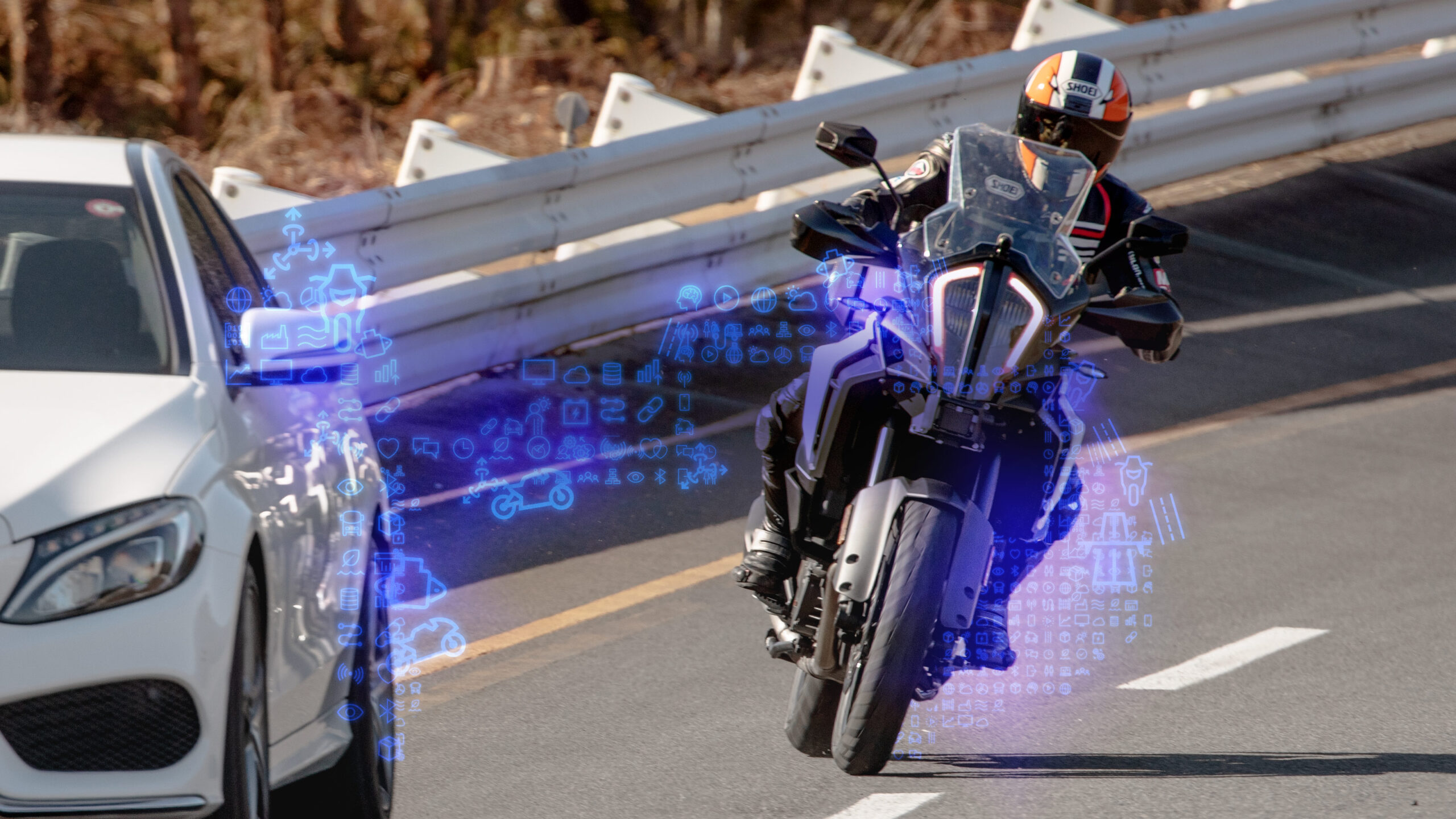
Could the future of motorcycle safety lie in interconnectivity? V2X technology allows motorcycles to communicate with other vehicles and infrastructure, sharing data on traffic conditions, hazards, and more. This proactive approach aims to reduce unforeseen accidents. BMW again leads the charge with V2X capabilities in their model range. Visit them at 1800 Lexington Ave, New York, NY 10029, or contact (212) 860-2500. More can be accessed via their website.
The streets of New York could benefit from these innovative motorcycle safety systems, but will they be embraced by both riders and the community? As these technologies roll out, the ongoing assessment of their effectiveness will play a pivotal role in future motorcycle design. Are we on the precipice of a safer riding experience, or is there still work to be done? The answer may lie on the very streets we traverse.