The late 1970s marked a significant era in the evolution of classic motorcycles, and among the most celebrated models of this period were the Yamaha XS650 and XS750. Produced between 1978 and 1979, these motorcycles epitomized the ingenuity and mechanical prowess that Yamaha brought to the market. Both bikes offered a distinct blend of engineering, performance, and design that attracted a fervent following of enthusiasts. Delving into each model reveals fascinating contrasts and similarities, enriching the understanding of their respective places in motorcycling history.
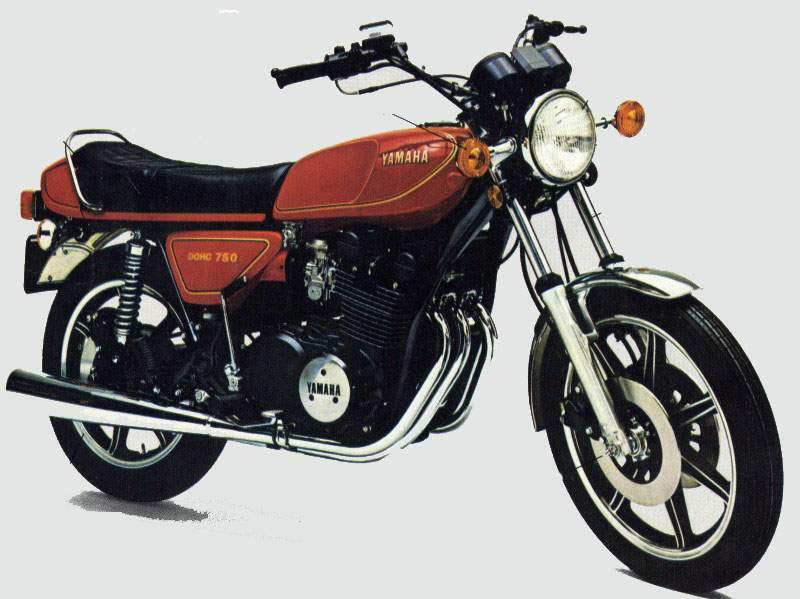
At first glance, the Yamaha XS650 and XS750 might appear similar due to their shared brand heritage and era, but a closer examination uncovers a variety of differences, particularly in engine configuration, ride dynamics, and overall character. The XS650, often hailed as a classic parallel-twin, boasts a 654cc SOHC (single overhead camshaft) twin-cylinder engine. Its robust, air-cooled heart provided ample torque and a characterful exhaust note that endeared it to riders who favored reliability paired with spirited performance. Contrastingly, the XS750 featured a more intricate 750cc inline-triple engine, incorporating one of Yamaha’s pioneering efforts to meld smoothness with power in a mid-sized motorcycle. This three-cylinder design infused the bike with a unique powerband, offering a smoother delivery and a distinctive growl that set it apart from twin-cylinder contemporaries.
Beyond the mechanics, the aesthetic and functional elements of the XS650 and XS750 differed in ways that influenced rider perception and preference. The XS650 retained a classic, straightforward design ethos, with a teardrop fuel tank, straightforward lines, and minimalistic chrome embellishments. This created a timeless appeal reminiscent of traditional British motorcycles, making it a popular choice for riders who appreciated nostalgia meshed with dependable machinery. The XS750, on the other hand, presented a somewhat more modern visage. It incorporated a more substantial frame to accommodate the wider triple engine, and featured subtle styling cues such as dual front disc brakes (a relatively advanced feature for the time) and a larger fuel capacity. These enhancements lent the XS750 a more contemporary edge, signaling Yamaha’s intent to compete aggressively with other high-performance motorcycles of the era.
The realm of performance further distinguishes the two models. The XS650’s 50+ horsepower output, while not record-breaking, was sufficient to provide an engaging ride that balanced everyday usability with spirited weekend excursions. Its power delivery was linear and predictable, catering to riders seeking a bike that was simultaneously docile and exciting. The three-cylinder XS750 ramped output northeast of 70 horsepower, delivering a higher-revving experience and greater top-end performance. This made the XS750 appealing to those seeking spirited acceleration and a motorcycle capable of holding its own on fast, twisty roads. Additionally, the XS750’s enhanced braking system and chassis design afforded improved handling and stopping power, attributes that underscored its sportier ambitions.
For enthusiasts delving into restoration or maintenance, the XS650’s technical simplicity is a considerable advantage. Its enduring popularity ensures abundant availability of aftermarket parts, and its air-cooled twin layout makes for straightforward servicing. The ignition system and carburetor setup, while classic, are well-documented and accessible even to hobbyist mechanics. The XS750, with its triple-cylinder engine and slightly more complex valvetrain, demands a more nuanced understanding of motorcycle mechanics. Maintenance tasks such as valve adjustments or carburetor synchronization require attention to detail but are well within the reach of experienced home mechanics. Selecting between the two often comes down to the owner’s preferences regarding mechanical engagement and the desired riding experience.
From a cultural standpoint, the XS650 can be viewed as emblematic of a timeless classic. Its influence permeates various motorcycling subcultures, from cafe racers to bobbers, largely because its architecture lends itself well to customization and stylistic reinterpretation. Riders and builders appreciate how the XS650 forms a blank canvas for creative expression while retaining its dependable mechanical foundation. Meanwhile, the XS750, though perhaps less ubiquitous, attracts aficionados who prioritize a blend of vintage charm and engineering innovation. Its relative rarity compared to the XS650 and its triple-cylinder configuration make it a coveted machine among collectors and riders who relish the nuances of Yamaha’s engineering advances in the late 1970s.
When analyzing the riding ergonomics, both motorcycles offer comfortable seating positions conducive to both urban commuting and leisurely weekend jaunts. The XS650 features a narrower profile, facilitating nimble handling in congested environments. This trait, combined with its relatively modest power output, makes it approachable for novices and long-time riders alike. The XS750, heavier and broader due to its triple engine and reinforced frame, provides a more planted feel at speed and greater stability on highways. Its slightly more aggressive ergonomics hint at its lean towards sportier riding styles without sacrificing comfort for longer distances.
The scope of content that enthusiasts and prospective owners might expect when exploring the 1978–1979 Yamaha XS650 and XS750 is multifaceted. Detailed technical analyses and comparisons provide insight into engine design, suspension setups, and braking capabilities. Historical perspectives convey these motorcycles’ placement within the broader evolution of Yamaha’s lineup and their competition with contemporaries from other manufacturers. Additionally, lifestyle-oriented content often explores restoration projects, customization trends, and firsthand riding impressions, enriching the community’s appreciation for these classic machines. Unveiling nuances like carburetor configurations, frame durability, and tuning tips can guide owners toward optimal performance and authentic preservation.
In the realm of enthusiast discourse, one can find spirited debates regarding which model offers the superior blend of heritage, performance, and day-to-day usability. The XS650’s enduring charm and accessibility continue to attract new generations of riders and builders, while the XS750’s technically ambitious design maintains a firm niche appeal. Both motorcycles stand as exemplars of Yamaha’s commitment to quality and innovation in an era when the motorcycle industry was undergoing rapid transformation.
In summary, the 1978–1979 Yamaha XS650 and XS750 embody two distinct yet intertwined paths in classic motorcycle engineering. The XS650’s elegant simplicity and reliability contrast compellingly with the XS750’s sophisticated triple-cylinder mechanics and sportier demeanor. Together, they offer a comprehensive snapshot of Yamaha’s motorcycle philosophy during a pivotal time—blending proven designs with experimentation and advancement. Whether through examining detailed specs, exploring restoration narratives, or relishing the visceral riding experience, the interests of enthusiasts are well served by the rich tapestry of content surrounding these iconic models.