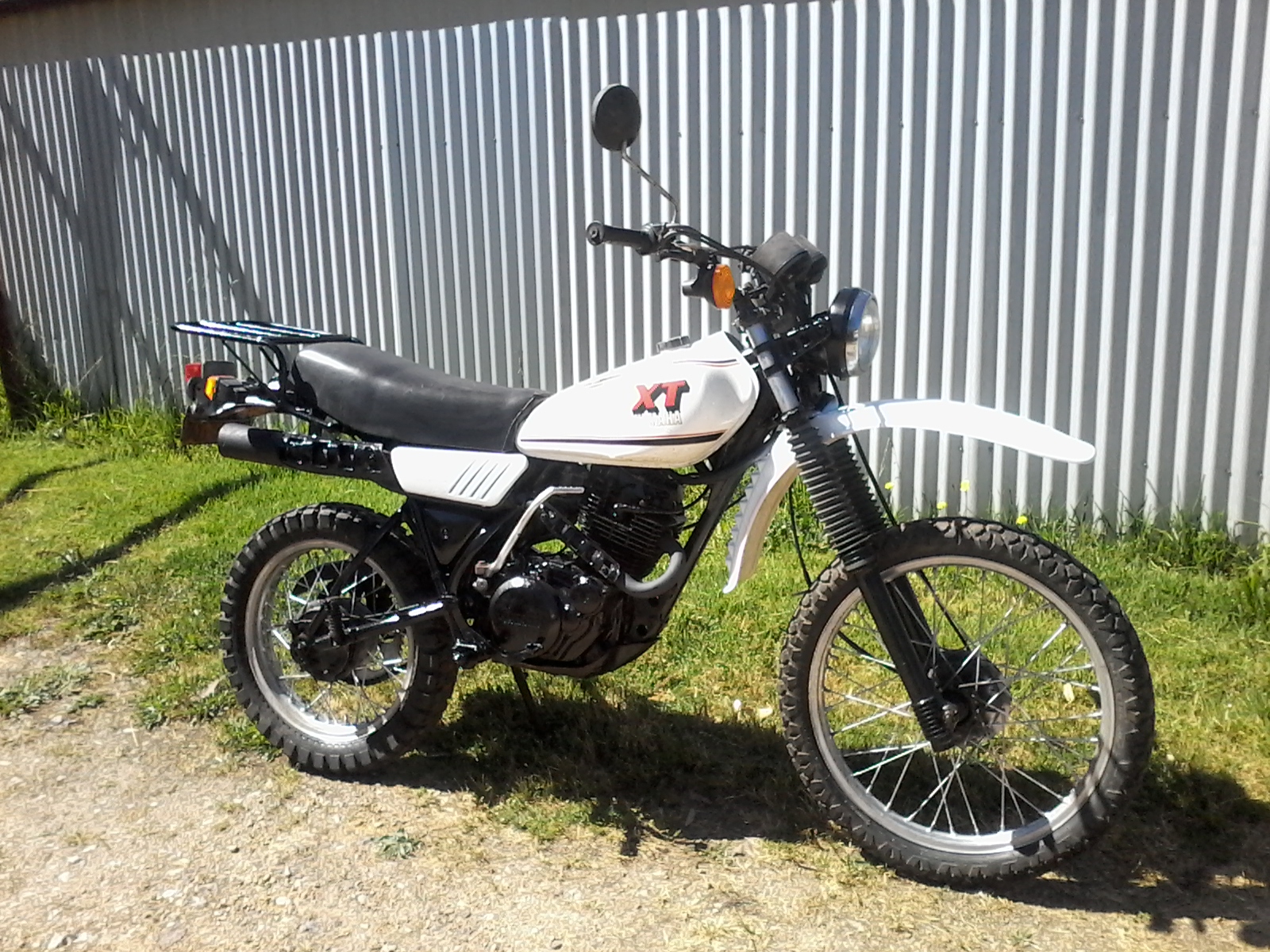
The 1982 Yamaha XT250 stands as a paragon of lightweight trail motorcycles, epitomizing the perfect symbiosis between nimble maneuverability and enduring reliability. Revered by enthusiasts and casual riders alike, this model has cemented its status as a quintessential trail king. Its design ethos was grounded in creating a versatile machine capable of conquering rugged terrains while remaining approachable for riders of varied skill levels. The XT250’s enduring appeal lies in its thoughtful engineering, which marries simplicity with performance, ensuring an engaging riding experience across an array of environments.
At its core, the 1982 Yamaha XT250 boasts a compact yet robust 246cc, air-cooled, four-stroke engine. This powerplant delivers a smooth yet lively throttle response, offering just the right blend of power for trail riding without overwhelming the rider. The single-cylinder engine’s character is defined by its tractable torque curve, which facilitates easy climbing up steep inclines and stable control on slippery surfaces. It’s a powertrain meticulously calibrated for balance, providing sufficient grunt to surmount obstacles while maintaining excellent fuel economy—an essential attribute for long off-road excursions.
The motorcycle’s chassis and suspension systems are quintessentially built to embrace the unpredictable nature of off-road terrain. A sturdy double-cradle steel frame ensures rigidity and durability, allowing the XT250 to absorb shocks and jarring impacts with aplomb. Complementing the frame is a well-tuned suspension system composed of telescopic front forks and a monoshock rear absorber, which work in tandem to smooth out uneven trails and deliver a controlled ride. This combination bestows the rider with confidence, enabling precise handling whether navigating tight switchbacks or traversing loose gravel paths.
One of the most alluring aspects of the 1982 Yamaha XT250 is its lightweight construction. Weighing in at approximately 250 pounds, the XT250 exemplifies agility and ease of handling. This relatively light curb weight makes it accessible for novice riders and significantly reduces rider fatigue during extended journeys. The manageable size does not compromise stability; rather, it enhances the rider’s ability to shift the motorcycle’s weight fluidly in response to varying conditions, which is paramount in trail riding scenarios that demand adaptability and quick reflexes.
Design-wise, the XT250 encompasses both functionality and classic aesthetics. The minimalist yet rugged bodywork reflects Yamaha’s utilitarian vision—exposed metal components and a straightforward silhouette prioritize practicality over flamboyance. The seat height is notably moderate, striking a careful balance that ensures comfortable ground reach without compromising off-road capability. Such design considerations make the XT250 versatile enough for casual urban commuting as well as spirited adventures into wilderness trails.
On the instrumentation front, the 1982 XT250 adopts a no-nonsense dashboard, featuring essential readouts that keep the rider informed without distraction. A simple analog speedometer and odometer provide critical data, reinforcing the machine’s ethos of simplicity and reliability. This pared-down approach ensures that riders remain connected with the motorcycle and terrain, rather than being reliant on extraneous electronics.
When it comes to usability, the XT250’s five-speed manual transmission allows for smooth gear transitions and efficient power delivery. The clutch and throttle response are designed to be forgiving, facilitating precise control in low-speed trail maneuvers and providing ample feedback to the rider. Moreover, the reliable kick-start mechanism harks back to an era of mechanical purity, offering peace of mind and a sense of connection to the machine during excursions far from civilization.
The 1982 Yamaha XT250’s versatility is further underscored by its adaptability to a spectrum of trail conditions. Whether carving through dense forested paths, negotiating rocky landscapes, or cruising across dusty fire roads, the XT250’s blend of nimbleness and sturdiness shines through. The motorcycle’s high ground clearance and thoughtfully positioned footpegs contribute to its off-road prowess, while its robust tires offer ample traction across diverse surfaces. This multifaceted capability has helped the XT250 garner a loyal following among riders seeking a dependable trail companion.
Beyond its mechanical attributes, the XT250 holds cultural significance within the motorcycling community. It represents a pivotal moment in the evolution of dual-sport motorcycles, bridging the gap between trail bikes and street-legal machines. For many, it symbolizes freedom, adventure, and the spirit of exploration—ethos that transcend technical specifications. The simplicity of its design invites personalization and modification, allowing riders to tailor the bike to their unique preferences, thereby fostering a deeper bond between machine and operator.
Maintenance and longevity are critical factors that the XT250 excels in. The straightforward engineering translates to ease of upkeep and fewer mechanical complexities, making it an ideal candidate for riders who prefer to perform routine maintenance themselves. The availability of replacement parts and the motorcycle’s robust construction have contributed to a thriving aftermarket and enthusiast community, ensuring that the XT250 remains a viable and enjoyable machine decades after its initial release.
In conclusion, the 1982 Yamaha XT250 exemplifies the archetype of a lightweight, reliable trail motorcycle. Its harmonious blend of compact design, versatile performance, and rider-friendly ergonomics makes it a perennial favorite among off-road aficionados and casual riders alike. Whether used as a gateway to trail riding or as a trusted companion for seasoned adventurers, the XT250 delivers an experience defined by agility, simplicity, and enduring capability. For anyone seeking a motorcycle that combines heritage with practical functionality, the XT250 remains an enduring icon worthy of respect and admiration.