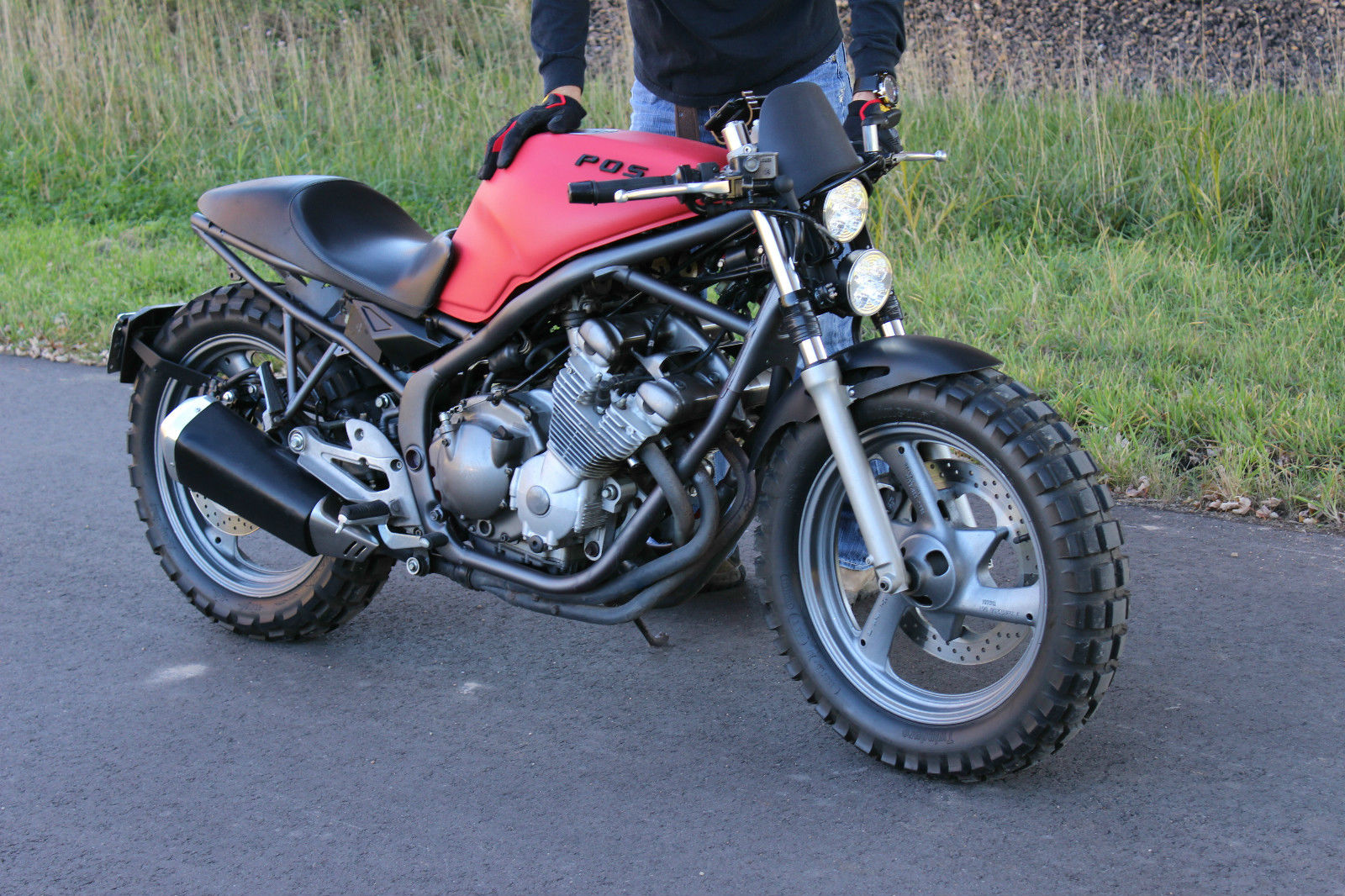
The 1992 Yamaha Seca II often presents itself as a paradox in the motorcycle community. On the surface, this particular model appears to be a budget-friendly option — accessible and unpretentious, especially when stacked against the towering legacy of high-performance sports bikes and exotic machines from the same era. Yet, beneath this veneer lies a surprising depth of engineering and character that has garnered a cult-like fascination among riders, collectors, and enthusiasts alike. Is the Seca II merely a pragmatic choice, or does it harbor qualities that elevate it beyond the pedestrian? Examining the bike’s design, performance attributes, and cultural resonance unearths clues that help decode this enduring enigma.
At first glance, the Seca II carries the unmistakable styling cues that typified early 1990s sport motorcycles, but nothing too ostentatious or extravagant. It was conceived as a middleweight sport bike—a category often regarded as the “everyman’s motorcycle.” The seating position balances sportiness with comfort, promoting a form that encourages spirited riding without demanding the physical devotion of a track-day bike. Its frame and suspension design offer a supple yet responsive feel, capable of handling tight turns and urban environments with notable agility. This approachability situates it squarely in the realm of a budget bike, ideal for beginners or those seeking a reliable daily rider without straining their finances.
However, within the mechanical heart of the Seca II lies a refined 750cc, inline four-cylinder engine, showcasing Yamaha’s commitment to blend durability with spirited performance. While not engineered to shatter quarter-mile records or challenge superbikes on the tarmac, this powerplant delivers a smooth, predictable power curve that rewards thoughtful throttle application and mechanical sympathy. The inline-four configuration, coupled with an accepted air-cooled design, made maintenance less daunting than the air and liquid-cooled rivals, further reinforcing its practicality.
This synthesis of characteristics is arguably why many observers initially categorize the Seca II as a “budget bike.” It offers the essence of sport riding sans the flamboyance or cutting-edge technology emblematic of more expensive models. But labeling it purely through this lens overlooks the nuances that give the bike its lasting appeal. First, its inherent simplicity fosters a level of mechanical familiarity that invites owners to engage with their machine on a more intimate level. Unlike contemporary motorcycles bristling with electronic riders aids and convoluted controls, the Seca II’s straightforward setup resonates with riders who cherish mechanical clarity and hands-on involvement.
Furthermore, the design language speaks to a time when form and function harmonized without being overbearing. Its minimalist yet purposeful fairing boldly presents an aggressive stance without tipping into excess. This restrained aesthetics appeal to purists who appreciate the articulation of design dictated primarily by performance and efficiency rather than fashion or market trends. The bike’s relatively light curb weight and fairly narrow silhouette contribute to a riding experience that feels almost rider-centric — an extension of the rider’s intentions and reflexes.
Beyond the physical and mechanical attributes lies a cultural component that deepens the fascination with the Seca II. The early 90s was a transitional epoch in motorcycling history. Technological leaps were emerging, yet traditional riding ethos still prevailed. The Seca II occupies this interstice, embodying the bridge between the analog past and the high-tech future, which lends it a certain narrative romanticism. Riders nostalgic for this period find the bike a tangible relic that encapsulates an era when rider skill was paramount.
Moreover, the motorcycle’s relative rarity compared to Yamaha’s more ubiquitous offerings injects it with an aura of exclusivity. While not an outright collector’s item, the Seca II has evaded saturation in the used bike market, making it a sought-after choice for discerning aficionados. This scarcity, tempered with its well-rounded capabilities, positioned it as a hidden gem — a machine quietly admired for its balanced performance, durability, and unpretentious design.
On the road, the Seca II proves itself a motorcycle that defies initial expectations. Although it lacks the instantaneous adrenaline surge of high-strung supersport motorcycles, it compensates with a measured delivery of power that enhances rider confidence through progressive acceleration and manageable handling characteristics. Its brakes, suspension, and chassis all conspire to create an intrinsically planted feel — an attribute that emboldens riders to push boundaries tentatively, without being overwhelmed. This equilibrium between capability and restraint speaks volumes about Yamaha’s design philosophy at the time and contributes to the model’s enduring cult status.
Another facet often overlooked is the motorcycle’s versatility. It is a machine equally comfortable slicing through morning commutes, embarking on spirited weekend rides, or serving as an accessible entry point for novice riders seeking to hone their skills. This adaptability increases the Seca II’s appeal as it caters to a broad spectrum of motorcyclists rather than confining itself to niche categorization.
The question of whether the 1992 Yamaha Seca II is a budget bike or a hidden gem is, therefore, more complex than it appears. It is a motorcycle that embodies economical sensibility and practical design without relinquishing the soulful engagement that riders crave. It earns its place in garages and hearts not merely because it is affordable, but because it delivers a holistic riding experience shaped by thoughtful engineering and unpretentious aesthetics.
Ultimately, this duality is what fuels enduring fascination with the Seca II. It challenges preconceptions about value, suggesting that motorcycles do not need to be high priced or laden with cutting-edge technology to be beloved. Instead, the Seca II champions the virtues of balance, reliability, and rider connection — qualities that transcend temporal trends and economic labels.
In retrospect, the 1992 Yamaha Seca II can be appreciated as a machine that subtly defies simplification. It is at once a budget-conscious choice and a hidden gem, a testament to a time when motorcycles held a purer dialogue between man and machine. This quiet elegance, imbued with practical brilliance, ensures that the Seca II remains not just a relic of the past but a source of inspiration and enjoyment for riders willing to look beyond the surface.