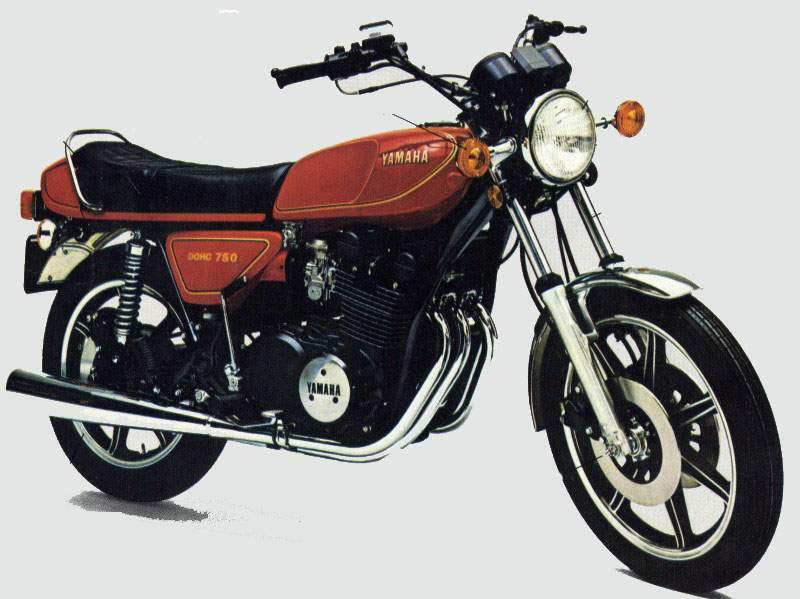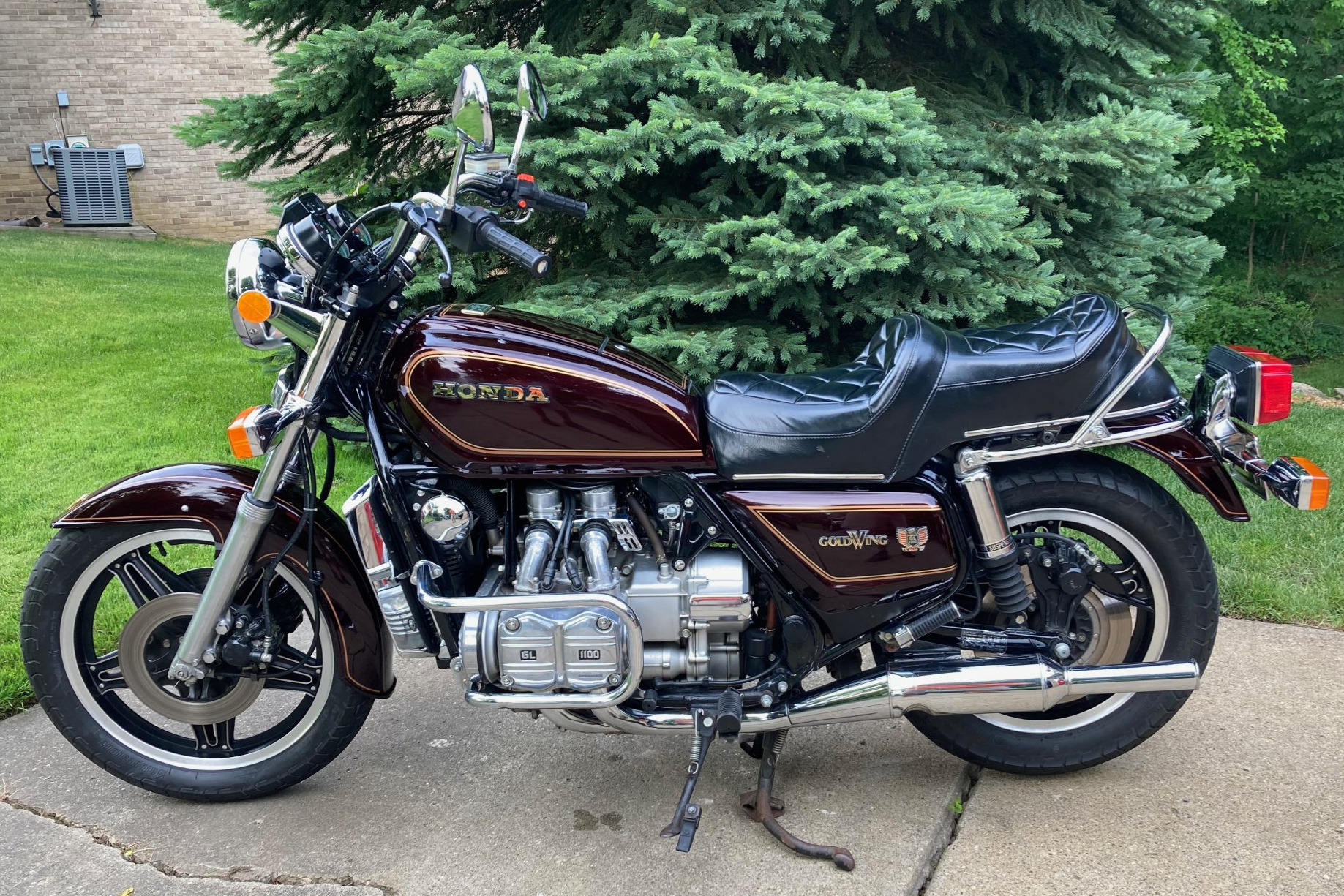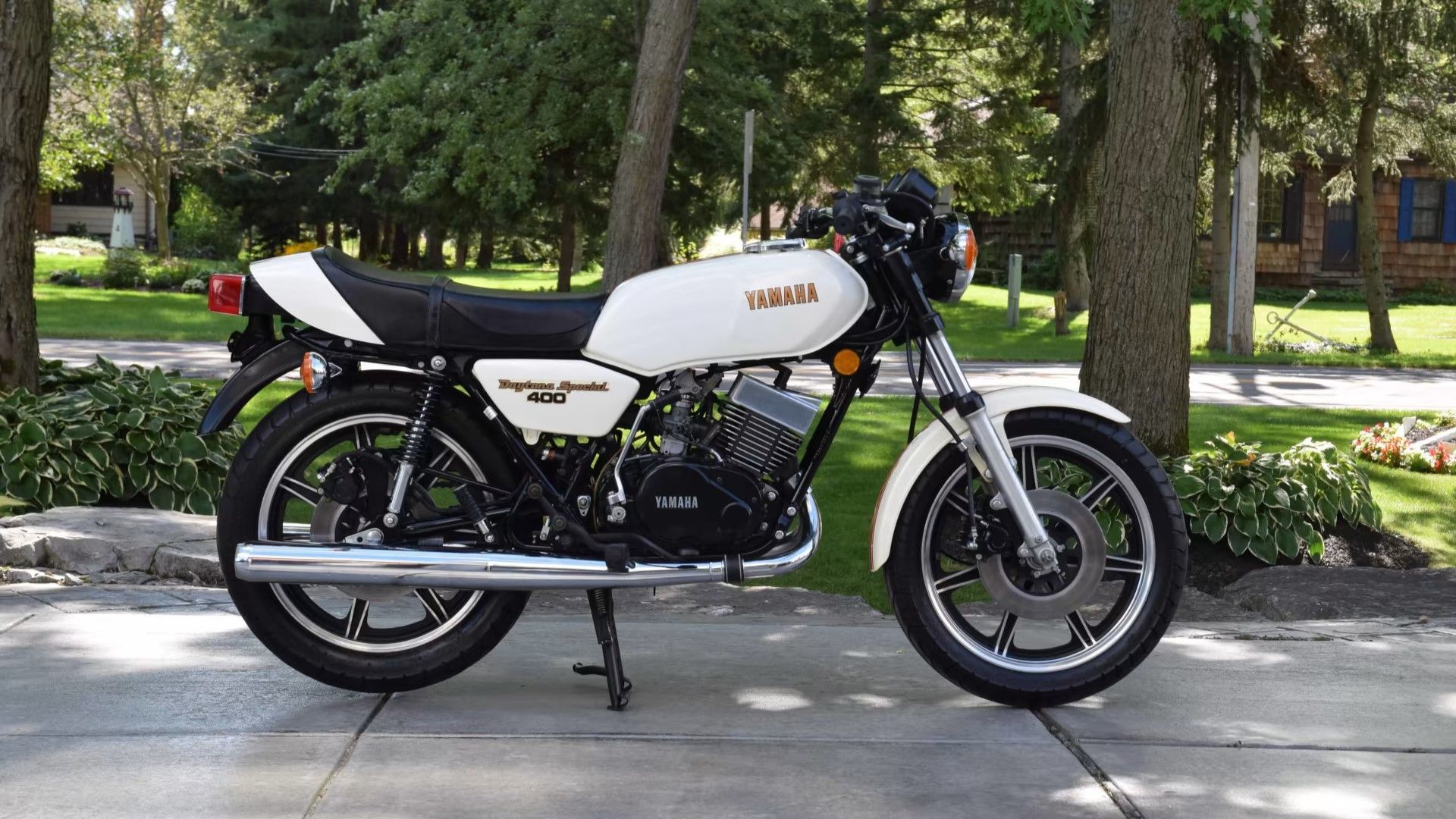
Have you ever wondered why cruising on an old Yamaha or Honda motorcycle seems to evoke a distinct sense of joy that’s often missing from their modern counterparts? It’s a playful question because, on paper, newer motorcycles are more advanced, boasting cutting-edge technology, enhanced safety features, and improved performance metrics. Yet, many riders insist that there’s an elusive magic to older models, something intangible that transforms the ride from merely functional to genuinely fun. What exactly is this charm? And is it possible that the very qualities that make these classic bikes more “fun” are also the very challenges modern enthusiasts must embrace?
At the heart of this phenomenon lies the unique relationship between rider and machine. Vintage Yamaha and Honda bikes possess a mechanical honesty and tactile feedback that create an immediate synergy. These machines don’t isolate the rider from the intricacies of riding; instead, they invite engagement, compelling one to feel every nuance of acceleration, gear shifts, and throttle response. Unlike the streamlined sophistication of today’s motorcycles, older models often require a more involved and intuitive operation, lending a deeper sense of accomplishment and, paradoxically, more pleasure.
One of the fundamental aspects that adds to the fun factor is the simplicity embedded in classic Yamaha and Honda motorcycles. Their designs were more minimalist, favoring mechanical straightforwardness over electronic complexity. This burly mechanical clarity means fewer computerized systems dictate how the bike should behave, placing the power to steer dynamics firmly in the hands of the rider. When a throttle twist translates directly to engine response without intervention from ride-by-wire systems or traction control, the connection is unfiltered and raw. This lack of electronic mediation fosters a primal bond, rekindling the purity of motorcycling as an art form and sport.
Moreover, the lighter weight of these older machines makes a significant difference. Many contemporary motorcycles have grown heavier as they incorporate advanced materials and safety features. While these improvements undeniably enhance stability and comfort, they can simultaneously dampen agility and immediacy. Classic Yamahas and Hondas, often built on simpler frames without the burden of modern additions, feel more nimble and responsive. This lightness allows riders to lean, shift weight, and weave with a fluidity that today’s bulkier offerings find challenging to replicate. The resulting ride is more playful, almost flirtatious, as the motorcycle reacts sensitively to the rider’s input.
Another facet contributing to the playful allure of these bikes is their distinct sound and mechanical symphony. The hum and roar of an older four-stroke engine — or the characteristic buzz of a two-stroke powerhouse — deliver an auditory experience that digital engine management systems can rarely mimic. This sound serves as a soundtrack for the ride, a rhythmic heartbeat that enhances the sensory encumbrance and heightens emotional involvement. The combination of mechanical noise and vibration forms a feedback loop, guiding the rider’s instincts and making every twist of the throttle an immersive experience.
Design aesthetics also play an underrated role in why these bikes feel more fun to ride. Classic Yamaha and Honda motorcycles possess a timeless appeal, blending elegance with ruggedness in a balanced harmony. Their ergonomic designs encourage an upright riding position that feels natural and open, facilitating a better sense of control and a relaxed readiness to react. Unlike some modern sportbikes that adopt an aggressive forward lean, these vintage rides invite an ease of movement and a connection to the surroundings, allowing riders to immerse themselves not just in the machine but in the environment and the road beneath them.
However, embracing the fun of an old Yamaha or Honda bike also presents a potential challenge, one that separates casual enjoyment from a true, seasoned riding experience. These motorcycles often lack the suite of safety features and conveniences modern riders have come to expect. No ABS, minimal or no traction control, classic drum brakes or early disc systems, and rudimentary suspension setups all demand heightened awareness, skill, and respect. This necessary attentiveness can initially be daunting, yet it is precisely this demand for rider input and responsibility that sharpens skills and sharpens the riding experience into something more engaging and satisfying.
In addition, the maintenance and mechanical engagement required by these older motorcycles add to their appeal for some. Where contemporary bikes aim to be as user-friendly and maintenance-free as possible, older machines often call for frequent tune-ups, carburetor adjustments, and chain lubing. While this might be viewed as a chore, it can instead be a labor of love, deepening the rider’s bond with their machine. Understanding and caring for the motorcycle on such an intimate level transforms riding from a passive experience into an active dialogue between rider and machine.
Moreover, the historical narratives embedded in Yamaha and Honda’s classic motorcycles imbue rides with cultural and emotional depth. These machines recall a golden age of motorcycling where innovation met simplicity, and motorcycle culture was as much about personal freedom as about the machine itself. Riding one connects enthusiasts to decades of heritage and evokes nostalgia for a time when motorcycling was unencumbered by the pressures of modern regulations and technology-driven homogenization.
In essence, the fun of riding old Yamaha and Honda motorcycles comes from a convergence of factors: tactile engagement, mechanical simplicity, agile handling, evocative sound, ergonomic comfort, and a pure, historical connection to motorcycling’s roots. These bikes don’t smooth away the rough edges; they celebrate them, challenging riders to develop skill, attention, and an intuitive understanding of their machine. The challenge becomes part of the reward, transforming every ride into a playful exploration rather than a routine commute or sterile sport.
So, the next time you find yourself longing for a truly enjoyable ride, consider that the answer might not lie in the highest horsepower or the latest technological marvels. Instead, it may reside in the soulful imperfections and visceral intimacy found within an old Yamaha or Honda. These motorcycles beckon riders to savor the journey with all its quirks and demands, proving that sometimes, fun rides just feel better when they come with a little bit of challenge and a whole lot of heart.