In the expansive realm of dual sport motorcycles, few models stir as much intrigue and debate among enthusiasts as the 2009 Kawasaki KLX250S and its counterpart, the KLX250SF. These machines, while siblings under the Kawasaki banner, present nuanced differences that cater to a diverse spectrum of riders—a dynamic that fuels an ongoing fascination with their capabilities and character. The allure of these motorcycles transcends mere specifications; instead, it taps into an almost visceral appreciation for versatility, ruggedness, and unbridled freedom on two wheels.
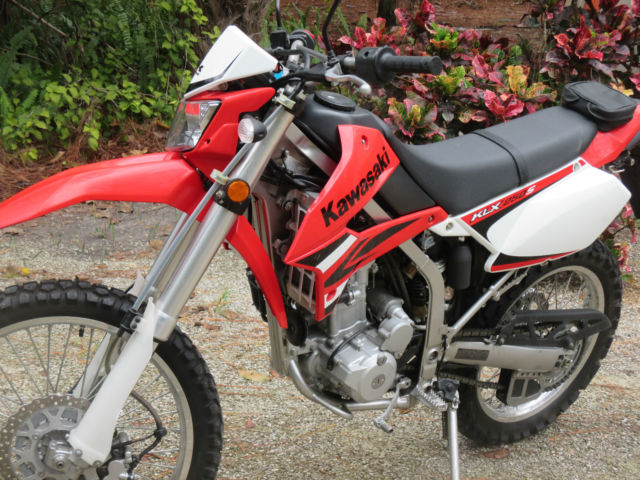
The 2009 Kawasaki KLX250S is emblematic of the true dual sport ethos. Its design philosophy embraces the balancing act that dual sport motorcycles consistently perform: excelling both on paved roads and untamed trails. This model features a 249cc liquid-cooled, four-stroke engine that delivers a harmonious blend of torque and manageable power. It is engineered to cater to riders who yearn for versatility without sacrificing comfort. The KLX250S stands on a 21-inch front wheel and an 18-inch rear wheel, which is an intentional nod to its off-road aspirations, granting riders enhanced maneuverability over rocky paths and gravel. The suspension setup, with its long travel forks up front and a Uni-Trak rear suspension, ensures a supple yet responsive ride, effectively smoothing out the rigors of trail riding.
Conversely, the KLX250SF shares the same displacement and fundamental mechanical makeup but shifts its focus toward the street-oriented rider. The “SF” in its designation denotes “Street/Fun,” signaling its enhanced capability for urban and suburban commuting while retaining its off-road DNA. One of the most palpable distinctions lies in its wheel sizes—both front and rear wheels are 17 inches in diameter, diverging from the traditional mixed sizing of its sibling. This alteration bestows the SF with improved stability and agility on pavement, granting it a more commuter-friendly demeanor.
Beyond wheel dimensions, the KLX250SF boasts sportier ergonomics. The seat is lower and more streamlined, the handlebars are positioned to encourage a more aggressive riding posture, and the suspension is slightly stiffer to cater to the demands of road riding. These design nuances translate to an experience that is more precise and responsive when navigating city streets or tackling twisty backroads. While it sacrifices some of the ruggedness that characterizes the KLX250S, the SF compensates with a dexterity and confidence on asphalt that cannot be overlooked.
Comparing these two variants, a common observation surfaces: the KLX250S embodies the archetype of a true dual sport motorcycle with a leaning toward off-road prowess, whereas the KLX250SF gravitates closer to a supermoto or street-oriented platform. However, this dichotomy does not imply unequivocal superiority of one over the other. Instead, it reflects a strategic divergence designed to satiate the multifaceted desires of riders. This dichotomy explains why both models command enduring popularity and respect within the community.
This fascination extends beyond the naked facts of engine displacement or suspension travel. It speaks to a deeper human craving—the yearning to reconcile contradictions. The KLX250S and KLX250SF metaphorically personify the tension between adventure and practicality, freedom and control, wilderness and civilization. The former opens its arms to the unpredictable beauty of mountain trails, river crossings, and forest paths. The latter seduces with promises of nimble sanity amidst traffic congestion and crisp handling through urban canyons. This duality resonates profoundly because it encapsulates the very challenge embedded in the essence of a dual sport motorcycle.
Moreover, both models benefit from Kawasaki’s reputation for durability and thoughtful engineering. Their relatively light weight, in the 300-pound range, makes them approachable for novice riders, yet their performance envelope provides enough excitement for experienced riders seeking a capable machine that adapts to varying terrain. Their fuel injection systems increase efficiency and reliability, reducing the hassle associated with carburetors and improving cold starts. With a fuel capacity that allows for reasonable range without excessive weight, these motorcycles demonstrate Kawasaki’s mastery in balancing competing priorities.
When assessing their off-road credentials, the KLX250S’s higher ground clearance and longer suspension travel provide clear advantages on rough terrain. The tires, often knobby or semi-knobby, enhance grip on loose surfaces, inspiring confidence when the pavement ends. The KLX250SF, while still capable of light trail riding due to its shared chassis and engine, invites riders to consider where their priorities lie. Is the primary aim to conquer fire roads and forest tracks, or to elegantly slice through urban environments with sportier handling?
The cost dimension also influences rider preference. Typically, the KLX250SF enters the scene at a slightly higher price point owing to its sportier refinements and additional street-centric equipment. Maintenance requirements remain similar across the pair, with both benefiting from Kawasaki’s straightforward and accessible design philosophy that simplifies routine servicing tasks—a boon for riders who enjoy hands-on interaction with their motorcycles.
Ultimately, the 2009 Kawasaki KLX250S and KLX250SF form a fascinating case study in motorcycle specialization within a shared platform. The subtle yet deliberate variations underscore the brand’s commitment to addressing rider diversity and lifestyle considerations with precision. Enthusiasts often find themselves drawn not simply by the machines’ capabilities but by the narrative they embody: the perennial quest to unify versatility and passion in two wheels.
In reflecting on the 2009 KLX250S versus the KLX250SF, it becomes apparent that the heart of their enduring appeal lies in this nuanced duality. They do not merely serve as transportation or recreation; they act as conduits for expression, adventure, and identity. Whether carving a winding mountain trail on the KLX250S or slicing through urban traffic aboard the KLX250SF, riders engage with a broader dialogue about the motorcycling experience itself, an experience grounded in adaptability, thrill, and the relentless call of the open road, be it dirt or asphalt.