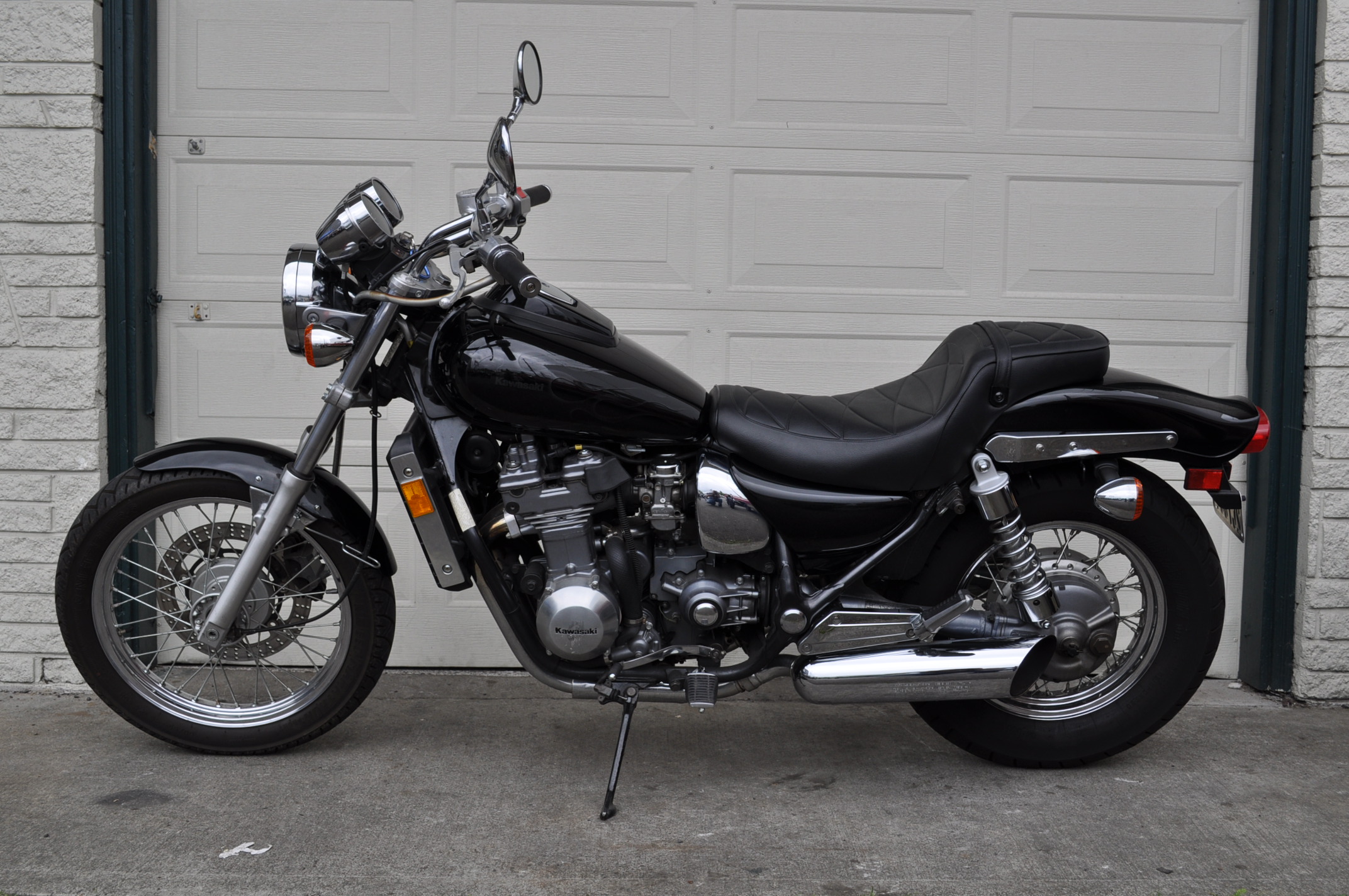
Is the 1996 Kawasaki Eliminator 600 a hidden gem or just another footnote in the annals of cruiser history? For those who seek the quintessential street cruiser from the mid-90s, this motorcycle often slips under the radar, overshadowed by flashier contemporaries. Yet, beneath its unassuming exterior lies a compelling story of engineering finesse and riding charisma that begs to be rediscovered. What makes this particular model both a challenge and a delight for riders and enthusiasts alike? Let’s embark on a detailed exploration of the 1996 Kawasaki Eliminator 600 and uncover why it remains a captivating enigma in the world of cruisers.
At first glance, the Kawasaki Eliminator 600 strikes a balance between muscularity and sleekness. The design embodies a mid-90s aesthetic that combines sharp lines with a somewhat minimalist approach, showcasing Kawasaki’s intent to craft a bike that is more than just a showpiece. Its frame is sturdy yet agile, offering a silhouette that effortlessly blends the classic cruiser vibes with a subtle hint of sportiness. The bike’s stance is relaxed, built for street-level domination and comfortable cruising alike, inviting riders to experience the open road with effortless confidence.
Delving into the mechanical heart of the Eliminator 600 reveals a 588cc parallel-twin engine, which in its day, presented a formidable combination of power and reliability. While not the most groundbreaking powerplant, it was engineered to provide smooth acceleration and a robust midrange punch. This engine was designed to be forgiving and manageable, a trait that made it appealing to beginner and intermediate riders seeking a manageable yet potent cruiser. But does this balance of power and accessibility come at the cost of excitement, or does it deliver a nuanced riding experience that challenges the rider’s skills and instincts?

The transmission and chassis of the 1996 Eliminator 600 further underscore its purpose-built nature. Featuring a five-speed gearbox and a belt drive system, Kawasaki engineered this cruiser for seamless power delivery and low maintenance—attributes that amplify its streetwise practicality. The suspension setup, comprising telescopic front forks and dual rear shocks, offers a ride that is both stable and comfortable, while retaining enough feedback to keep riders connected to the asphalt beneath. However, some may argue that the suspension’s comfort-oriented tuning sacrifices cornering agility and sporty handling. Is this a limitation or simply a choice that defines the bike’s true cruising pedigree?
Beyond the raw mechanics, the motorcycle’s ergonomics are an intriguing study of rider-centric design. The seating position is low and relaxed, encouraging long rides without fatigue, yet precise enough to handle urban traffic dynamics effectively. The handlebars and footpegs are placed in positions that facilitate easy control and a commanding posture, a detail that accentuates the bike’s utility as a daily urban cruiser and weekend adventurer. But how does this ergonomic approach hold up against contemporary standards, and could it be a reason why the Eliminator 600 has receded in popularity?
Another element worth noting is the motorcycle’s instrumentation and control interface, which embodies the utilitarian spirit of the era. The minimalist dashboard, dominated by a simple analog speedometer and tachometer, avoids distractions and keeps the rider’s focus planted firmly on the ride. This no-frills approach is emblematic of Kawasaki’s philosophy during the 90s — reliability and clarity over luxury gadgets. Yet, in an age where digital interfaces reign supreme, does such simplicity manifest as charm or challenge for riders accustomed to modern conveniences?
In the context of the mid-1990s motorcycle market, the 1996 Kawasaki Eliminator 600 occupied a niche that blended affordability, reliability, and cruiser comfort. It was not intended to outshine heavyweight cruisers like the Harley-Davidson Softail or the Honda Shadow, nor was it poised to dominate the sportbike arena. Instead, it carved out a respectable place among entry to mid-level cruisers, appealing to enthusiasts who prized practicality and everyday usability. However, its understated appeal may have rendered it less memorable amid the flourishing diversity of motorcycles during that vibrant decade.
Collectors and modern-day riders rediscovering the Eliminator 600 often highlight its surprisingly robust build quality and timeless mechanical simplicity. This motorcycle offers a tactile and connected riding experience that modern bikes, swathed in electronics and assistive technologies, sometimes lack. Yet, this very simplicity can be a double-edged sword. Owners must often tackle parts scarcity and the challenges of keeping a less common vintage cruiser in pristine running condition. Does the satisfaction of owning and riding the Eliminator 600 outweigh these hurdles, or do they relegate this motorcycle to a niche interest?
Beyond the mechanical and physical allure, the 1996 Kawasaki Eliminator 600 represents a philosophical moment in motorcycling—a time when manufacturers strived to democratize the cruiser experience without sacrificing the essence of riding pleasure. It invites a rider to engage with the machine in a way that is raw and visceral, demanding attention to throttle control, braking finesse, and body positioning. For those seeking a machine that simultaneously caresses and challenges, this bike provides a compelling proposition. Its “forgotten” status may well be an invitation to rediscover not just a motorcycle, but a mirrored reflection of riding passion unfiltered by superfluous electronics.
Ultimately, the question remains: can the 1996 Kawasaki Eliminator 600 carve its way back into the collective consciousness of motorcycle aficionados? Its answer lies quietly in its steel frame and parallel twins—a whisper of an era when simplicity bred sincerity in motorcycling. For the urban road warrior and the nostalgic cruiser alike, the Eliminator 600 poses a playful challenge: to look beyond contemporary bells and whistles, and embrace a machine that honors pure, unadulterated riding.