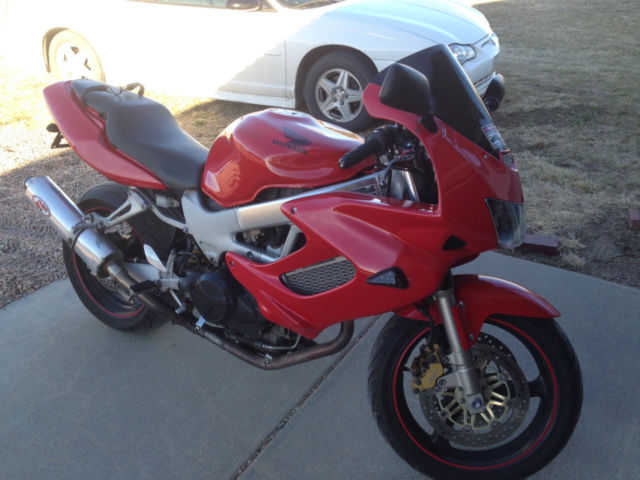
What happens when Japanese engineering meets the raw charisma of a V-twin engine? The 1998 Honda VTR1000 SuperHawk, more commonly known as the Superhawk, offers a compelling answer—an intoxicating blend of power, precision, and personality wrapped in a sleek, muscular package. But does this motorcycle manage to carve a distinct niche amidst a sea of liter-class sportbikes dominated by inline-four engines, or does the unique V-twin architecture introduce a set of challenges that riders must deftly navigate?
The late ’90s marked a vibrant era for sportbikes, with technological leaps pushing machines to extraordinary performance heights. Against this backdrop, Honda’s decision to champion a 996cc 90-degree V-twin configuration in the SuperHawk was a noteworthy gamble. Instead of following the industry’s tendency toward screaming inline-fours, Honda embraced the rich, throaty character of a big V-twin, a layout celebrated for its tractable torque delivery and distinctive exhaust note.
Wrapped in an aggressive steel frame with a slightly aggressive riding posture, the SuperHawk exudes an aura that is both purposeful and poised. Designed as a sportbike built primarily for American roads, it balances comfort and high-performance behavior without the extremities often found in dedicated racetrack machines. This renders it appealing to riders seeking a spirited ride without the fatigue of brutally aggressive ergonomics.
Underneath the sculpted fairings lies a powerhouse. The liquid-cooled DOHC engine boasts four valves per cylinder, delivering crisp throttle response and impressive midrange torque that’s almost instantly accessible. Unlike its inline-four-powered peers, the VTR1000’s torque curve is smoother and more linear, inviting riders to exploit the engine’s grunt at lower RPMs without feeling the need to constantly rev to the limiter. For many, this makes urban riding or canyon carving feel less like a chore and more like an engaging dance with the machine.
But is the SuperHawk’s V-twin configuration without compromise? Not quite. The choice of engine architecture, while delivering its signature character and torque advantage, also came paired with nuances impacting the riding experience. Some aficionados note that the VTR1000’s chassis feedback and weight distribution could feel slightly less nimble compared to lightweight inline-four competitors. The V-twin’s distinctive vibration patterns and engine pulse can also be polarizing, delighting some while fatiguing others over long hauls.
The suspension setup—comprising conventional telescopic forks upfront and a monoshock with adjustable preload in the rear—strikes a pragmatic balance. It delivers composure and confidence in cornering without sacrificing ride comfort. However, in the context of modern sportbike suspension sophistication, the SuperHawk’s components reflect a somewhat dated approach. Still, for its time, it was more than adequate, offering reassuring stability at high speeds and responsiveness to rider inputs.
Ergonomics are a compelling chapter unto themselves. The SuperHawk’s seat and handlebar placement encourage a slightly forward-leaning stance that motivates aggressive riding yet spares the wrists and back from the more punishing angles found on race-bred machines. The footpegs are positioned to support spirited cornering without inflaming rider fatigue, making the bike an excellent option for both spirited weekend blasts and longer recreational rides.
One cannot discuss the 1998 SuperHawk without acknowledging its unique sound profile. The engine’s V-twin pulse produces a deep, resonant exhaust note that distinguishes it audibly from its inline-four competitors, whose high-pitched whine can sometimes blend into a generic blur. This aural signature enhances rider engagement, offering a visceral and emotional connection to the machine that transcends mere performance statistics.
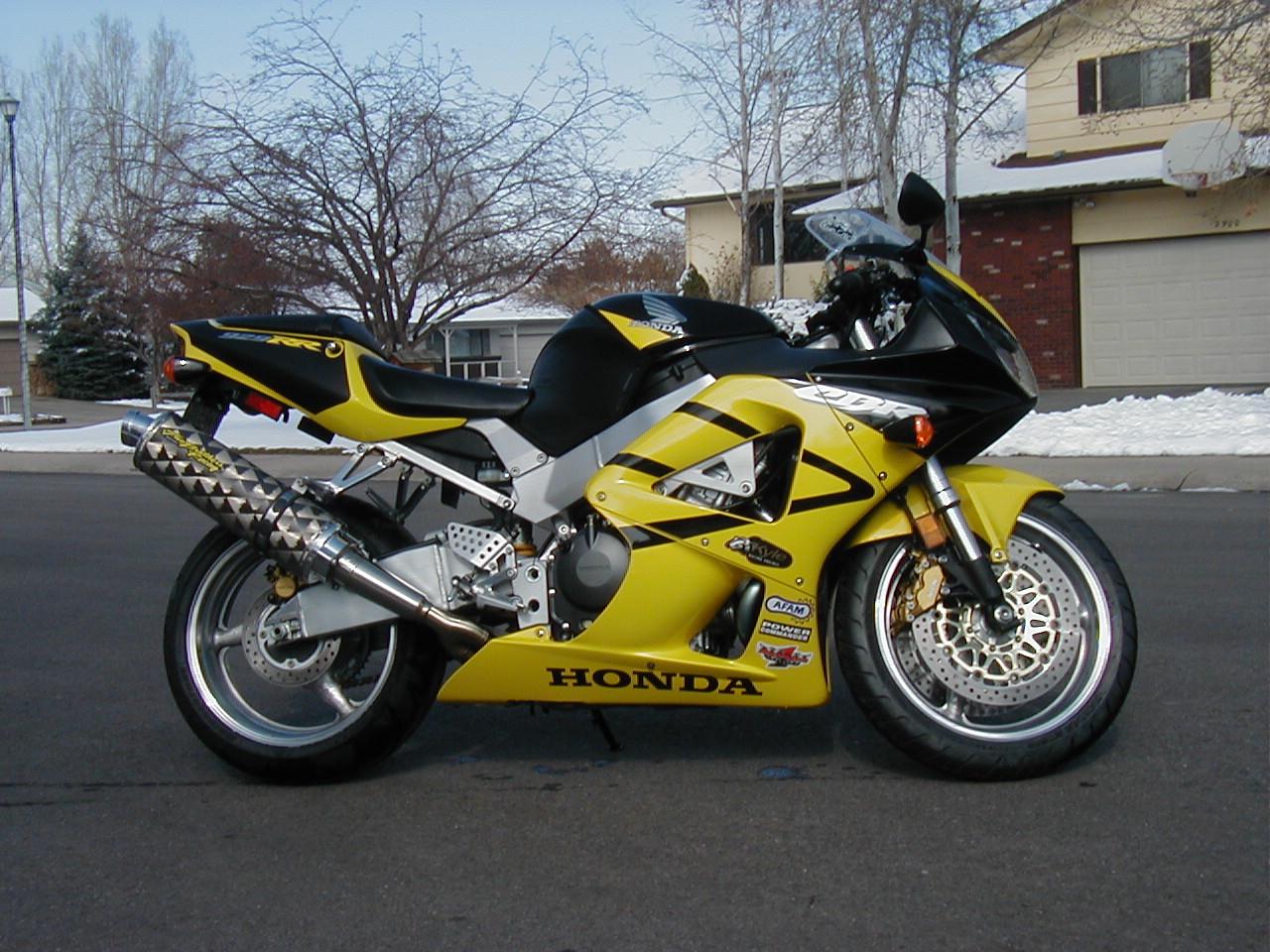
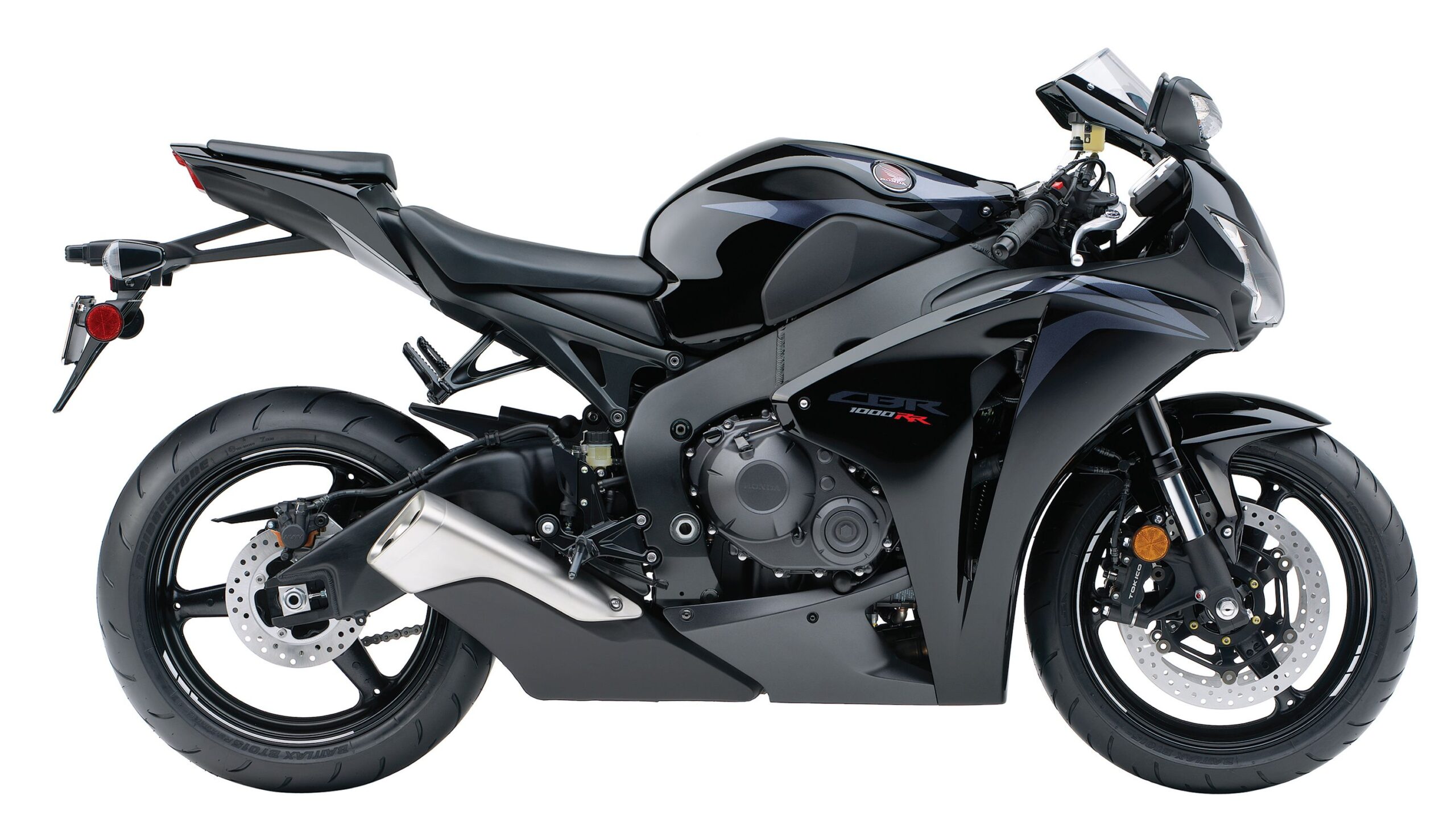
Visually, the SuperHawk carries the DNA of Honda’s sportbike lineage while asserting its own personality. The sharp lines and muscular midsection not only speak to aerodynamic intent but also to the bike’s inherent strength. The minimalistic yet purposeful tail section, coupled with twin exhausts tucked close to the bodywork, present a polished package that’s both functional and aesthetically appealing.
So, where does one place the 1998 Honda VTR1000 SuperHawk in the grand tapestry of sportbikes? It tends to appeal to riders who prize character as much as outright speed. While it may not eclipse the blistering lap times of contemporary superbikes, it offers a unique alternative—one that prioritizes a low to mid-range torque punch, rider comfort, and an unmistakable V-twin presence. It champions a riding philosophy less about chasing peak horsepower numbers and more about savoring the ride.
Nonetheless, such specialization introduces potential challenges. Those accustomed to lifeless smoothness of inline-four engines may find the VTR1000’s vibrational quirks and differing throttle feel unfamiliar. Additionally, the bike’s weight and handling characteristics require a modicum of adjustment for riders transitioning from lighter, sharper cornering machines. Yet, these challenges also present an invitation to expand one’s riding repertoire and appreciate the nuanced dialogue between rider and machine.
In conclusion, the 1998 Honda Superhawk VTR1000 stands as a compelling testament to Honda’s innovation and willingness to explore alternative paths in sportbike design. It synthesizes the raw appeal of a V-twin configuration with the engineering refinement Honda is renowned for, creating a machine that’s both approachable and exhilarating. For those who ask whether a V-twin can truly unleash the spirit of a sportbike with equal vigor, the SuperHawk offers not just an answer, but an invitation—to embrace a sportier ride imbued with soul, character, and unmistakable power.