When delving into the realm of performance motorcycles from the early 2000s, two iconic models from Ducati often spark passionate debates: the 2001 Ducati 750SS and the Monster 750. Both machines embody Ducati’s legendary engineering prowess and distinctive Italian design ethos, yet they cater to subtly different rider sensibilities. Each represents a different philosophy in motorcycle construction, performance, and rider engagement. This detailed comparison seeks to unravel their attributes, highlight distinctive features, and ultimately determine which one takes precedence in the battle of these middleweight superbikes.
Design and Aesthetic Appeal
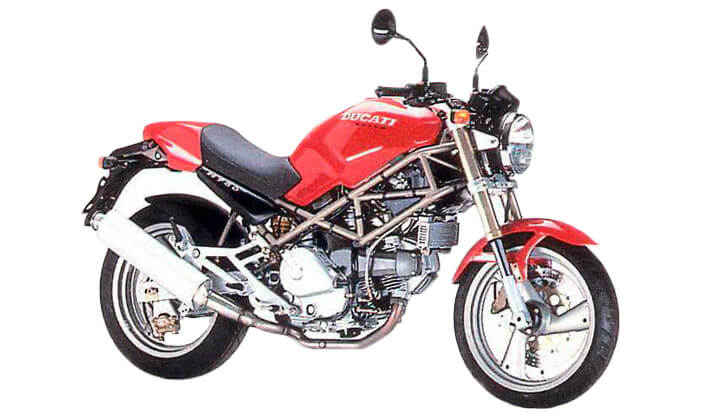
The 2001 Ducati 750SS is a nod to Ducati’s storied racing heritage, featuring a streamlined and aerodynamically thoughtful design. Its full fairing encapsulates the bike’s mechanical components, lending it an aggressive yet polished silhouette. The sleek bodywork is not just for appearances; it serves to reduce drag and enhance stability at elevated speeds. In contrast, the Monster 750 embraces Ducati’s naked bike legacy with a more minimalist, unadorned frame. Its exposed trellis chassis is a visual triumph of form meeting function, revealing the heart of the bike rather than concealing it. The Monster’s muscular stance and upright posture appeal to enthusiasts who prioritize raw road presence over track-day aesthetics. Both motorcycles feature quality Italian craftsmanship and distinctive scarlet paint jobs, but they cater to two diverging tastes in motorcycle styling—race-inspired versus urban aggressor.
Engine Performance and Character
Powering these beasts is Ducati’s revered 750cc L-twin engine, known for its exhilarating midrange torque and characterful power delivery. The 750SS’s engine is finely tuned to maximize output and responsiveness, promising a more aggressive and rev-happy ride. It produces approximately 80 horsepower, providing a thrilling performance envelope that rewards precise throttle control and spirited road riding. Its high compression ratio and cam profiles are optimized for spirited acceleration and top-end prowess.
The Monster 750, while sharing the same displacement and fundamental architecture, is dialed slightly differently. Its power delivery favors tractability and versatility, making it an excellent all-rounder for city commuting and spirited canyon carving. Though it generates slightly less peak horsepower, the Monster compensates with a more generous midrange, making throttle responses more predictable and manageable for less experienced riders or those seeking relaxed weekend fun. The exhaust note of both machines is distinctly Ducati—a symphony of mechanical intensity—but the Monster’s is often described as more raw and visceral.
Chassis and Handling Dynamics
Handling is where these motorcycles begin to exhibit their divergent DNA quite clearly. The 750SS utilizes a more traditional sportbike chassis layout with clip-on handlebars and rear-set footpegs, positioning the rider for a forward-leaning, aggressive stance. This geometry enhances high-speed stability and cornering precision, allowing the 750SS to carve through bends with razor-sharp accuracy. Suspension components, typically an upside-down fork upfront and a monoshock at the rear, are tuned for firmer settings aligned with sporty riding.
Conversely, the Monster 750 employs a more upright riding position with flat handlebars and mid-set foot controls, emphasizing comfort and street-friendly ergonomics. Its exposed trellis frame not only provides distinctive styling but also contributes to a lighter, more nimble feel at lower speeds. Suspension settings are generally softer compared to the 750SS, absorbing city road irregularities more effectively while still maintaining commendable cornering capability. The Monster’s handling virtues are pronounced in traffic-heavy urban environments and winding backroads where agility outweighs raw cornering speed.
Technological Features and Rider Assistance
In the early 2000s, motorcycles were only beginning to incorporate electronic rider aids, and Ducati’s offerings from this era embrace a more analog and mechanical purity. Neither the 2001 Ducati 750SS nor the Monster 750 is equipped with modern electronic aids such as ABS or traction control, emphasizing rider skill over technological assistance. This makes the experience more engaging but demands greater attention and finesse. The simplicity of instrumentation—analog tachometer and speedometer, complemented by minimal warning lights—extends an old-school charm and clarity.
Practicality and Everyday Usability
While both motorcycles deliver thrilling performance, their practicality contrasts significantly. The Monster 750’s more upright seating, wider seat cushion, and less aggressive ergonomics translate to greater comfort during longer rides or urban commuting. Its minimalist fairing also reduces weight and maintenance complexity. Fuel capacity is adequate for its class, offering a balance between spirited riding range and manageable tank size.
The 750SS, designed with sport performance as a priority, sacrifices some practicality. The more tucked riding position can induce fatigue over prolonged periods, and its full body fairing, while aerodynamic, may complicate maintenance procedures. Fuel tank size and seat comfort are tuned more towards shorter, spirited excursions rather than extended touring or day-to-day urban transport.
Market Position and Rider Profile
The essence of these motorcycles is not solely in their mechanical specifications but in the rider experience and intended use. The 750SS appeals predominantly to enthusiasts craving a near-track experience on public roads—a bike that challenges and rewards skilled riders. It resonates with those who prioritize precision, speed, and historical racing legacy.
In contrast, the Monster 750 positions itself as a versatile, everyday sportbike, perfect for riders seeking a blend of practical daily usability with enough athleticism for weekend thrills. Its approachable nature makes it a popular entry point into Ducati ownership, balancing performance with personality and ease of maintenance.
Conclusion: Which One Wins?
Determining a definitive “winner” between the 2001 Ducati 750SS and Monster 750 depends heavily on individual priorities and intended motorcycle usage. If track-oriented performance, meticulous handling, and an immersive sportbike character are paramount, the 750SS emphatically asserts its dominance. Its sharper throttle response, aggressive ergonomics, and race-inspired aesthetics make it an alluring choice for devoted sport riders.
Alternatively, if versatility, urban practicality, and rider comfort factor heavily into your decision, the Monster 750 provides a compelling, well-rounded package. It melds Ducati’s visceral engine character with approachable ergonomics and the style of a naked streetfighter. For riders valuing everyday usability along with spirited capabilities, the Monster takes the laurels.
Ultimately, both motorcycles celebrate Ducati’s passion for engineering and design. They offer different interpretations of what a middleweight Ducati should be, and whichever you choose, you will experience a slice of Italian motorcycling excellence.