When comparing two iconic cruisers like the 2005 Honda Shadow 750 Aero and the Spirit, enthusiasts find themselves at a fascinating crossroads. Both models embody the classic American cruiser ethos, fashioned with Japanese precision. However, beneath their shared legacy, distinct design philosophies, mechanical nuances, and riding experiences reveal themselves. This detailed exploration aims to dissect these two motorcycles meticulously—delving into their engineering, aesthetics, performance, comfort, and overall appeal—to determine which one triumphs in the battle of the Shadows.
The Honda Shadow 750 lineup, which includes both the Aero and the Spirit, has long been appreciated for blending traditional cruiser styling with dependable technology. The 2005 variants particularly exemplify Honda’s commitment to balancing heritage and modernity. The Aero and Spirit each cater to slightly different riders, making a comparative analysis not only insightful but necessary for potential buyers and aficionados alike.
Design and Styling Elegance
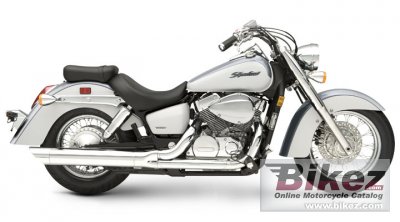
The first striking divergence between the Aero and the Spirit is their visual identity. The Shadow Aero pays homage to 1950s aesthetics, channeling a retro vibe that leverages sweeping fenders, voluminous body panels, and subtle chrome accents. Its design is almost baroque, with a nuanced emphasis on classic road presence. The rich, rounded contours, coupled with the dual exhausts and teardrop fender shapes, cater to riders who cherish nostalgia on wheels.
Conversely, the Spirit embraces a more minimalist and stealthy appearance. It opts for a streamlined look, with smaller, chopped fenders and blacked-out components that exude an air of modern ruggedness. The design eschews flamboyance in favor of deliberate restraint, providing a machine that looks purposeful and pronounced without being ostentatious. This design language appeals to riders who favor subtle aggression over retro flamboyance.
This difference in styling naturally steers the aesthetic preferences of diverse rider demographics. The Aero invites those enamored with classic cruiser culture, while the Spirit captures the imagination of riders leaning towards contemporary, urban cruiser vibes.
Mechanical Architecture and Powertrain
Despite their differing exteriors, both the Aero and the Spirit are anchored by the same fundamental powerplant: a liquid-cooled, 745cc V-twin SOHC engine. This engine delivers a balanced blend of torque and horsepower, engineered for smooth delivery and reliable longevity. However, subtle tuning and exhaust configurations impart unique character traits to each.
The Aero’s engine setup emphasizes a richer mid-range torque, designed for relaxed cruising and confident highway overtaking. The exhaust note is deeper and more resonant, contributing to aural gratification that complements the bike’s vintage styling. Riders often describe the Aero’s power delivery as leisurely yet potent, ideal for those who savor the journey rather than purely chasing speed.
Meanwhile, the Spirit benefits from a slightly more responsive throttle and lighter clutch pull, enhancing maneuverability and rider engagement. The exhaust on the Spirit is less sonorous, leaning towards a quieter but more mechanical hum. This aligns well with urban riding scenarios, where agility and subtlety trump audiobook-worthy rumble.
Chassis and Handling Characteristics
Both motorcycles share a similar steel frame architecture, though their suspension setups vary slightly to complement their respective intended uses. The Aero employs a more plush suspension with longer travel, absorbing road imperfections with considerable grace. This makes it well-suited for longer highway jaunts and gives the rider a cushioned ride over uneven asphalt.
The Spirit, in contrast, has a firmer suspension that sharpens handling response at lower speeds and through twisties. Its lighter front forks lend it an agile demeanor, ideal for urban dodging and winding backroad escapades. The Aero feels more planted but slightly less nimble.
Tires also differ; the Aero sports wider, balloon-style tires that enhance its stability at higher speeds and contribute to its classic stance. The Spirit’s narrower tires prioritize grip and quick directional changes, playing into its more modern cruiser profile.
Ergonomics and Rider Comfort
Ergonomics play a pivotal role in deciding between these two Shadows. The Aero’s seating position invites relaxation, with wider handlebars, forward-mounted foot controls, and a plush saddle that encourages extended rides without fatigue. Its overall layout fosters a laid-back, stretched-out posture, reinforcing its cruiser ethos.
The Spirit assumes a more upright riding position, allowing for greater control in congested environments. The seat is slightly firmer and narrower, catering to riders who might prioritize urban commuting or spirited, shorter rides over long-distance comfort. The footpegs sit closer to the center, enhancing balance and responsiveness during frequent stops and starts.
Passenger accommodations also vary. The Aero typically offers a more spacious passenger seat and higher comfort levels for a pillion, whereas the Spirit is somewhat more restrictive but manageable for shorter durations.
Instrumentation and Technology
Both motorcycles are equipped with analog instrumentation that encapsulates the traditional cruiser essence. Speedometers, tachometers, and fuel gauges are straightforward and legible, promoting an unintrusive riding experience. However, the Aero occasionally incorporates subtle chrome-trimmed housings for its gauges, augmenting the vintage allure, while the Spirit’s dials are toned down and functional.
Neither bike boasts cutting-edge electronics typical of modern motorcycles, such as traction control or ABS in their standard 2005 configurations. This absence underscores their reliance on rider skill and mechanical simplicity.
Maintenance and Reliability Considerations
Honda’s reputation for reliability extends unequivocally to both the Aero and Spirit. Routine maintenance tasks such as oil changes, valve adjustments, and chain checks are straightforward due to the clean engineering of the 745cc V-twin. Parts are widely available and generally affordable, especially when compared to American counterparts.
The Aero’s more elaborate bodywork might increase maintenance duration slightly, particularly when accessing hidden components. The Spirit’s pared-down design lends itself to quicker servicing, especially for urban riders who perform frequent inspections.
Which One Ultimately Wins?
Determining a winner between the 2005 Honda Shadow 750 Aero and Spirit is contingent upon rider preferences and intended motorcycle usage. The Aero triumphs for those enamored with classic styling, leisurely touring, and substantial comfort—the perfect companion for cruising under open skies and majestic highways.
The Spirit’s victory lies in its nimble handling, compact frame, and modern aesthetic that appeals to daily commuters or riders who prefer an understated but capable cruiser. It’s more pragmatic for city environments and shorter, more dynamic rides.
In summation, the Aero is a romantic, nostalgia-laden cruiser. It seduces with timeless elegance and a balanced engine tuned for relaxation. The Spirit, on the other hand, is a sporty, no-nonsense urban cruiser that excels at agility and understated style. Both possess the hallmark Honda reliability and solid engineering, making either a worthy investment.
The ultimate decision rides on your personal priorities: do you chase classic grandeur and highway grace, or do you pursue urban agility and modern minimalism? Either way, both Shadows provide a compelling slice of cruiser culture that continues to resonate within the motorcycling community.