The 2006 cruiser motorcycle market presents an enticing battleground for enthusiasts eager to experience mid-sized powerhouses that combine style, performance, and rideability. Among the myriad options available, three models stand out for their distinct characteristics and loyal fanbases: the Kawasaki Vulcan 900, the Suzuki Boulevard C50, and the Yamaha V Star. Each motorcycle embodies a unique interpretation of cruiser philosophy, offering a blend of aesthetics, mechanical prowess, and user experience that merits close examination. This comprehensive overview explores the differences and similarities across these machines, guiding prospective buyers through the nuances of their respective engineering, design, and on-road demeanor.
Design and Aesthetic Appeal
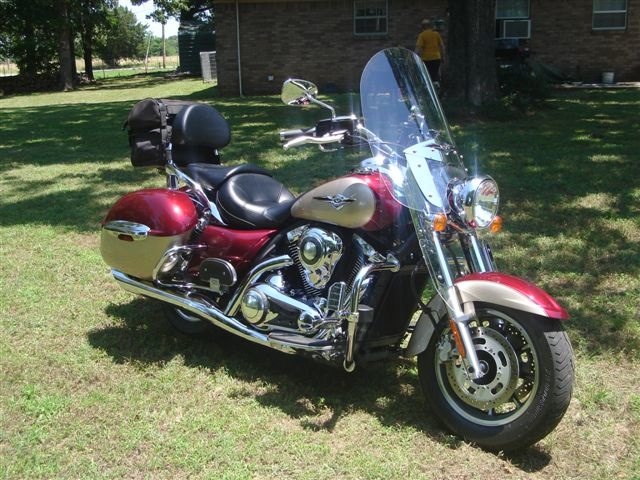
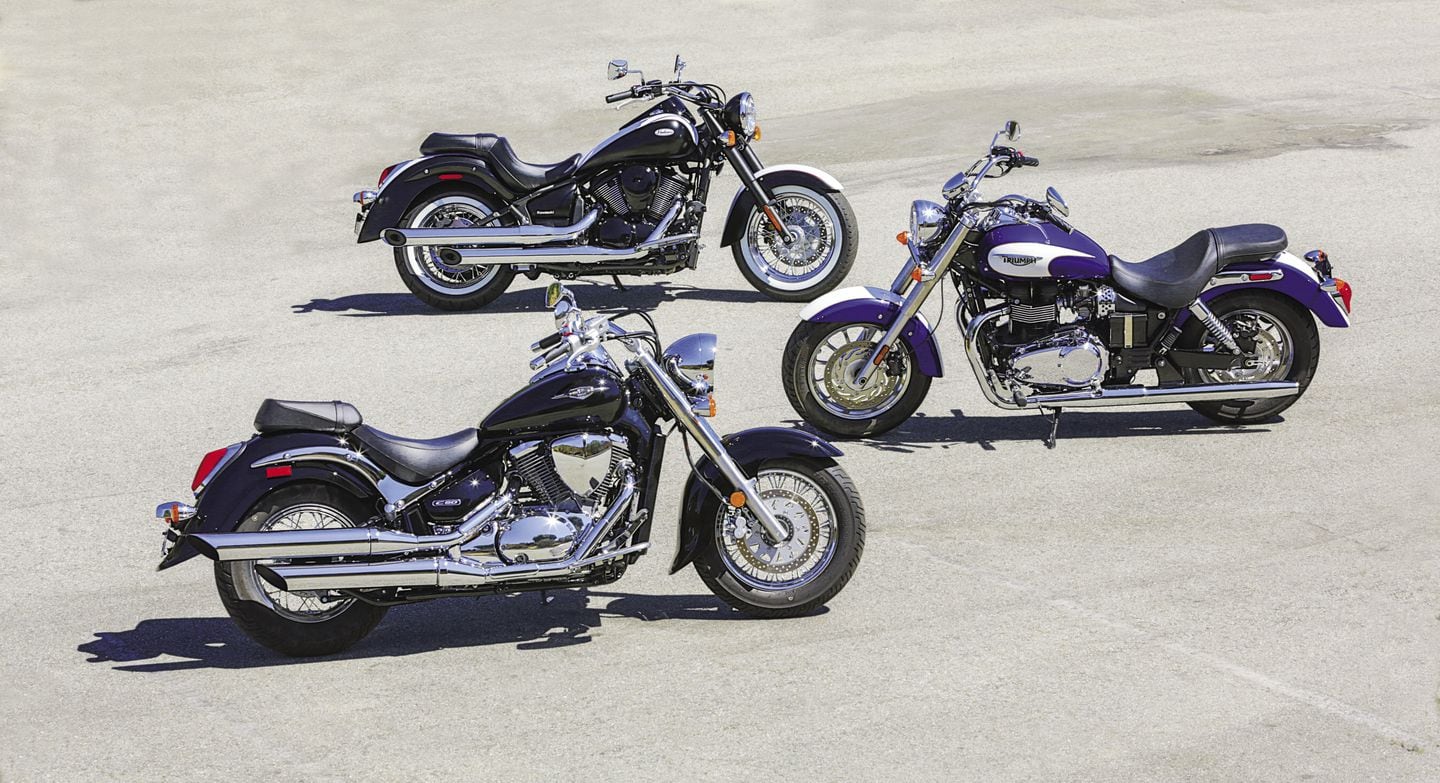
At first glance, the visual language of a cruiser speaks volumes about its maker’s ethos. The Kawasaki Vulcan 900 boasts a muscular, aggressive silhouette with sculpted tank lines and a minimalist, flowing frame that appeals to riders craving a sportier edge without forsaking classic cruiser traits. Its matte and metallic finishes breathe a modern vibe into the traditional cruiser scene.
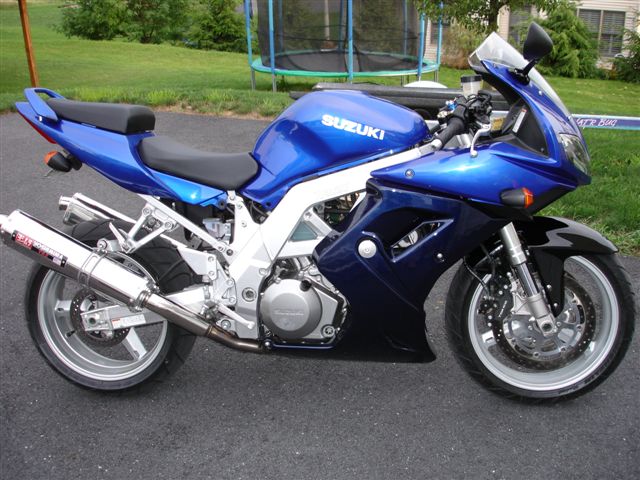
Conversely, the Suzuki Boulevard C50 epitomizes the quintessential American cruiser archetype, with chrome-laden components, bulbous fenders, and a voluptuously padded seat that beckons long-distance journeys. Its finish gleams with polishing that highlights every contour, harmonizing vintage charm and contemporary reliability.
The Yamaha V Star adopts a more subdued yet intimately elegant stance. This model’s design is defined by simplicity and functionality, featuring clean lines and restrained embellishments. Its heritage-inspired frame and subtle detailing invite those who appreciate a blend of retro aesthetics and practical craftsmanship.
Engine Performance and Mechanical Dynamics
Under the hood, the powerplants of these cruisers define their road personalities. The Kawasaki Vulcan 900 is energized by a robust 903cc parallel-twin engine known for its torquey delivery and smooth cruising potential. Its fuel-injection system ensures efficient combustion and dependable throttle response, making it a versatile mount for both urban environments and open highways.
The Suzuki Boulevard C50, powered by an 805cc V-twin, offers a more traditional thumping beat characteristic of American cruisers. The engine excels at producing low-end torque, making acceleration from standstill effortless and granting a laid-back, confident ride. Its carbureted system, though less modern in technology, adds to the nostalgic riding experience.
Yamaha’s V Star carries a slightly smaller 942cc V-twin that harmonizes power with refinement. This engine is air-cooled and features a reliable fuel injection setup, delivering strong mid-range punch and smooth freeway cruising capabilities. Its linear power curve provides predictability and encourages relaxed throttle modulation.
Chassis, Suspension, and Handling Characteristics
The chassis architecture profoundly influences how these bikes manage corners and absorb road imperfections. Kawasaki employs a steel tube frame for the Vulcan 900, which, combined with a telescopic fork front suspension and dual shocks at the rear, offers a taut yet forgiving ride. Its relatively light curb weight enhances maneuverability without sacrificing stability.
Suzuki’s Boulevard C50 relies on a double-cradle steel frame, paired with a telescopic fork and a dual shock rear setup that favors comfort and straight-line stability. While it handles urban twisties adequately, its weight distribution and suspension tuning excel in long-distance riding, absorbing bumps with a plush demeanor.
The Yamaha V Star’s frame is crafted to balance rider comfort with responsive handling. Featuring a steel double-cradle design, the suspension system includes a telescopic front fork and rear shocks that can be adjusted to suit rider preference. The bike encourages confident cornering and provides assured stability at highway speeds.
Ergonomics and Rider Experience
Ergonomics play a critical role in cruiser appeal—a factor often underestimated. The Kawasaki Vulcan 900 presents a moderately upright seating posture with slightly forward-set foot controls and wide handlebars. This configuration reduces fatigue on longer rides and enhances rider control during lower-speed maneuvers.
The Suzuki Boulevard C50 seduces riders with a low-slung seat positioned close to the ground, allowing confident footing for shorter riders and an inherently laid-back stance. Mid-mounted foot controls reinforce relaxed leg positioning, perfect for weekend cruises and urban commuting.
Meanwhile, the Yamaha V Star features a classic cruiser seating arrangement, blending a low seat height with slightly forward foot controls and pullback handlebars. This setup allows for a natural spine alignment, promoting riding comfort during extended trips and maintaining direct connection with the road.
Features and Practicality
In terms of instrumentation and accessories, each motorcycle offers different levels of sophistication. The Kawasaki Vulcan 900 integrates modern touches with a digital gear indicator, fuel gauge, and trip meters along with an analog speedometer, giving riders comprehensive information at a glance. The availability of optional hard saddlebags further enhances its touring credentials.
The Suzuki Boulevard C50 emphasizes classic simplicity with an analog speedometer and basic warning lights, capturing the retro cruiser spirit. Its standard equipment includes ample chrome accents and optional windshields, amplifying comfort and rider protection on longer rides.
The Yamaha V Star offers a clean instrument cluster with an analog speedometer and fuel gauge alongside an odometer and trip meter. Its versatility expands with options such as saddlebags, highway bars, and various customization kits, catering to those who relish personalization.
Fuel Efficiency and Maintenance Considerations
Long-term ownership involves a keen appreciation for fuel economy and maintenance demands. The Kawasaki Vulcan 900’s fuel injection system not only enhances responsiveness but also optimizes fuel consumption, earning commendable mileage in the mid-40s mpg range under mixed riding conditions. Its maintenance schedule is user-friendly, with widespread parts availability supporting affordable upkeep.
The Suzuki Boulevard C50, while carbureted, delivers reasonable fuel efficiency, averaging around 42 mpg. Its mechanical simplicity translates to straightforward servicing, though tuning the carburetor requires a degree of mechanical familiarity.
The Yamaha V Star balances fuel economy and ease of ownership. Its fuel-injected engine achieves approximately 44 mpg, with minimal tuning needed. Yamaha’s reputation for reliability in cruiser segments makes it a low-hassle candidate for riders wary of frequent workshop visits.
Customization and Community Support
All three models bask in vibrant aftermarket ecosystems and passionate owner communities. Kawasaki enthusiasts gravitate toward performance upgrades, aftermarket exhausts, and aesthetic enhancements that accentuate the Vulcan 900’s muscular character. The Suzuki Boulevard C50 enjoys a plethora of chrome accessories, leather add-ons, and retro styling upgrades that bolster its classic appeal.
The Yamaha V Star’s popularity stems from its adaptability. Riders often customize it to reflect bobber, chopper, or classic cruiser motifs, supported by a wealth of parts and expert forums. This communal embrace makes the V Star a dynamic platform for personalization enthusiasts.
Conclusion: Matching Rider Desires to Machine Identity
Each of the 2006 cruiser contenders—the Kawasaki Vulcan 900, Suzuki Boulevard C50, and Yamaha V Star—carves out a distinct niche within the mid-displacement class. The Vulcan 900 appeals to those who seek a blend of modern engineering with aggressive styling and a responsive powertrain. The Boulevard C50 provides a quintessential, no-nonsense cruiser experience steeped in tradition and chromed elegance. Meanwhile, the V Star offers versatility, balanced performance, and the opportunity for bespoke customization, catering to riders who value both reliability and individuality.
Ultimately, the choice among these three machines hinges on the rider’s priorities: whether that is raw muscular presence, nostalgic cruising comfort, or adaptable classic performance. Each motorcycle delivers a compelling chapter in the cruiser narrative, inviting motorcyclists to embark on journeys defined as much by personal expression as by the open road.