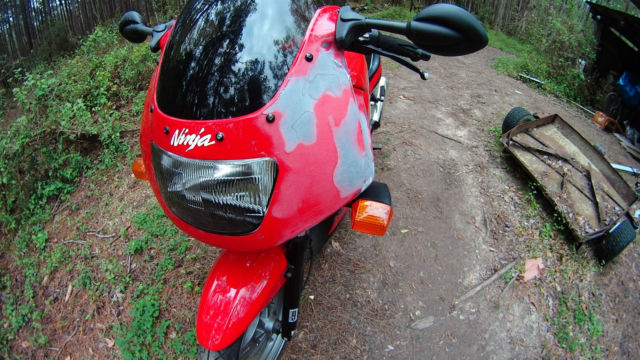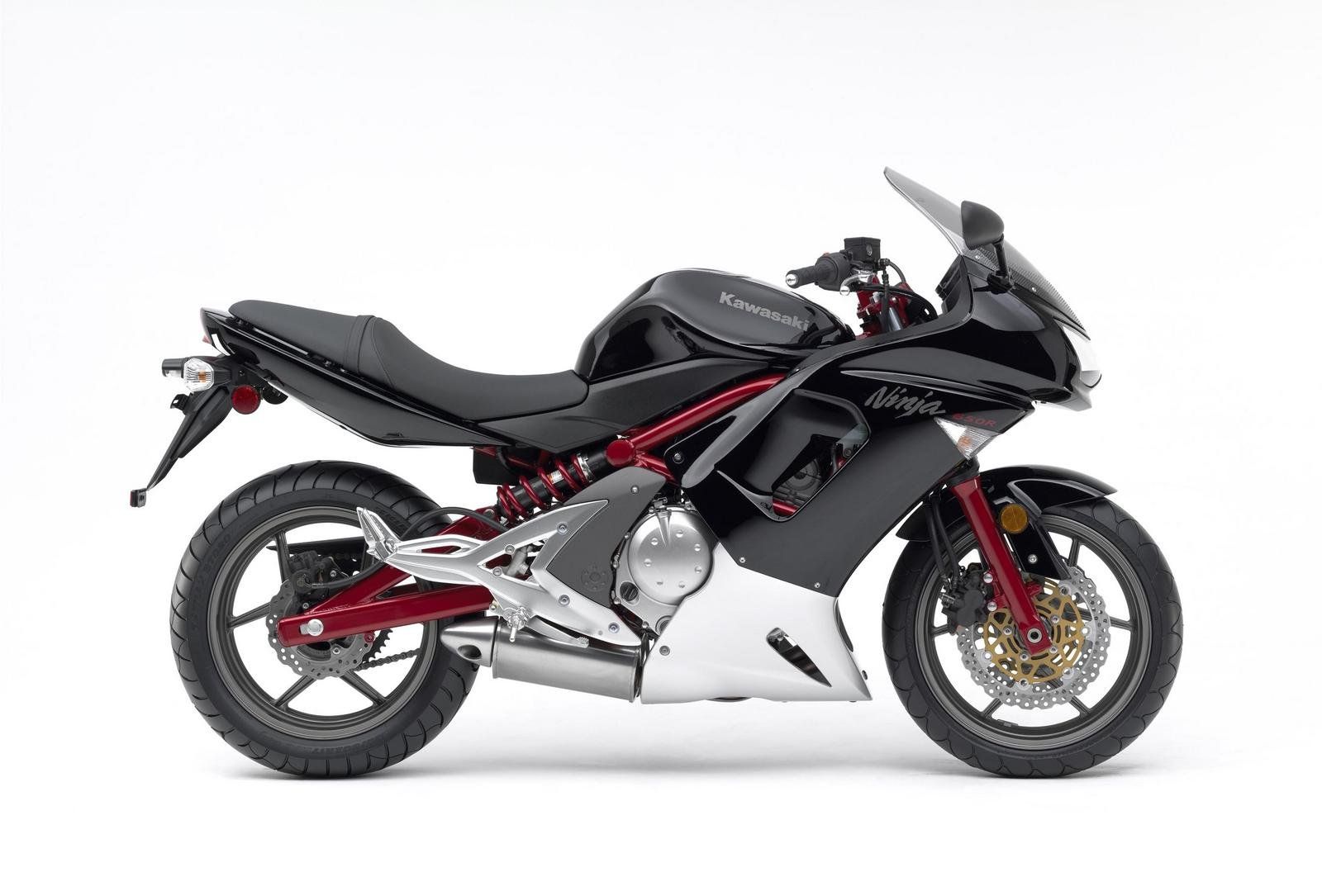
The 2006 Kawasaki Ninja 650R stands as a compelling specimen in the landscape of middleweight motorcycles, blending performance and style in a manner that has captivated enthusiasts for decades. It represents more than just a machine; it embodies an ideal balance between accessible power and everyday usability. Many riders observe this model and quickly note its distinctive agility and spirited performance, yet few pause to consider the underlying engineering and design philosophies that contribute to its enduring allure.
At its core, the Ninja 650R is powered by a liquid-cooled, 649cc parallel-twin engine. This configuration is renowned for its smooth delivery and balanced torque curve. Unlike the high-strung inline-fours that dominate the liter-bike segment, the Ninja’s twin-cylinder engine offers a more tractable and approachable powerband. Producing approximately 65 horsepower at 8,000 rpm, the 2006 iteration strikes a harmonious midpoint, delivering enough thrust to exhilarate without overwhelming the rider. This horsepower figure might seem modest compared to some contemporaries, but its true beauty lies in how this power is harnessed and translated onto the road.
Acceleration figures further elucidate this point. The 0–60 mph sprint, a benchmark often referenced by prospective owners, generally clocks in at a brisk 3.9 to 4.1 seconds for the Ninja 650R. Remarkably nimble for a mid-tier sportbike, this performance metric is a testament to Kawasaki’s adept balancing of mass, power, and drivetrain efficiency. The chassis, sculpted from lightweight yet sturdy materials, complements the engine’s output, ensuring that acceleration feels linear and controlled rather than frantic or abrupt. This intrinsic balance underlies much of the fascination riders have with the Ninja 650R: it offers an accessible entrée into sportbike enthusiasm without sacrificing spirited performance.
Top speed, another oft-discussed attribute among motorcycle aficionados, hovers around the 130 mph mark. While this may not rival the outright velocity champions of the superbike world, it situates the Ninja 650R comfortably within its intended class. More importantly, it reflects an intentional design decision—a pursuit of real-world usability rather than mere outright numbers on a dyno sheet. The bike’s aerodynamics and ergonomics, crafted with precision, allow riders to sustain high speeds with a degree of comfort rarely found in more aggressive road machines. This equilibrium between speed, comfort, and control enhances the daily riding experience, underscoring the motorcycle’s role as a versatile companion rather than a specialized track tool.
What is perhaps most intriguing about the 2006 Ninja 650R is how it occupies a psychological niche within the motorcycling community. It appeals to those who crave the rush of performance, yet remain wary of the intimidation engendered by more radical offerings. The confident yet forgiving nature of its throttle response, the manageable seat height, and the intuitive handling dynamics coalesce to form a package that lowers the barrier to entry for spirited riding. This observation hints at a deeper resonance: the Ninja 650R fulfills a latent desire among riders to bridge the gap between their aspirations and their current abilities. It symbolizes a transitional milestone, a machine capable of nurturing growth without penalizing error.
Delving deeper, the fascination with this model also stems from Kawasaki’s meticulous attention to engineering detail. The parallel twin engine employs a sophisticated balance shaft system to reduce vibrations, contributing to rider comfort on longer journeys. Its fuel-injection system, advanced for the time, ensures not only efficient combustion but also reliability across varied riding conditions. These technical nuances elevate the Ninja 650R beyond its status as a mere sportbike; it is a thoughtfully conceived machine optimized for a holistic riding experience.
The frame and suspension components further speak to the motorcycle’s balanced ethos. Built on a strong yet lightweight steel perimeter frame, the bike ensures rigidity without excessive bulk. This structural integrity translates to precise cornering and a stable ride feel, vital characteristics for both spirited escapes and daily commutes. The suspension setup, featuring telescopic forks at the front and a rear monoshock, achieves a commendable compromise—absorbing irregularities while maintaining a taut stance that inspires confidence in corners.
Tires and braking systems round out the Ninja’s equipment portfolio. Equipped with 17-inch wheels, the bike strikes a common standard that supports a wide range of tires, enhancing versatility across various road surfaces and weather conditions. Dual front disc brakes provide reassuring stopping power, complemented by a single rear disc, an arrangement well-suited to the bike’s performance envelope. The braking system’s responsiveness is integral to the rider’s sense of control, particularly when pushing the 650R to its dynamic limits.
It is this thoughtful engineering balance—a harmonious interplay between power, handling, and rider-centric design—that fuels the motorcycle’s lasting appeal. Enthusiasts often remark on the Ninja 650R’s extraordinary versatility. It is at home carving through twisty backroads, yet equally adept at managing urban traffic or weekend touring. Such adaptability broadens its fan base, drawing in novices and experienced riders alike, each finding something uniquely gratifying.
Even from an aesthetic perspective, the 2006 Ninja 650R exemplifies Kawasaki’s commitment to functional beauty. Sharp, aerodynamic fairings not only enhance visual impact but also serve aerodynamic purposes, reducing drag and contributing to the bike’s stable high-speed behavior. The seating geometry strikes a balance between aggressive sportiness and ergonomic comfort, inviting riders to engage fully with the motorcycle without fatigue. These design elements, subtle but significant, contribute to the overall emotional connection riders form with their machines.
In conclusion, the 2006 Kawasaki Ninja 650R is far more than a statistical entry in a catalog. It is a thoughtfully engineered embodiment of accessible performance and utility. Its 65 horsepower output, rapid 0–60 mph sprint, and respectable top-end speed form a triad of specifications that, while modest by some standards, reveal a sophisticated balance tuned for real-world enjoyment. The bike’s enduring fascination lies not solely in its numbers but in its capacity to satisfy dual desires: the thrill of spirited riding and the pragmatism of everyday usability.
Ultimately, the Ninja 650R captures the essence of motorcycling as an art—where engineering precision meets the human quest for freedom and excitement. It serves as a reminder that performance is not just about raw figures, but about the nuanced experience crafted between rider and machine. This interplay explains why the 2006 Kawasaki Ninja 650R continues to command admiration, long after its initial release, securing its place as a timeless classic in the hearts of motorcycling enthusiasts.