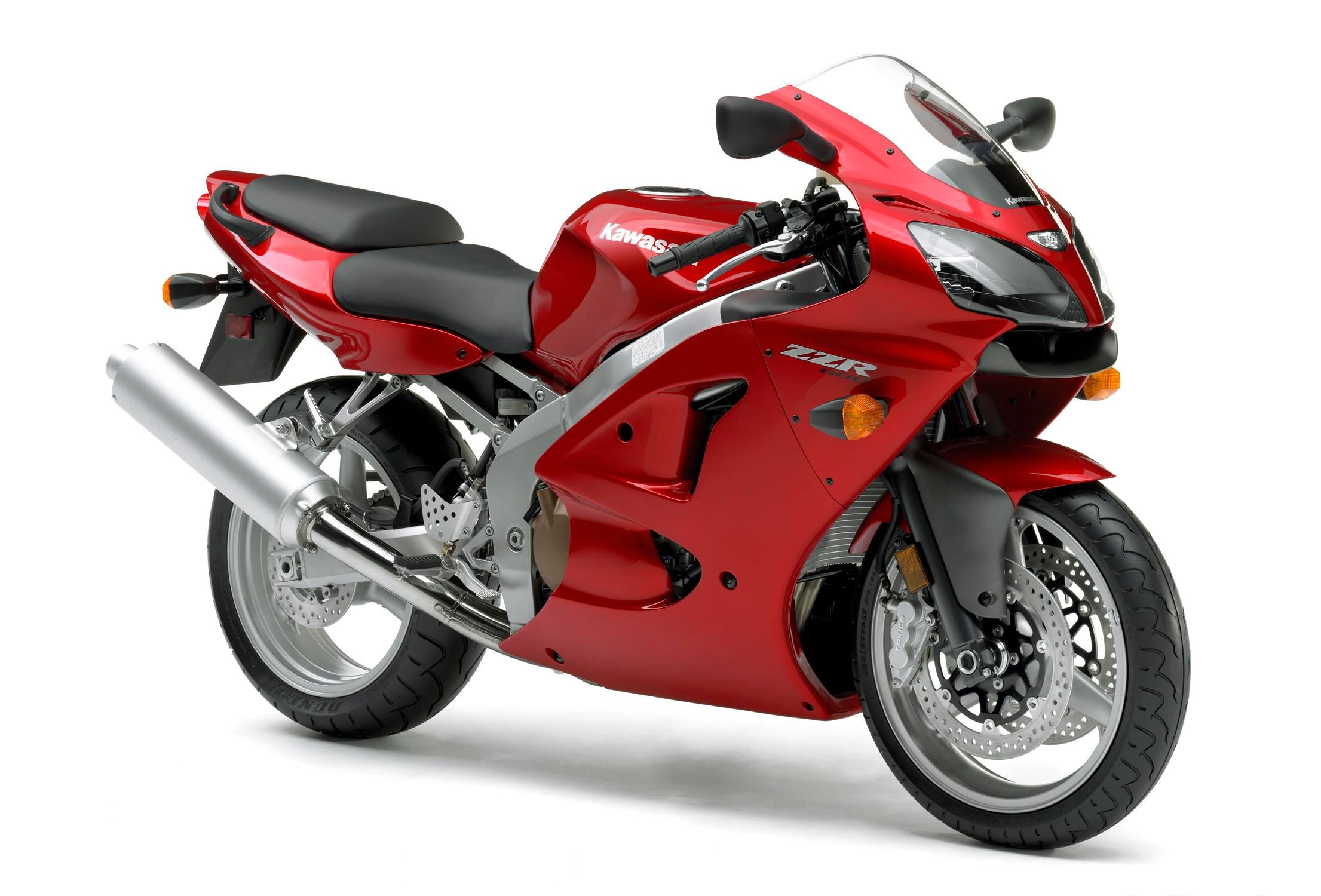
When contemplating the performance benchmarks of mid-2000s sport motorcycles, the 2006 Kawasaki ZZR600 inevitably commands attention. Revered for its blend of power, agility, and affordability, this model carved a distinct niche among riders craving a balance between daily usability and exhilarating speed. But with nearly two decades of technological evolution and ever-increasing speed records, one might wonder: does the 2006 Kawasaki ZZR600’s top speed still hold its own in today’s competitive landscape?
At first glance, especially when pitted against modern superbikes boasting advanced aerodynamics, electronic rider aids, and more aggressive power outputs, the ZZR600’s recorded top speed might seem modest. The bike achieves a velocity approximately topping out around 150 mph (240 km/h), which, by contemporary standards, falls short of the 180+ mph marks seen in today’s superbikes. Yet, this numbers game is deceptive. The ZZR600’s top speed represents not just raw velocity but a harmonious convergence of engineering philosophies from an era where rider control and balanced performance mattered significantly.
Unlike many of its contemporaries which pursued outright top-end velocity at the expense of rider comfort or street usability, the Kawasaki ZZR600 was endowed with a spirited 599cc inline-four engine that unleashed power in a way both manageable and thrilling. This powertrain, mated with a relatively light chassis just shy of 460 pounds fully fueled, renders acceleration that is brisk and composed. The result is not simply a machine built to break speed records but one engineered to offer a thrilling top speed experience accessible even to riders newer to the sport.
One of the most captivating aspects of the ZZR600’s design is its promise of agility without sacrificing speed. Its aerodynamic frame and relatively narrow profile optimally channel air, contributing to consistent high-speed stability. Unlike many modern hyperbikes that rely heavily on electronic stability control and aerodynamic wings, the ZZR600 leans on rider skill and mechanical balance, offering an undiluted connection to the roaring highway. This tactile engagement translates to a different kind of exhilaration—one where victories are shared between machine and man, rather than mediated by software.
Moreover, when reviewing the ZZR600 in the context of today’s traffic realities and legal speed limits, its top speed assumes a nuanced relevance. Modern sportbikes may blast past 180 mph with alarming ease, but the ZZR600’s maximum speed sits well within a realm that marries excitement with practical day-to-day use. This threshold enables spirited rides on open highways without courting unnecessary risk or mechanical stress, often encountered in the relentless pursuit of top speed figures. Its engine’s character is such that pushing beyond its limits is less about screaming velocity and more about the finesse of merging speed and control.
Maintenance and longevity are also facets that influence how well the ZZR600 holds its top speed prowess over time. The machine benefits from a reputation of mechanical robustness, with its engine architecture and chassis design enduring the ravages of time with relative grace when maintained properly. This longevity factor means many 2006 models remain on the road, capable of sustaining their original top speed performance phases. It’s an alluring prospect for riders who appreciate classic engineering, not just raw performance statistics.
However, it would be disingenuous not to acknowledge that the raw numbers alone cannot narrate the entire story of speed relevancy. Advances in tire technology, throttle-by-wire systems, traction control, and suspension have elevated the performance envelope for today’s machines. Modern motorcycles can harness their power more efficiently, ensuring consistency and security at extreme speeds. But therein lies the shift in perspective the ZZR600 invites—it challenges the rider to reconsider what “fast” truly means.
Fast is not solely a metric of peak velocity. It encompasses the overall riding experience, including the feedback loop between rider and machine, the predictability of power delivery, and the comprehensibility of the motorcycle’s responses at high speeds. The 2006 Kawasaki ZZR600 offers a blend of raw mechanical feedback wrapped in an accessible powertrain. For many, this “analogue” approach provides a depth of engagement often diluted in hyper-modern models.
Furthermore, the ZZR600’s top speed is intertwined with its identity as a versatile sport tourer. Its ergonomics favor less aggressive posture, allowing riders to maintain speed comfortably over extended distances. This trait enhances the bike’s practicality while preserving the pulse-quickening thrill reserved for moments when the throttle is twisted wide open. The duality serves as a reminder that speed, in motorcycling, is also about endurance and adaptability.
Revisiting the 2006 Kawasaki ZZR600 in today’s market also opens a dialogue about the niche it occupies among used motorcycles. Enthusiasts seeking a synthesis of classic sportbike aesthetics, manageable speed, and a proven engine often find the ZZR600 a compelling candidate. Its top speed remains relevant as a benchmark not only of its era’s achievements but as a reminder that speed need not always be maximal to be meaningful.
Ultimately, the 2006 Kawasaki ZZR600’s top speed stands as a testament to a bygone era—one that prioritized a balance between accessible power and rider involvement. While it may not shatter contemporary speed records, it continues to enchant and captivate. The bike’s velocity is more than a numerical statistic; it is a chapter in the evolving story of motorcycling, inviting riders to appreciate the symbiotic dance between man and machine. In an age obsessed with peak performance, this motorcycle quietly challenges us to rethink our relationship with speed—valuing finesse as much as velocity, and experience as much as numbers.