The world of New York City’s licensed rides is a labyrinth of regulations, aspirations, and unspoken rules—where every yellow cab, green Boro Taxi, and black car is a piece of a grander puzzle. At the heart of this intricate system lies the TLC (Taxi and Limousine Commission), the city’s silent guardian of order on wheels. But what happens when the rules bend, when the system flexes under pressure? Enter the OCC Specials—a term whispered in hushed tones by drivers and passengers alike, a phenomenon that dances on the edge of legitimacy, a shadow fleet that thrives in the cracks of bureaucracy. These are not your ordinary rides; they are the phantom chariots of the asphalt jungle, the unseen conductors of a parallel transit symphony.
The Genesis of the OCC Specials: A Rebellion in Motion
To understand the OCC Specials, one must first grasp the soul of the TLC itself. The commission was born from the ashes of chaos—a city drowning in unregulated cabs, a Wild West of for-hire vehicles where scams and safety were as common as potholes. The TLC emerged as the architect of order, a bureaucratic titan wielding licenses, decals, and regulations like a conductor’s baton. Yet, where there is order, rebellion festers. The OCC Specials are the feral offspring of this tension, born from drivers who refuse to be caged by the system’s red tape.
OCC stands for “Other Common Carrier”, a designation that sounds innocuous but is, in reality, a loophole carved from desperation and ingenuity. These are vehicles that operate under the guise of shared rides or pre-arranged trips, skirting the strict licensing requirements of traditional TLC-approved services. They are the chameleons of the curb, blending into the urban tapestry while operating in the gray zones of the law. Their existence is a testament to the city’s relentless pulse—a place where necessity births innovation, and innovation births its own kind of anarchy.

The Mechanics of the Shadow Fleet: How They Move Unseen
Picture this: a sleek black sedan glides through the neon-lit avenues of Manhattan, its windows tinted just enough to obscure the driver’s identity. The passenger inside is none the wiser—until they realize the ride costs half of what a yellow cab would charge. This is the modus operandi of the OCC Specials. They thrive in the interstices of the system, where apps like Uber and Lyft have already eroded the monopoly of traditional taxis, leaving behind a vacuum that these rogue operators eagerly fill.
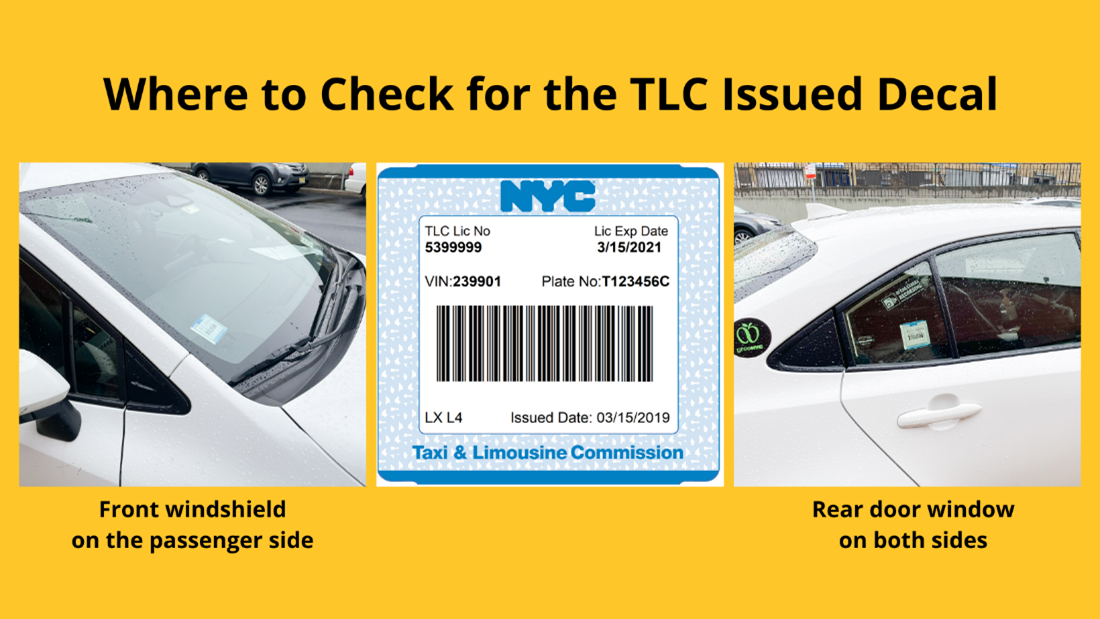
Their modus vivendi is simple yet cunning. By operating as “shared rides” or “pre-arranged trips”, they sidestep the need for TLC licenses in the same way a river carves its own path through rock. Some masquerade as livery services, others as black cars for corporate clients—all while flouting the rules that bind their licensed counterparts. The TLC’s decals and licenses become mere suggestions, not mandates, in their world. They are the phantom limb of the city’s transit body, a sensation that exists even when it shouldn’t.
Yet, their appeal is undeniable. For passengers, they offer affordability in a city where every dollar counts. For drivers, they provide freedom—the freedom to work without the shackles of TLC’s stringent regulations, the freedom to set their own rates, the freedom to disappear into the urban sprawl when the heat is on. It’s a symbiotic dance of supply and demand, where both parties benefit from the system’s blind spots.
The Allure and the Dangers: A Double-Edged Sword
Like the sirens of Greek myth, the OCC Specials beckon with promises of convenience and cost savings, but their song is laced with peril. For passengers, the risks are manifold. Without the oversight of the TLC, there is no guarantee of safety, no recourse in the event of an accident or dispute. The driver’s identity is often obscured, their vehicle’s history a mystery. In a city where trust is a currency, these rides deal in counterfeit coins—shiny on the surface, but worthless when scrutinized.
For drivers, the dangers are equally treacherous. The TLC is not a forgiving overseer. When caught operating outside the law, the penalties are severe—fines that can cripple a livelihood, impoundments that leave vehicles stranded, and bans that extinguish careers. Yet, the allure of quick cash and autonomy is a siren call that many cannot resist. It’s a high-stakes game of cat and mouse, where the city’s enforcers are the cats, and the drivers are the mice, darting through the maze of regulations with reckless abandon.
There’s also the matter of fair competition. The TLC-licensed drivers pay for the privilege of operating in the city’s controlled ecosystem—licenses, decals, background checks, vehicle inspections. The OCC Specials, by contrast, operate in the shadows, avoiding these costs and undercutting their licensed counterparts. It’s a classic tale of the haves and the have-nots, where the latter thrive by exploiting the system’s flaws. The result? A fractured transit landscape where the rules apply to some but not all, and the playing field is anything but level.
The TLC’s Crackdown: A Game of Whack-a-Mole
The city is not blind to the OCC Specials’ existence. The TLC, like a stern parent, has waged a relentless campaign to rein in these rogue operators. Undercover agents prowl the streets, posing as passengers to catch drivers in the act. Sting operations target popular pickup spots, where the shadow fleet is known to congregate. Fines are levied, vehicles are impounded, and drivers are banished—only for new ones to take their place, like hydra heads regenerating in the wake of a strike.
Yet, the crackdown is a Sisyphean task. The OCC Specials are not a monolith; they are a hydra, a many-headed beast that adapts and evolves with each new regulation. Some drivers rotate vehicles to avoid detection. Others use burner phones and temporary licenses, leaving no trace of their operations. The city’s vastness is their ally, a sprawling metropolis where anonymity is easy to maintain and enforcement is a game of whack-a-mole.
There’s a certain irony to the situation. The TLC’s crackdowns are, in many ways, a reflection of the city’s own contradictions. New York thrives on innovation and adaptability, yet it clings to a regulatory framework that is increasingly outdated. The OCC Specials are a symptom of this dissonance—a sign that the system is straining under the weight of its own rigidity. Until the TLC evolves, the shadow fleet will continue to thrive, a living testament to the city’s unyielding spirit of rebellion.
The Future of the OCC Specials: A Fading Mirage or an Enduring Legacy?
The question lingers: What becomes of the OCC Specials in the long run? Are they a fleeting anomaly, a quirk of the city’s transit history, or are they the harbingers of a new era? The answer may lie in the balance between regulation and innovation. The TLC has already begun to adapt, introducing new licensing categories and embracing technology to modernize its oversight. Ride-hailing apps like Uber and Lyft have forced the commission to confront the realities of a changing transit landscape, and the OCC Specials are another piece of this puzzle.
Yet, the shadow fleet’s future is uncertain. As the city’s infrastructure evolves—with electric vehicles, autonomous cars, and smart transit systems on the horizon—the OCC Specials may find themselves outpaced by progress. Or, they may adapt once again, carving out a permanent niche in the city’s transit ecosystem. One thing is certain: their story is far from over. They are the rebels of the road, the outlaws of the asphalt, and their legend will endure as long as the city’s streets hum with the sound of engines and the promise of freedom.
In the end, the OCC Specials are more than just a loophole or a legal gray area. They are a mirror held up to the city’s soul—a reflection of its relentless drive, its unyielding spirit, and its refusal to be confined by the rules of the past. They are the ghost riders of New York, the silent conductors of a transit symphony that plays on, unseen and unheard, in the heart of the urban jungle.