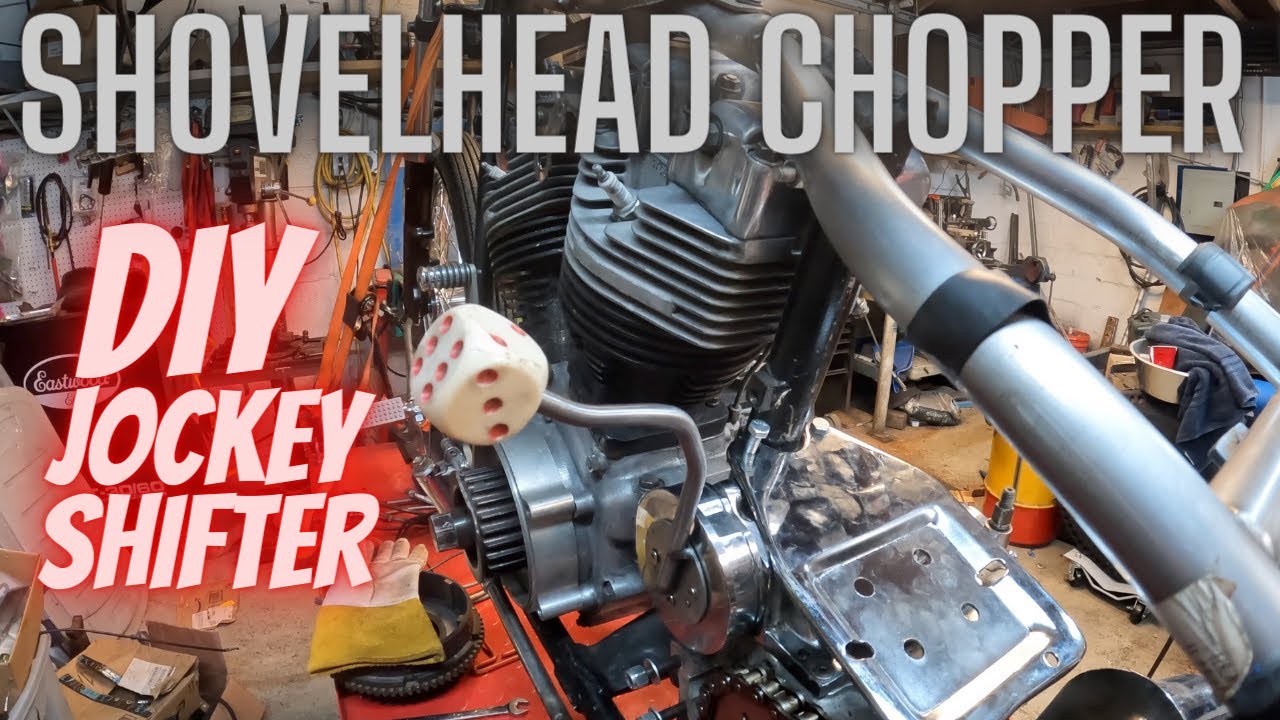
The moment your hand leaves the throttle and your foot finds the shifter, the world of the Harley chopper transforms. It’s not just a shift in gears—it’s a shift in identity. For decades, the debate between hand shifters (jockey shifts) and traditional foot shifts has divided riders, each method carrying its own legacy, its own rhythm, its own rebellion. One whispers of vintage authenticity, the other roars with modern convenience. But what if the real story isn’t about which is better—but about what each shift reveals about the rider behind the bars?
The Allure of the Hand Shifter: A Dance with the Past
Imagine a time when motorcycles were raw, unrefined machines—when shifting gears was an intimate act, a tactile conversation between rider and machine. The hand shifter, often called a jockey shift, harks back to an era when riders didn’t just drive; they *conducted*. With a flick of the wrist, gears meshed with a metallic sigh, and the chopper responded like a stallion answering a whisper. There’s a poetry to it, a deliberate slowness that forces the rider to engage fully. No autopilot here. Every shift is a deliberate choice, a moment of connection.
But it’s more than nostalgia. The hand shifter is a statement. It’s the choice of the purist, the builder who sees the chopper not just as transportation but as a rolling sculpture of self-expression. The linkage systems—often exposed, often gleaming—become part of the bike’s aesthetic, a mechanical ballet that onlookers can’t help but admire. And let’s not forget the sound: the *clunk* of a well-tuned jockey shift is music to the ears of those who value craftsmanship over convenience.

Yet, this romance comes with trade-offs. The learning curve is steep. New riders often fumble, their hands betraying them as they search for the right gear. And in traffic? Forget it. The hand shifter demands patience, a luxury few modern riders possess. But for those who master it, the reward is unparalleled: a bike that feels like an extension of the rider’s will, a machine that responds not just to commands, but to *intent*.
The Foot Shift: The Modern Rider’s Silent Command
Now, picture the opposite: a rider’s boot pressing down on a shifter, gears clicking into place with the precision of a metronome. The foot shift is the language of efficiency, of muscle memory, of seamless motion. It’s the choice of the commuter, the long-hauler, the rider who values flow over friction. No fumbling. No hesitation. Just a quick tap, and the chopper glides forward, its power harnessed without a second thought.
This isn’t just about speed—it’s about liberation. The foot shift frees the hands for throttle control, for braking, for signaling. It turns the act of riding into a symphony of multitasking, where the rider’s body becomes a well-oiled machine. And in a world where every second counts, that’s no small thing. The foot shift is the silent partner in the rider’s dance, allowing them to focus on the road, the wind, the horizon—rather than the mechanical minutiae of shifting.
But here’s the twist: the foot shift isn’t just practical. It’s also a canvas for innovation. Modern aftermarket shifters—lightweight, adjustable, ergonomic—let riders fine-tune their experience. Want a shorter throw? A smoother click? It’s all possible. The foot shift evolves with the rider, adapting to their needs rather than demanding conformity. It’s democracy on two wheels: adaptable, accessible, and endlessly customizable.

Yet, even this convenience has its critics. Purists argue that the foot shift distances the rider from the machine, turning a tactile experience into a rote motion. And in a world where everything is automated, is there still room for the raw, unfiltered connection that the hand shifter offers? The debate rages on, but one thing is clear: the foot shift isn’t just a tool—it’s a philosophy. It’s the choice of those who see the chopper as a partner in motion, not a relic to be worshipped.
The Clash of Philosophies: Which Shift Defines You?
At its core, the hand shifter vs. foot shift debate is a clash of philosophies. One values ritual, the other values rhythm. One demands mastery, the other demands adaptability. But what if the real question isn’t which is better—but which one *speaks* to you?
Consider the builder who spends months fabricating a custom linkage for their jockey shift. Every weld, every bolt, every adjustment is a labor of love. This isn’t just a bike; it’s a manifesto. It says: “I value the past. I value the struggle. I value the connection.” On the other hand, the rider who opts for a foot shift might be saying: “I value the ride. I value the road. I value the freedom to go anywhere, anytime.”
And then there’s the hybrid rider—the one who keeps a foot shifter for the daily grind but secretly longs for the day they’ll install a hand shifter, just to feel the machine breathe beneath their fingertips. Because here’s the truth: the shift isn’t just about gears. It’s about identity. It’s about the story you want to tell, the legacy you want to leave behind.
So, which will it be? The deliberate, immersive experience of the hand shifter? Or the effortless, adaptive flow of the foot shift? The answer isn’t in the mechanics—it’s in the soul of the rider. And that, perhaps, is the most thrilling part of all.
The Unseen Impact: How Your Shift Shapes Your Ride
But let’s dig deeper. The choice between a hand shifter and a foot shift doesn’t just affect how you ride—it shapes how you *feel* when you ride. The hand shifter forces you to slow down, to savor the moment, to engage with the machine in a way that’s almost meditative. It turns a ride into an experience, a journey into a pilgrimage.
On the other hand (pun intended), the foot shift liberates you. It lets you cover ground quickly, to chase horizons without the burden of mechanical distraction. It’s the choice of the explorer, the nomad, the rider who sees the road as a path to discovery rather than a puzzle to solve.
And then there’s the social aspect. A hand shifter is a conversation starter. It’s a nod to tradition, a wink to the old-school builders who paved the way. A foot shifter, meanwhile, is unassuming—it lets the rider blend in, to focus on the ride rather than the mechanics. Which one aligns with your personality? Are you the showman or the silent rider? The builder or the wanderer?
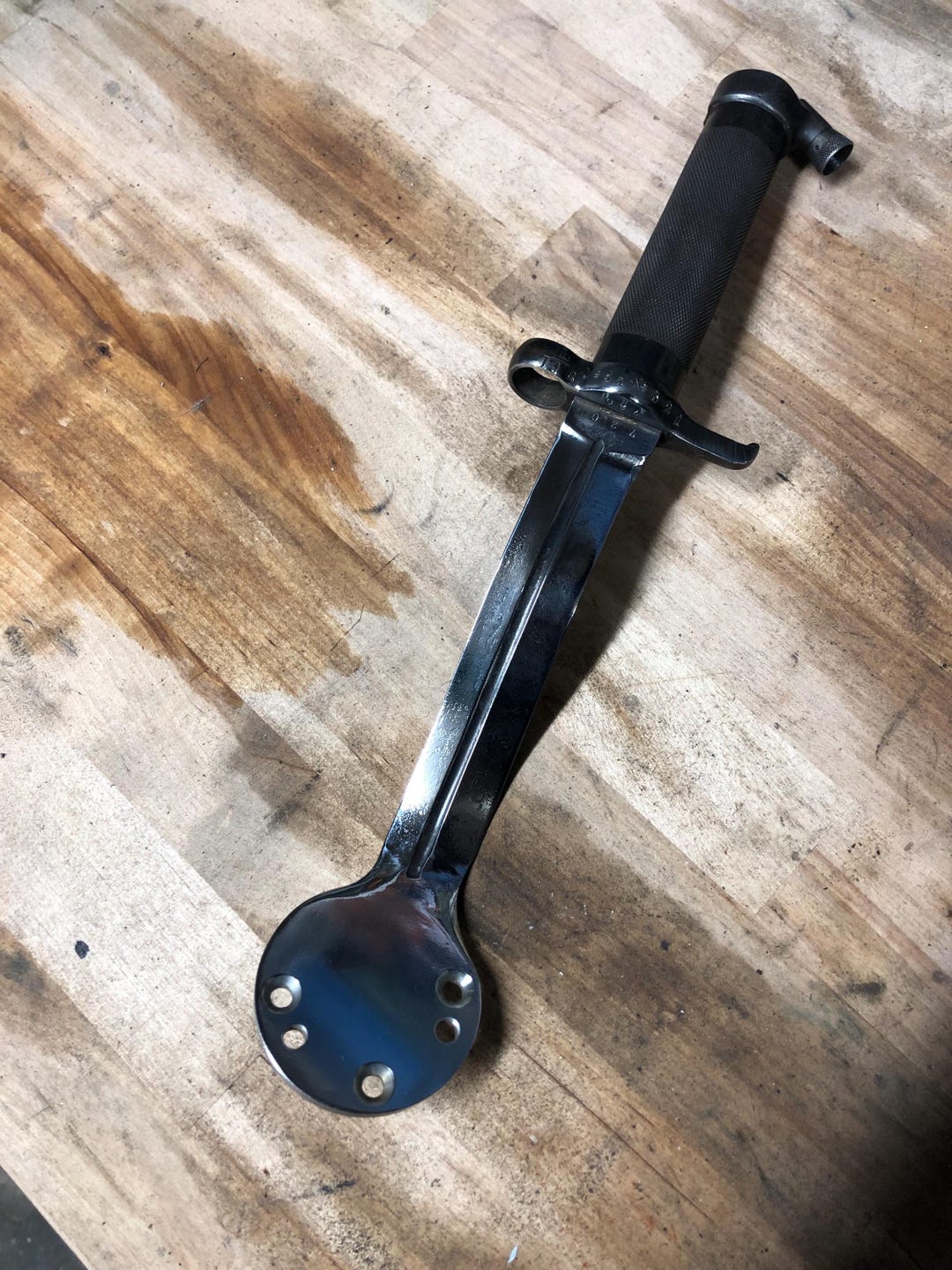
The unseen impact of your shift choice extends beyond the ride itself. It seeps into your riding style, your confidence, even your posture. A hand shifter rider sits taller, their hands always ready, their focus unwavering. A foot shifter rider moves with the bike, their body flowing in sync with the machine’s power. Which one feels like *you*?
Breaking the Mold: When Tradition Meets Innovation
But what if the future isn’t about choosing one over the other—but about blending them? Some builders are experimenting with hybrid systems, where a hand shifter can be engaged for low-speed maneuvering while a foot shifter takes over on the open road. It’s a bold fusion of old and new, a testament to the idea that the best solutions often lie in the gray areas.
And then there’s the rise of electronic shifting, where buttons or paddles on the handlebars control the gears with the press of a finger. It’s the ultimate in convenience, the antithesis of the hand shifter’s tactile charm. But is it still *riding*, or just driving with two wheels? The debate will only grow louder as technology advances.
So, where do you stand? Are you a traditionalist, clinging to the past? A modernist, embracing the future? Or a rebel, forging your own path? The beauty of the chopper world is that there are no wrong answers—only the answers that resonate with *you*.
The Final Shift: What Will You Choose?
The road ahead is long, and the choices we make—whether on the shifter or in life—define who we are. The hand shifter offers a connection to the past, a reminder that every ride is a story waiting to be told. The foot shift offers freedom, a way to move through the world with grace and efficiency. And the hybrids? They offer a glimpse into the future, a world where tradition and innovation coexist.
So, the next time you swing your leg over a Harley chopper, ask yourself: What kind of ride do I want? Do I want to feel the machine, to hear its gears sing, to become one with its rhythm? Or do I want to glide, to flow, to let the road unfold beneath me without a second thought?
The answer lies in your hands—or your feet. Choose wisely. The road is waiting.