Introduction
Purchasing a motorcycle helmet can be a daunting task, especially with the plethora of options available in the market. Arai helmets stand out due to their exceptional craftsmanship and commitment to safety. This guide will delve into the salient features of Arai helmets, providing insights into safety standards, fit, and cutting-edge technology, ensuring that you make an informed decision.
1. Understanding Helmet Safety Standards
When it comes to helmets, safety is paramount. Arai helmets are crafted to exceed rigorous safety standards. Globally recognized certifications such as DOT (Department of Transportation), ECE (Economic Commission for Europe), and Snell Memorial Foundation are fundamental benchmarks when assessing a helmet’s protective capabilities. Arai continuously innovates, often going beyond these standards to ensure maximum protection. Their helmets are frequently subjected to more demanding testing protocols, solidifying their reputation for safety.
2. The Importance of Fit
Achieving the perfect fit is indispensable for both comfort and safety. A helmet that moves or shifts during a ride can significantly diminish its protective qualities. Arai emphasizes a snug yet comfortable fit, employing various sizes and shapes to accommodate diverse head types.
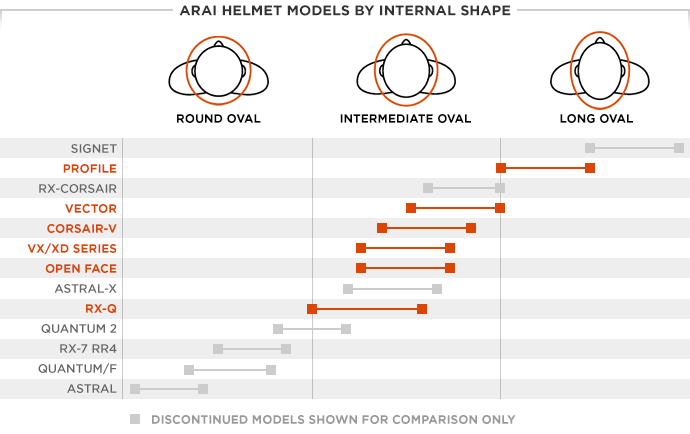
The head shape plays a pivotal role in this equation. Arai offers different models designed for different head shapes, including round, intermediate oval, and long oval. Requesting a fitting at a local dealership is advisable, allowing for personalized guidance. During the fitting, you should consider the following:
- Size: Utilize Arai’s sizing chart to find your head circumference. Remember that a correctly sized helmet should feel firm but not painfully tight.
- Padding: Over time, the plush interior padding may compress. Arai helmets often have adjustable interior components to allow for some degree of customization.
- Strap Adjustment: The chin strap must be securely fastened without causing discomfort. A loosely fitted helmet undermines its purpose.
3. The Anatomy of Arai Helmets
Arai helmets comprise various components, each meticulously designed to enhance safety and comfort. Here are key elements:
- Outer Shell: Made from a proprietary formulation, Arai helmets feature a multi-composite shell that strikes a balance between lightweight and impact resistance.
- Impact-Absorbing Liner: This strategic layer, often made of EPS (expanded polystyrene), is engineered to dissipate energy upon impact, reducing the risk of head injury.
- Ventilation System: Arai helmets are equipped with sophisticated ventilation channels that enhance airflow, keeping riders cooler on hot days. This system helps prevent fogging on the visor.
- Face Shield: The visor employs high-quality plastics that offer clarity and UV protection. Some models include a dual-pin system that maintains a secure fit while allowing for easy removal.
4. Innovative Technologies
Arai integrates advanced technologies into their helmet designs, providing riders with an edge in both safety and functionality:
- Facial Contour System (FCS): This technology optimizes fit and comfort, ensuring the helmet hugs the rider’s head properly while mitigating pressure points.
- Emergency Release System: Arai helmets are designed with a quick-release mechanism for the cheek pads, facilitating swift removal in case of emergencies without causing further head injury.
- PB e-FRP Construction: Arai’s proprietary outer shell technology combines strength and flexibility, allowing for controlled deformation during impacts.
- Diffuser Technology: The helmet’s rear diffusers manage the airflow effectively, promoting stability at high speeds while minimizing buffeting.
5. Choosing the Right Model
Arai offers a diverse range of helmet models tailored to meet different riding styles and preferences:
- Full-Face Helmets: Ideal for sport and touring riders, these helmets provide maximum coverage and protection.
- Modular Helmets: Offering versatility, modular helmets allow riders to lift the chin bar for convenience without removing the entire helmet.
- Off-Road Helmets: Designed with a visor for increased visibility and improved airflow, these helmets cater to the adventurous spirit of off-road riders.
- Open-Face Helmets: Perfect for cruisers, these helmets allow for a more open riding experience, balancing protection with a sense of freedom.
6. Maintenance Tips for Longevity
Proper care and maintenance can significantly extend the life of your Arai helmet. Follow these guidelines:
- Cleaning: Regularly clean the outer shell with a mild soap and water solution. Avoid abrasive materials that can scratch the helmet.
- Storage: Keep the helmet in a cool, dry place away from direct sunlight, as prolonged exposure to UV rays can degrade the materials.
- Replacing Pads: If the interior pads feel worn or lose their effectiveness, consider replacing them to maintain comfort and fit.
Conclusion
Investing in an Arai helmet is not merely a purchase but a commitment to safety and quality. By carefully evaluating factors such as fit, safety standards, and innovative technologies, you empower yourself to select the ideal helmet that aligns with your riding aspirations. Ultimately, choosing an Arai helmet ensures that you ride with confidence, knowing your protection is of paramount importance.