In the world of electric mobility, the battle for supremacy rages on—a contest where speed, efficiency, and range intermingle. Among the myriad of contenders, electric motorcycles stand as the resplendent phoenix of the two-wheeled realm. Yet, the alluring promise of these sleek machines often feels encumbered by an invisible chain—battery energy density limits. This conundrum ensures that despite the tantalizing allure, the electric motorcycle is perpetually edged out in the race for mass adoption. Understanding this intricate relationship between battery technology and performance is akin to disentangling a web spun by a master arachnid.
1. The Essence of Energy Density
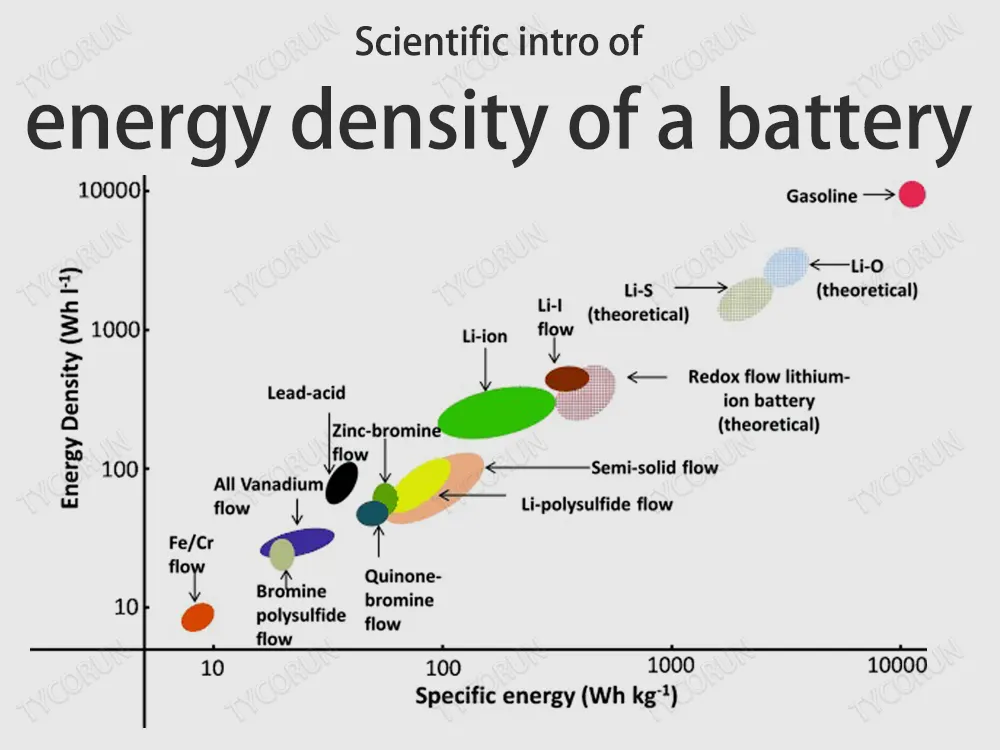
At its core, energy density is the measure of how much energy can be stored in a given volume or weight of battery material. Imagine the battery as a reservoir—a lake that stores rainwater. The larger and deeper the reservoir, the more water (or energy) it can hold. Current battery technologies, primarily lithium-ion, have made significant strides. Nevertheless, they still exhibit energy densities that leave them gasping in the face of internal combustion engines, which typically boast a far greater energy per unit mass. In other words, they are the ocean compared to the battery’s humble pond.
2. The Weighty Issue of Range Anxiety
Range anxiety is the specter that haunts every prospective electric motorcycle owner. As gas stations dot the landscape, electric charging stations appear sporadically, much like oases in a desert. Currently, electric motorcycles struggle to offer the range that riders expect and desire. Consider the implications: a battery equating to the size and weight of a small boulder to achieve a mere sense of security on long rides. While advancements are underway, the energy density of batteries limits the distances electric motorcycles can traverse without needing a recharge, inevitably curtailing their practicality in everyday use.
3. The Balancing Act: Power versus Weight
The design of electric motorcycles is a fine balancing act; akin to walking a tightrope strung high above the ground. A heavier battery reduces overall agility and responsiveness, two traits that are quintessential to the rider’s experience. On the flip side, a lightweight battery often compromises power output. This dichotomy leaves manufacturers trapped in a complex puzzle of optimizing weight, size, and power. In this dance of dichotomies, the pursuit of higher energy density has never been more critical. The charge that results from a breakthrough could send electric motorcycles soaring high, much like an eagle reclaiming the skies.
4. Charging Speed: The Eloquent Snail
In an age where speed reigns supreme, the stillness of an electric motorcycle tethered to a charging station is a poignant reminder of the limitations posed by current technology. Charging times for electric motorcycle batteries can feel interminable, often requiring hours—a sense of urgency enveloped in an embrace of snail-like progression. Fast-charging technologies are emerging, seeking to alleviate this concern, yet the underlying energy density still shackles growth. Each moment spent tethered to the grid subtracts from freedom, morphing the once exhilarating ride into a mundane wait.
5. The Sustainability Dilemma
Sustainability, the clarion call of the modern age, echoes through the corridors of electric vehicle development. While electric motorcycles emit zero tailpipe emissions, the production and disposal of batteries pose challenging environmental questions. Most lithium-ion batteries are inherently finite in their resources, and their extraction often induces significant ecological footprints. The cycle of life for these energetically dense reservoirs must align with holistic sustainability principles, seeking not only to introduce electric efficiency but also to respect the delicate fabric of our planet.
6. Innovations on the Horizon
The tantalizing prospect of breakthroughs in battery technology is akin to an artist laboring over a masterpiece, slowly revealing strokes of genius to unveil a magnum opus. Solid-state batteries, lithium-sulfur cells, and even bio-based battery technologies promise the potential for unprecedented energy densities. Such innovations could provide a leap in performance and range, transforming electric motorcycles from aspirational toys to practical, everyday transportation. These advances are not merely a flicker on the horizon; they signify an impending revolution, a clarion resonance of potential waiting to be unveiled.
Conclusion: The Road Ahead
The road ahead for electric motorcycles is laden with potential yet fraught with challenges. As they strive to break the shackles of battery energy density limits, the intersection of technology and desire becomes more intricate than ever. Each innovation brings the promise of a day when riders can revel in the seamless freedom of electric cruising, unencumbered by the fears of range anxiety or weight limitations. By comprehending the fundamental hurdles while championing advancements, the electric motorcycle may yet soar on the winds of transformation, becoming a dominant force in the world of two-wheeled transport. The quest continues, and with it comes an exhilarating prospect for riders and innovators alike.