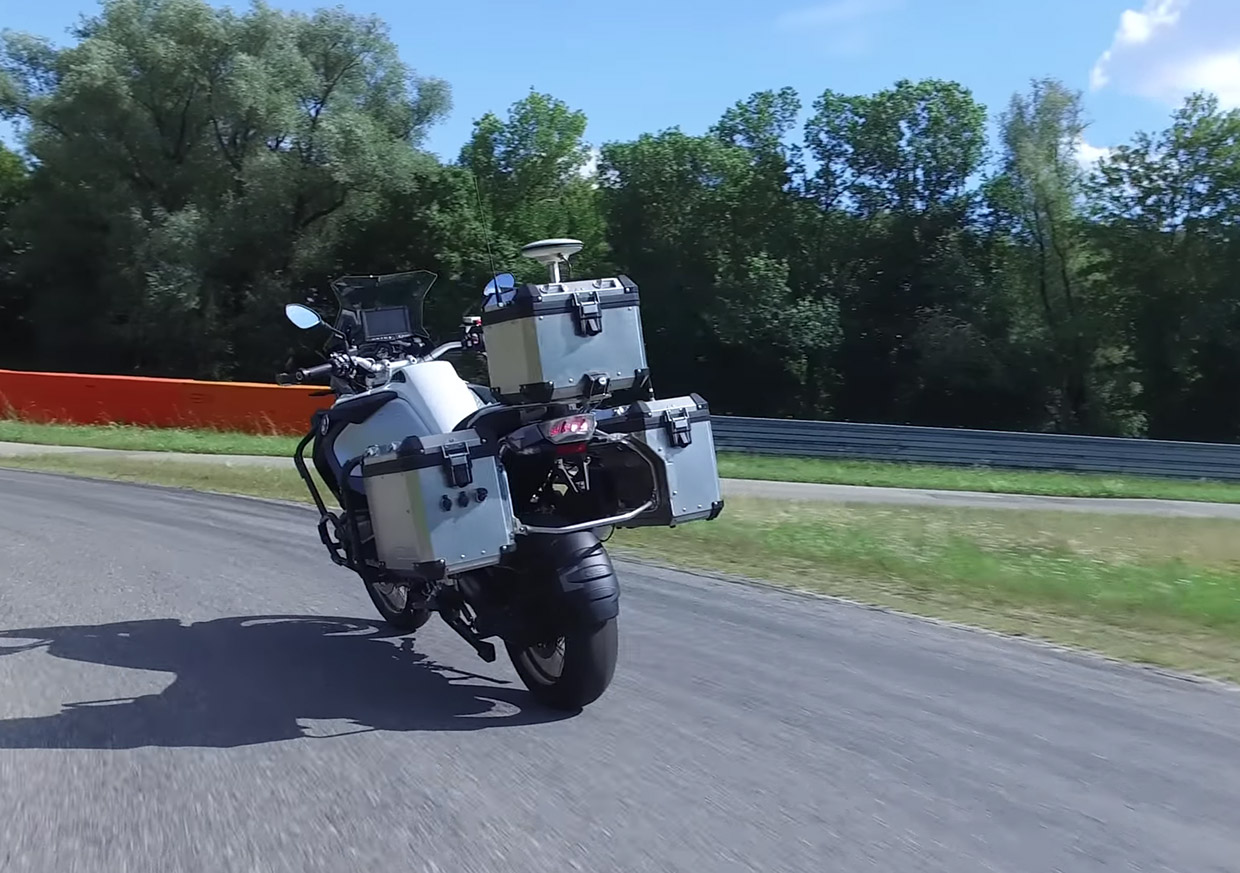
The allure of motorcycling is deeply etched in the human experience, embodying freedom, exploration, and the raw thrill of the open road. To many, the roar of an engine is akin to a heartbeat, resonating with the spirit of adventure. However, beneath this enticing surface lies a fundamental concern: the safety of riders. As technology continues to advance, the integration of autonomous features into motorcycles, such as the BMW Autonomous R1200GS Concept, heralds a transformative era in motoring. This visionary bike is not merely about self-balancing; it signifies a profound shift in how we perceive the symbiosis between man and machine.
At first glance, the BMW Autonomous R1200GS Concept captivates with its sleek design and robust aesthetics. It stands as a sophisticated representation of engineering marvel, where the traditional motorcycle encounters the future of automation. The marriage of power and intelligence is apparent in its streamlined silhouette, which conveys a sense of motion even when stationary. But what truly sets this motorcycle apart is its autonomous balancing technology, which aims to revolutionize the riding experience.
As the motorcycle culture often celebrates the skilled rider—those who navigate curves and withstand the elements—the introduction of self-balancing technology may seem at odds with tradition. It addresses a common observation: the inherent risk associated with riding. For many, the fear of losing control is a formidable barrier to entry, which can dissuade potential riders from experiencing the thrill of two-wheeled travel. The R1200GS concept not only appeals to enthusiasts eager for innovation but also targets the broader demographic of safety-conscious individuals. It hints at deeper reasons for fascination—exploring how technology can bridge the gap between pleasure and peace of mind.
The self-balancing feature is engineered through an intricate array of sensors and algorithms that monitor the motorcycle’s position and dynamics in real-time. Utilizing gyroscopic technology, the bike can adjust its orientation while moving or at a standstill, dynamically countering any force that might lead to loss of control. This capability enables riders to navigate challenging terrains, from rocky trails to slippery urban roads, with newfound confidence. The allure lies not only in the performance enhancement but also in the democratization of motorcycling, allowing individuals of varying skill levels to experience the joy of riding.
Moreover, the attraction of the BMW Autonomous R1200GS Concept extends beyond its technical performance; it feeds into the emotional narrative of risk and adventure. The self-balancing system liberates riders from the anxiety of mishaps, prompting questions about how this will reshape the culture of motorcycling. Will we witness the erosion of the “badass” image that has long accompanied motorcycle riding? Or will the technology coexist with tradition, blending the thrill of the ride with the assurance of safety?
This concept also ignites a conversation around the future of transportation as a whole. With urbanization on the rise and roadway congestion becoming an omnipresent concern, self-balancing motorcycles could provide a nimble alternative to traditional vehicles. Imagine weaving through traffic with a motorcycle that effortlessly maintains balance, encouraging a more dynamic and engaging transit experience. The implications are profound, suggesting a future where motorcycles serve not just as leisure tools but also as practical modes of transportation.
Furthermore, the integration of intelligent systems introduces an element of interactivity that could enhance the rider’s journey. Envision GPS navigation seamlessly interfacing with the motorcycle’s smart technology, offering real-time route adjustments while keeping the rider informed of potential hazards. Such features transcend mere functionality; they enrich the narrative of motorcycling with a modern twist, appealing to tech-savvy individuals who crave connectivity and convenience.
However, alongside the excitement of innovation lies a critical discourse regarding the dependency on technology. As reliance on autonomous systems increases, so does the risk of diminished rider skill. Can one truly appreciate the essence of motorcycling in the absence of the visceral connection to the machine? This raises vital questions about the balance between embracing innovation and retaining the raw, unfiltered experience that makes motorcycling so exhilarating.
Critics may posit that as motorcycles evolve into highly automated machines, the camaraderie and community built around skill and shared experiences could wane. Discussions surrounding the authentic rider experience prompt a deeper reflection on what it means to ride. Would the BMW Autonomous R1200GS Concept symbolize a loss of the soulful connection between human and machine, or could it enrich the experience by broadening access to this fascinating pastime?
Ultimately, the BMW Autonomous R1200GS Concept stands at the confluence of tradition and innovation, serving as a powerful reminder that the future of motorcycling is not solely determined by the horsepower of our machines, but also by the integration of cutting-edge technology that reflects our evolving aspirations. The balance between man and machine—past and future—is emblematic of our times, inviting us to embrace change while honoring the thrill that has defined motorcycling for generations.
In flourishing technological landscapes, the spirit of adventure persists. The BMW Autonomous R1200GS Concept not only aims to enhance rider safety and accessibility but stirs a visceral fascination with what lies on the horizon for motorcycling. As we interface with increasingly intelligent machines, one cannot help but wonder—the essence of the ride may transform, but the thirst for adventure remains timeless.