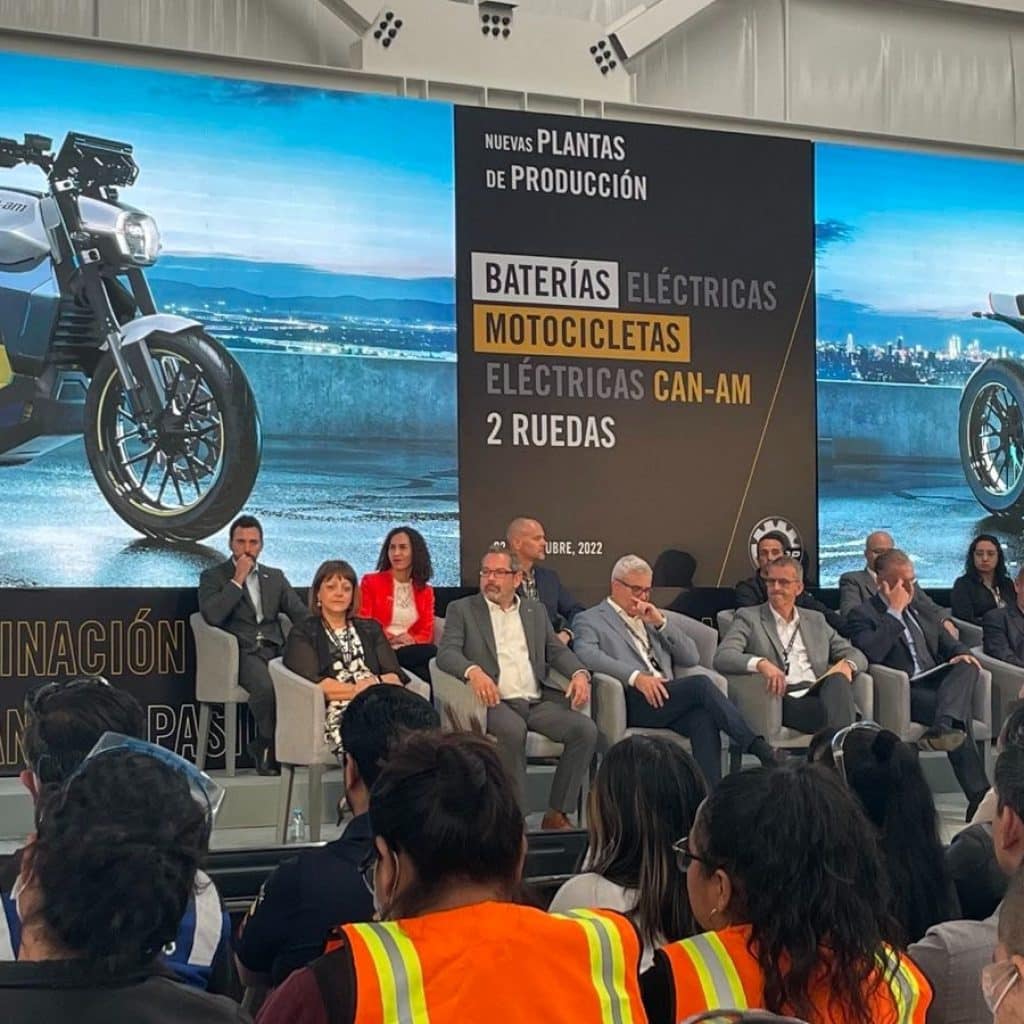
As we stand at the precipice of a monumental shift in the automotive landscape, one name has emerged as a vital player in the electric vehicle (EV) arena: BRP. Renowned for its high-performance recreational vehicles, BRP is evolving and embracing the electrification trend with its Can-Am brand. The establishment of the Can-Am electric motorcycle plant signals a profound commitment to ushering in a new era of environmentally sustainable transport. This article delves into the intricacies of the plant, its implications for the future of the electric motorcycle sector, and unveils the layers of fascination behind this transformative endeavor.
1. The Birth of the BRP Electric Motorcycle Plant
In the heart of a dynamic marketplace, the BRP electric motorcycle plant represents a significant leap toward redefining motorcycling. Strategically located, this plant is not just a factory; it is an incubator of innovation. Its architecture and design incorporate cutting-edge technologies aimed at maximizing efficiency while minimizing environmental impact. Here, traditional manufacturing meets forward-thinking methodologies, laying the groundwork for an electrified future.
2. Can-Am’s Vision for Electric Mobility
Can-Am has long been synonymous with adventure and freedom, and its pivot to electric vehicles embodies a forward-looking ethos. The vision is not merely about producing electric motorcycles; it is about creating a holistic ecosystem where sustainability does not come at the cost of performance. By integrating electric powertrains, the brand aims to retain the exhilarating ride experience while appealing to the ecologically conscious consumer.
3. Technological Innovations Driving the Plant
At the core of the BRP electric motorcycle plant lies a bounty of technological innovations. Advanced robotics ensure precision in assembly, while AI-driven processes optimize manufacturing workflows. Furthermore, an emphasis on battery technology and energy density is paramount, enabling rides with impressive ranges. Each component is meticulously designed and tested, ensuring the final product meets the high standards that Can-Am connoisseurs expect.
4. Environmental Considerations and Sustainability
In a world grappling with climate change, the BRP electric motorcycle plant is a beacon of hope. The commitment to sustainability is evident through the use of renewable energy sources in the manufacturing process. Additionally, waste management protocols are in place to recycle and repurpose materials. By adopting these practices, BRP not only positions itself as a market leader but also contributes to global efforts to mitigate the environmental crisis.
5. Market Position and Competitive Landscape
The electric motorcycle industry is burgeoning, with numerous brands vying for dominance. BRP’s Can-Am division, armed with its newly established plant, seeks to carve out a unique niche. While competitors may offer enticing alternatives, the combination of BRP’s extensive engineering pedigree and the innovative potential of electric technology presents a compelling proposition. Understanding the competitive landscape reveals the multifaceted challenges and opportunities that lie ahead for the brand.
6. Community Involvement and E-Mobility Education
Beyond manufacturing, BRP recognizes the importance of fostering a culture of e-mobility within the community. By engaging with local talent—whether through educational programs, internships, or collaborative projects—the company lays the foundation for a workforce equipped to thrive in the burgeoning electric vehicle sector. This approach not only empowers individuals but also nurtures a community deeply invested in sustainable transportation.
7. Customer Experience: Bridging the Gap
The transition from gas-powered to electric motorcycles may leave some enthusiasts apprehensive. BRP acknowledges this challenge and is committed to enhancing the customer experience. By providing comprehensive training, seamless access to charging infrastructure, and dedicated support services, the brand aims to transform apprehension into enthusiasm. This focus on customer engagement embodies a holistic approach to market penetration.
8. The Broader Impact of Electric Motorcycles
The implications of the electric motorcycle revolution extend beyond individual riders. It encompasses urban planning, infrastructure development, and shifts in consumer behavior. As electric motorcycles become mainstream, cities must adapt to accommodate the unique needs of this new mobility form. Moreover, the societal narrative surrounding automobiles is evolving, leading to increased acceptance of electric vehicles as a desirable choice.
9. Future Prospects and Challenges Ahead
While the future is bright for the BRP electric motorcycle plant and its offerings, challenges abound. Market volatility, regulatory hurdles, and technological advancements pose significant hurdles for any manufacturer. Nevertheless, with foresight and adaptability, BRP is positioned to navigate these complexities. The strategic foresight demonstrated in establishing this plant may well provide a competitive edge in an unpredictable landscape.
10. Conclusion: A Journey Towards an Electrifying Future
The BRP electric motorcycle plant is more than just a manufacturing facility; it is a testament to a broader vision of mobility, sustainability, and community engagement. As Can-Am ventures further into the realm of electric motorcycles, it encapsulates a rich narrative of innovation, performance, and environmental stewardship. The fascination behind this endeavor lies not only in the electric motorcycles themselves but also in the profound implications this shift embodies for the future of transportation. With each revolution of its wheels, Can-Am is poised to redefine what it means to ride in the 21st century, heralding an electrifying future for motorcyclists around the globe.