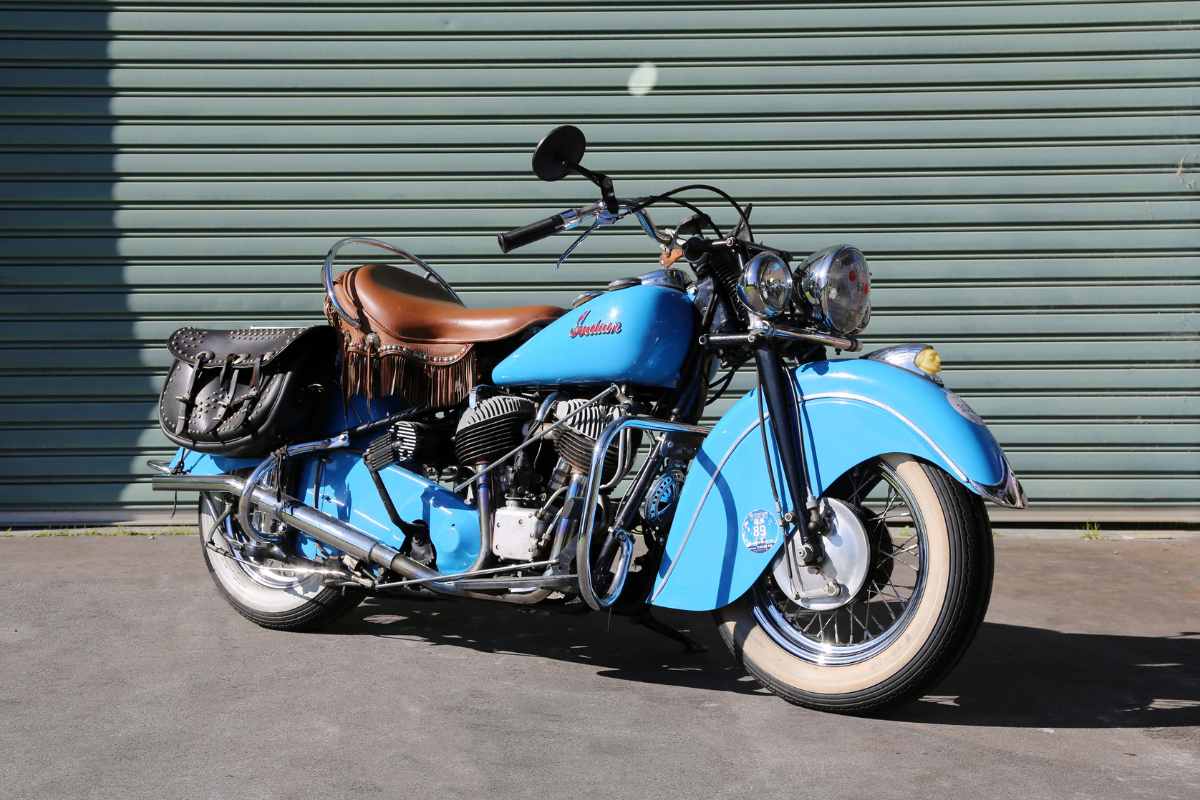
If you’re a vintage motorcycle enthusiast or a seasoned restorer, few brands evoke the same reverence as BSA (Birmingham Small Arms Company). Renowned for their remarkable engineering prowess and iconic designs, BSA motorcycles are a favorite among collectors and restorers alike. However, embarking on a restoration project can be a labyrinthine venture, fraught with potential pitfalls and unforeseen expenses. This classic BSA motorcycle restoration guide will delve into the parts costs, common challenges, and essential tips for navigating this journey.
Understanding the BSA Legacy
The rich tapestry of BSA’s history, which spans from 1910 to the early 1980s, provides a backdrop to why restoring these bikes is not merely an exercise in mechanics but also an exploration of art and history. Models such as the BSA Gold Star and the BSA A65 have captured hearts worldwide. Yet, each restoration project brings its own set of unique challenges, which must be understood before diving headfirst into the process.
Assessing the Condition of Your BSA Motorcycle
Before dismantling any component, a thorough assessment of your BSA’s current condition is paramount. This includes a meticulous examination of the frame, engine, and other critical hardware. Common maladies in vintage motorcycles can include rust, corrosion, and wear—and the extent of these ailments can drastically influence your restoration budget.
Engaging in a pre-restoration checklist can streamline this process:
- Check the frame integrity for cracks or bends.
- Inspect the engine for compression and leaks.
- Examine the wheels for trueness and tire condition.
- Assess the electrical system including wiring and components.
Documenting your findings will help you gauge the necessary parts and repairs, allowing you to estimate costs more accurately.
Parts Costs: A Breakdown
The financial implications of sourcing parts for a BSA motorcycle restoration can range from manageable to extortionate, depending on the model and rarity of the components required. Here’s a detailed overview of common parts and their typical costs:
- Engine Components: Gaskets, seals, and pistons can collectively cost between $200 to $800. OEM (Original Equipment Manufacturer) parts are ideal but can be pricier.
- Suspension: Rebuilding forks can run approximately $150 to $400, while rear shocks and springs may range from $100 to $300.
- Braking System: Expect to pay around $200 to $600 for new brake shoes, drums, and master cylinders.
- Electrical Parts: Vintage wiring harnesses might cost between $150 to $500, and components like switches and lights can add another $100 to $300 to the budget.
- Bodywork and Accessories: Finding reproduction or refurbished parts for fenders, gas tanks, or side panels can set you back anywhere from $100 to $900.
These costs can quickly accumulate, so a strategic approach to parts sourcing is essential.
Knowing Where to Source Parts
One of the joys of restoring a BSA motorcycle is the wealth of resources available for parts. However, knowing where to look can save time and money:
- Specialty Dealers: Established vendors specializing in vintage motorcycle parts often carry a wide range of BSA-specific components.
- Online Marketplaces: Websites like eBay or dedicated forums can be treasure troves for rare finds. However, diligence is necessary to avoid counterfeit products.
- Swap Meets and Vintage Shows: Attending these events can yield excellent deals, and you might strike up conversations with fellow enthusiasts who can offer invaluable advice.
Pitfalls to Avoid
The restoration journey is often replete with treacherous missteps. Here are some pitfalls that can derail your progress:
- Underestimating Time and Costs: Restoration projects invariably take longer and cost more than initially planned. Prepare for potential overruns.
- Ignoring Original Specifications: Deviating from OEM standards can lead to compatibility issues and an authentic restoration may be marred. It’s vital to maintain fidelity to the original design.
- Neglecting Safety Standards: Safety should always be paramount. Upgrading braking systems or suspension, while keeping vintage integrity, can be crucial for safe riding.
Tools of the Trade
The right tools can make or break a restoration project. A thorough toolkit is indispensable. Essential items include:
- Socket set and wrenches
- Torque wrench for precision
- Multimeter for electrical diagnostics
- Impact driver for stubborn screws
Investing in quality tools can ease the restoration process and produce professional results.
Patience and Perseverance
Ultimately, restoring a classic BSA motorcycle is an endeavor that demands both patience and perseverance. Each step reveals unique insights into the machine, fortifying your bond to both the bike and its storied past. Whether you aim for a showroom finish or a well-worn patina, every wrench turn is an invitation to tread deeper into a legacy that transcends time and connects enthusiasts in a shared appreciation of vintage craftsmanship.
With careful planning, diligent sourcing, and a keen eye for detail, your BSA restoration can evolve from a formidable challenge to a rewarding labor of love, one that you’ll cherish for years to come.