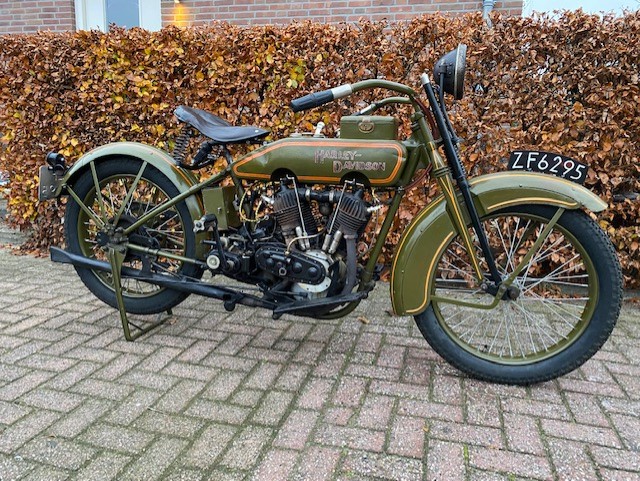
The Classic Harley-Davidson Model J, introduced in 1923, stands as an enduring icon of American motorcycling history. This machine reflects a pivotal moment when motorcycle engineering intertwined seamlessly with the burgeoning aesthetic of freedom and individuality. The Model J not only contributed to the legacy of Harley-Davidson but also shaped an entire era, representing both the spirit of innovation and the cultural fabric of its time.
Design and Aesthetics
Visually, the Model J is a masterpiece of its time. Its bold lines and robust structure exude a sense of muscular elegance. The chrome and metallic finishes were not just for looks; they signified progress in manufacturing techniques of the early 20th century. The teardrop gas tank, a hallmark of its design, accentuates the streamlined silhouette and is complemented by the distinctive fenders. The overall aesthetic is a blend of functionality and artistry, making it a sought-after object for collectors and enthusiasts alike.
Engine and Performance
At the heart of the Model J lies a 61-cubic-inch V-twin engine, generating an exhilarating 18 horsepower. This engine, equipped with an inlet-over-exhaust valve arrangement, contributed to an increased efficiency that was revolutionary for its time. The Model J could effortlessly reach speeds of up to 65 mph, a respectable figure in the 1920s. Early riders often spoke of the gratifying sensation of acceleration, combining speed with the ritual of the open road, allowing for a liberating escapade that’s hard to replicate. Furthermore, the design of the engine included advanced features, such as a reliable magneto ignition system, which ensured consistent performance under various conditions.
Technological Innovations
The Harley-Davidson Model J was not simply a product of design and aesthetic; it was a harbinger of technological innovation. The introduction of the “counterbalanced” engine was a novel approach to reducing vibration, allowing for a smoother ride. This was particularly beneficial during long-distance travels, which were becoming increasingly popular among motorcyclists. Additionally, the hand-operated clutch and foot-operated shift made the riding experience more intuitive, catering to both novice and seasoned riders. These advancements in technology beautified the riding experience, further entrenching the Model J into the fabric of American road culture.
Cultural Significance
The influence of the Model J extended beyond technical specifications; it became a symbol of freedom and rebellion during a transformative period in American history. The post-World War I era saw a surge of youth culture and the need for personal expression, and motorcycles like the Model J offered an avenue for escapism. Bikers became emblematic figures, traversing vast landscapes and portraying an ethos of adventure. The Model J, with its rugged durability and alluring design, encapsulated the wanderlust spirit that many craved during this time.
Riding Experience
Riding a 1923 Harley-Davidson Model J is akin to stepping into a time machine. The rumble of the V-twin engine and the tactile feedback from the vintage controls create a sensory experience that modern motorcycles often fail to replicate. The sound of the engine revving resonates with character, embodying a raw power that harmonizes perfectly with the wind racing past the rider. The handling is surprisingly agile, with the bike responding intuitively to the rider’s inputs, whether navigating city streets or open highways. It is a blend of nostalgia and adventure, reminiscent of simpler times when the journey mattered more than the destination.
Collector’s Appeal
For many, the Model J is not just a motorcycle; it is a cultural artifact worthy of reverence. As a collector’s piece, it represents a linchpin in Harley-Davidson’s history. Restored models can fetch significant sums at auctions, with true aficionados searching for original components to preserve authenticity. The burgeoning vintage motorcycle market appreciates these classics not merely for their function but also for the stories they carry and the legacy they represent. Owning a Model J is akin to possessing a piece of Americana, enduring and timeless.
Maintenance and Restoration
While the allure of owning a vintage Harley-Davidson Model J is undeniable, prospective owners must consider the intricacies of maintenance and restoration. Finding parts for these classic bikes can be challenging, as original components are rare and often require sourcing from specialized vintage motorcycle suppliers or custom fabricators. However, the meticulous process of restoring a Model J is rewarding. Enthusiasts often take pride in the journey, from research to meticulous restoration work, breathing new life into a bygone era. Proper care and regular maintenance are essential, ensuring longevity while preserving the bike’s vintage charm.
Conclusion
The Classic Harley-Davidson Model J is more than just a motorcycle; it is a piece of history that has significantly influenced motorcycle design, culture, and the very notion of independence on two wheels. As riders twist the throttle and embark on journeys on these vintage machines, they invoke the spirit of a generation that valued liberty and adventure above all. The Model J continues to inspire not only motorcycle enthusiasts but also those who understand the profound narratives that machines like these embody. Each ride on a Model J is an homage to the past, reverberating with the tales of those who came before.