The intricate world of internal combustion engines is a symphony of mechanical parts harmonizing to convert fuel into motion. Among these components, the crankshaft stands as a critical player, with its design and firing order profoundly impacting how an engine feels and performs. Understanding the nuances of crankshafts and firing orders illuminates why engines deliver unique sensations and behaviors, whether in a sports car or a heavy-duty truck.
1. The Fundamentals of Crankshafts: An Overview
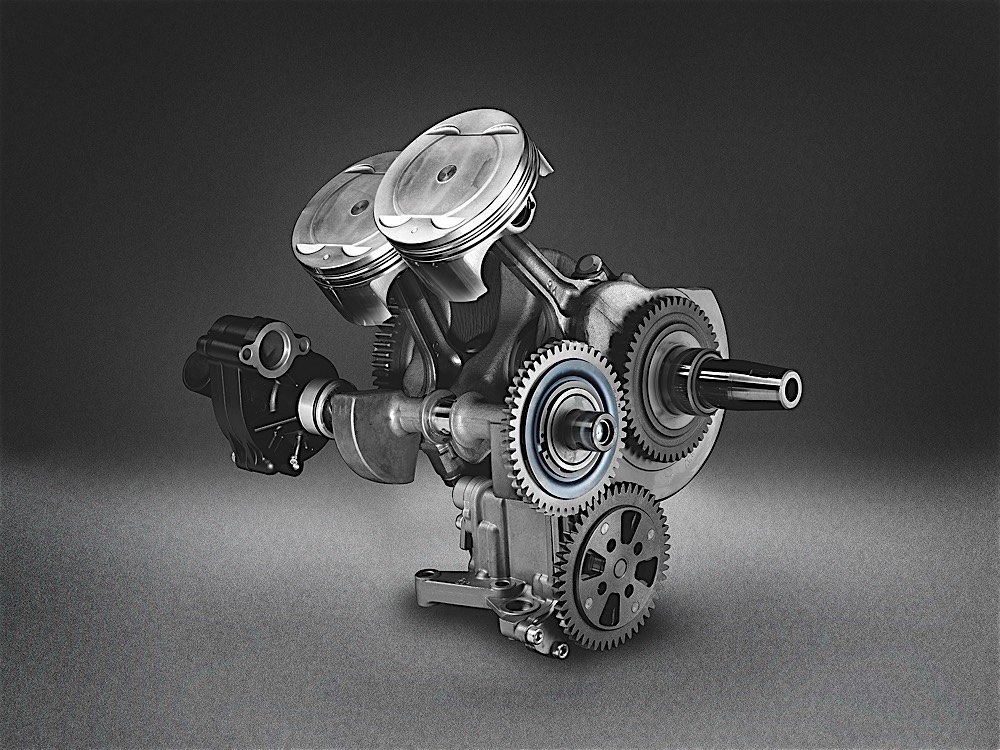
The crankshaft is a robust metallic rod that converts linear motion into rotational energy. It transmits power to the transmission, ultimately propelling the vehicle forward. Typically crafted from steel or iron, crankshafts must withstand immense stresses. Their design includes a series of offset journals, where connecting rods attach, facilitating the engine’s reciprocating motion. This seemingly simple component actually embodies a complex interplay of forces, making its engineering a fascinating subject.
2. Types of Crankshafts: Variations and Applications
Crankshafts can be broadly categorized into several types, with each variant tailored for specific engine configurations and performance expectations.
- Inline Crankshafts: Found in most four-cylinder engines, these feature a straight configuration that optimizes balance and smoothness. They are often lauded for their simplicity and ease of manufacturing.
- V-Type Crankshafts: Common in six-cylinder and eight-cylinder engines, V-type configurations can enhance power density. These crankshafts need careful balancing to mitigate vibrations that could arise from their design.
- Flat Crankshafts: Predominantly used in high-performance vehicles, flat crankshafts allow for even firing intervals. This unique setup yields a distinct sound and better exhaust scavenging, contributing to exhilarating driving characteristics.
- Pancake Crankshafts: A less common design, pancake crankshafts reside in certain aircraft and specialty engines. Their compactness allows for improved aerodynamics and weight reduction, although they are more complex to manufacture.
3. The Firing Order: Its Crucial Role in Engine Dynamics
The firing order refers to the sequence in which individual cylinders in an engine fire. This sequence plays a pivotal role in defining the engine’s performance, efficiency, and feel.
For instance, an engine with an uneven firing order may exhibit vibrations and harshness, while a well-calibrated firing sequence enhances smooth operation. Engine designers meticulously craft these sequences based on numerous factors, including balance, performance, and exhaust harmony.
4. Common Firing Orders and Their Distinctive Characteristics
Firing orders can dramatically alter how an engine sounds and feels. Here’s a closer look at some prevalent configurations:
- Firing Order 1-3-4-2 (Inline Four Engines): Often found in standard inline engines, this order provides a relatively smooth, balanced output. Since the firing events are evenly spaced, it minimizes vibrations and enhances drivability.
- Firing Order 1-8-4-3-6-5-7-2 (V8 Engines): This common sequence helps achieve optimal performance for V8 engines. The mixture of even and odd firing intervals produces a throaty growl and a feeling of immense power, appealing to performance enthusiasts.
- Firing Order 1-5-3-6-2-4 (V6 Engines): With a distinct sound and feel, this order promotes balance and smooth power delivery, despite the inherent vibrations of a V6 configuration.
- Firing Order 1-2-4-3 (Rotary Engines): Found in unique Wankel rotary engines, this firing order contributes to the engine’s characteristically high-revving nature and smooth power delivery, as the engine doesn’t follow traditional designs.
5. The Impact on Engine Performance and Feel
The choice of firing order can lead to substantial differences in engine performance and feel, from the throttle response to the acoustics. An engine that fires cylinders in a tightly managed sequence often feels more responsive, providing that instant power delivery desired by drivers. Conversely, a poorly arranged firing order can lead to lag, diminished responsiveness, and vibrations that detract from the driving experience.
6. Engine Tuning and Customization
In the world of car tuning, enthusiasts often experiment with crankshaft and firing order modifications to achieve unique characteristics. Some may opt for alternative crankshaft setups to alter firing orders in pursuit of a specific engine note or performance regime. Others may focus on balanced setups to minimize vibrations while maximizing power. Engine tuning can transform the very soul of a vehicle, making it not only a machine but a true expression of the driver’s desires.
7. Conclusion: The Art of Engine Design
Crankshafts and firing orders are integral components that define the essence of an engine’s performance and character. Each choice made by engineers impacts the vehicle’s responsiveness, sound, and overall driving experience, creating a unique tapestry that translates into the sensations felt behind the wheel. By appreciating the complexities of these mechanical wonders, enthusiasts and casual drivers alike can gain a deeper understanding of what compels them to connect with their vehicles on a visceral level.