The motorcycle landscape is evolving rapidly, blending innovation and tradition in ways that were once thought impossible. One of the most intriguing developments in this arena is the growing popularity of continuously variable transmissions (CVTs) in motorcycles. Is the future of motorcycle riding leaning towards automatic systems? Since the advent of traditional manual gear shifts, the automatic riding experience was largely the realm of scooters and lesser-powered motorcycles — but now, it is making significant inroads into more powerful machines.
The Essence of CVT Technology
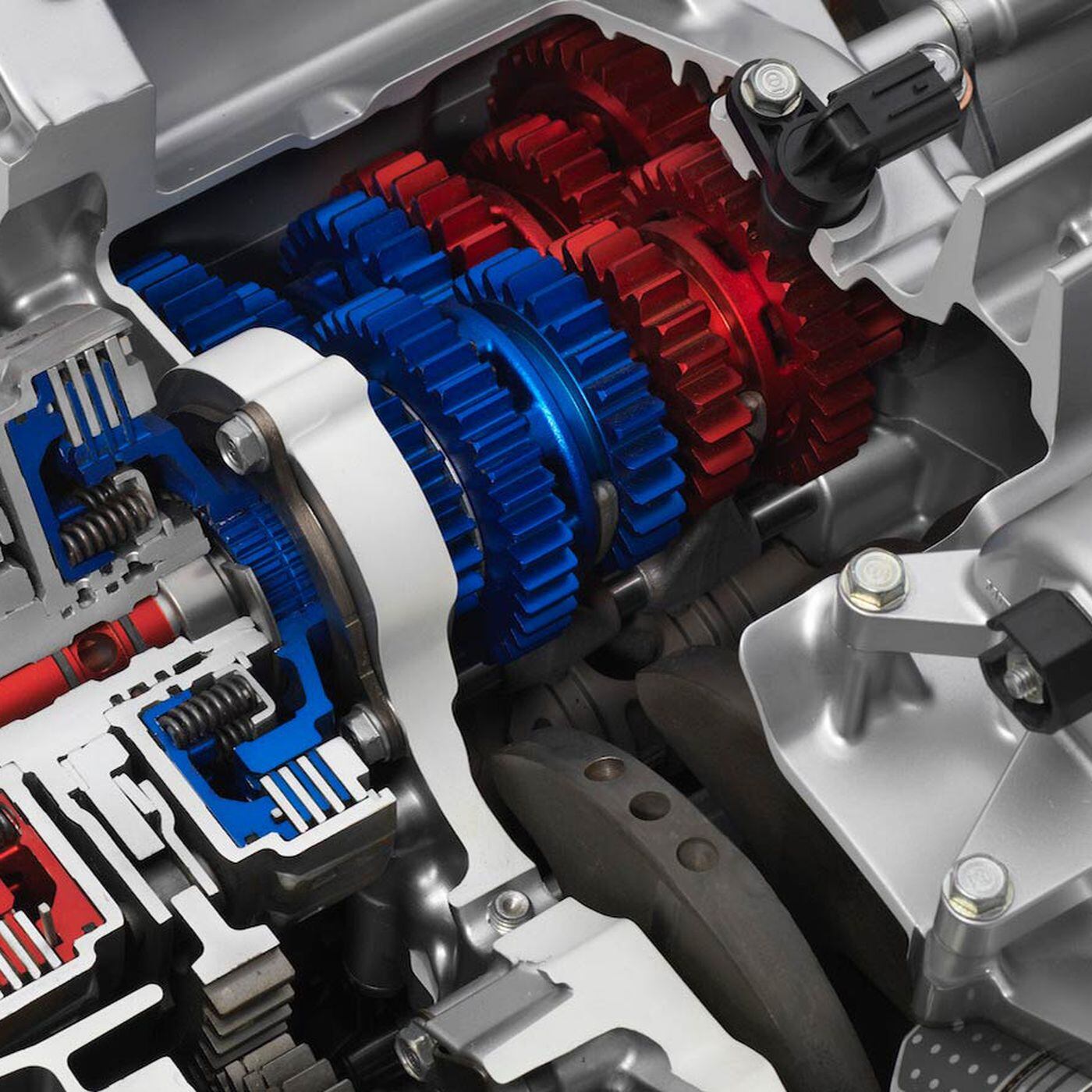
To understand CVT transmissions, it is vital to delve into their core mechanics. A CVT isn’t constrained by fixed gears; instead, it employs a system of belts, pulleys, and mechanical intuition that adjusts seamlessly for optimal engine performance. Unlike the jarring shifts of a conventional transmission, the CVT delivers a ride as smooth as butter. Imagine gliding through traffic without a single commutation, where acceleration feels seamless and responsive. But the enchantment of this technology beckons the rhetorical question: can the sheer thrill of shifting gears be sacrificed for the triumph of ease?
Historical Context
Historically, motorcycles have been synonymous with the visceral experience of manual shifting. Riders often revel in the tactile feedback of each gear change, a ritual that deepens the connection between man and machine. Early attempts at automatic transmissions in motorcycles were met with skepticism; they often fell short of delivering thrilling performance or engaging rider experience. Pioneering models like the Honda DN-01 and the Yamaha FJR1300 adopted CVT technology, but did they truly cater to the purists at heart?
However, as the industry progressed, the integration of CVTs into motorcycle design has matured significantly. Manufacturers recognized the potential advantages of CVTs not just for convenience but for enhanced efficiency and adaptability. The question remains: does the shift toward CVT diminish the thrill, or does it open a doorway to new riding experiences?
Performance and Efficiency
One of the main advantages of CVT technology lies in its performance parameters. The transmission is engineered to optimize power delivery, allowing the engine to operate at its most efficient RPM range. This translates into improved fuel efficiency and lower emissions, a vital consideration for environmentally conscious riders and manufacturers alike. As we witness urban traffic becoming denser, the traditional clutch-and-gear method can feel cumbersome, but with a CVT, riders can navigate congested streets with agility, do we dare say elegance?
In testing environments, CVT-equipped motorcycles have proven to outperform traditional models in terms of acceleration and adaptability. Whether merging onto highways or scooting through narrow lanes, the absence of gear changes allows for a fluidity previously unexplored in the realm of biking.
Comfort and Accessibility
CVTs also extend the joy of riding to a wider demographic. Novice riders, who may be daunted by the technicalities of gear selection, find solace in an automatic system that removes the barrier of entry. Older enthusiasts, or those with physical limitations, can appreciate a simplified riding experience without compromising performance. Does this democratization of motorcycle riding indicate a shift toward a more inclusive future?
The Rise of Adventure and Touring Motorcycles with CVTs
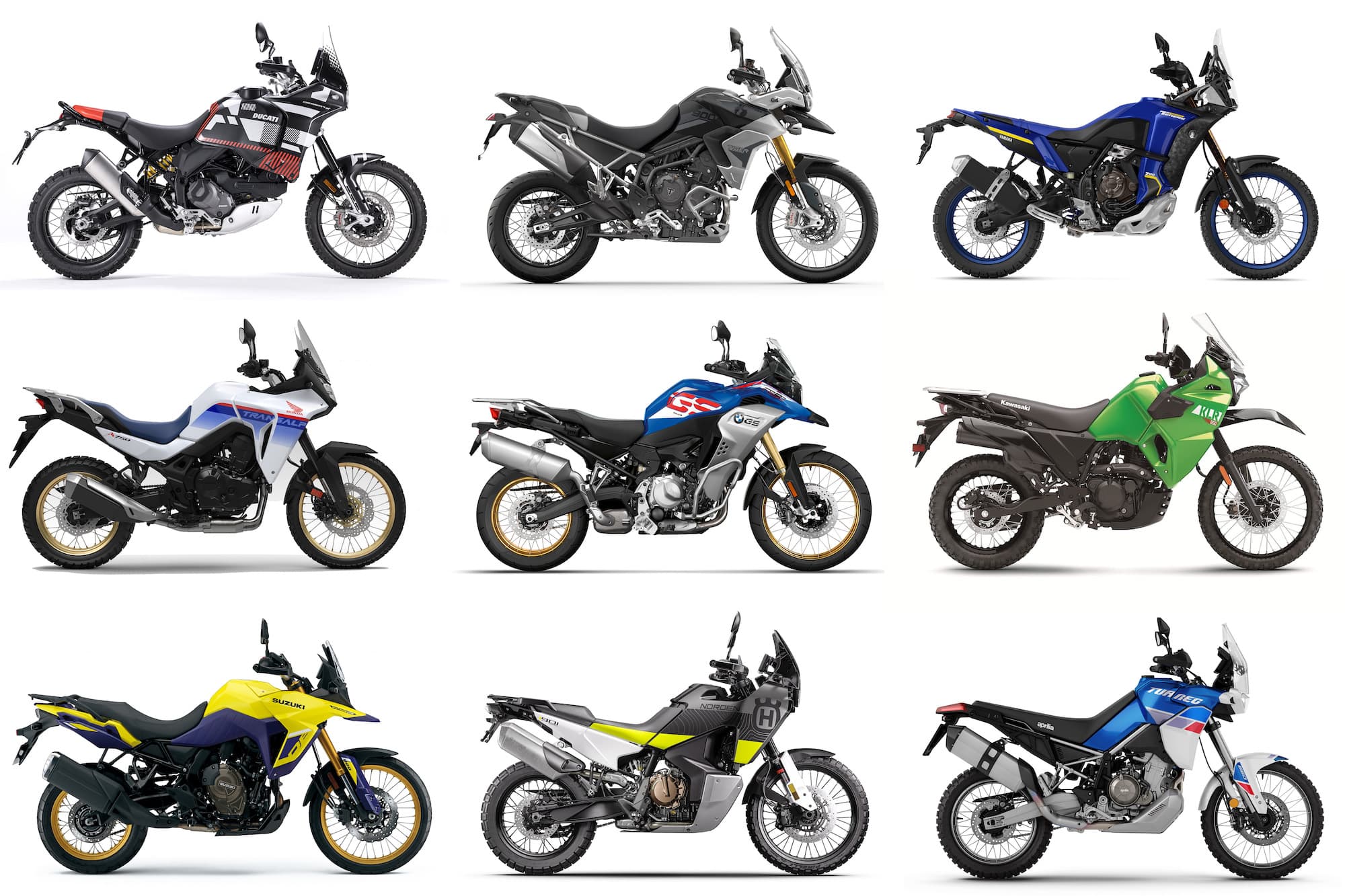
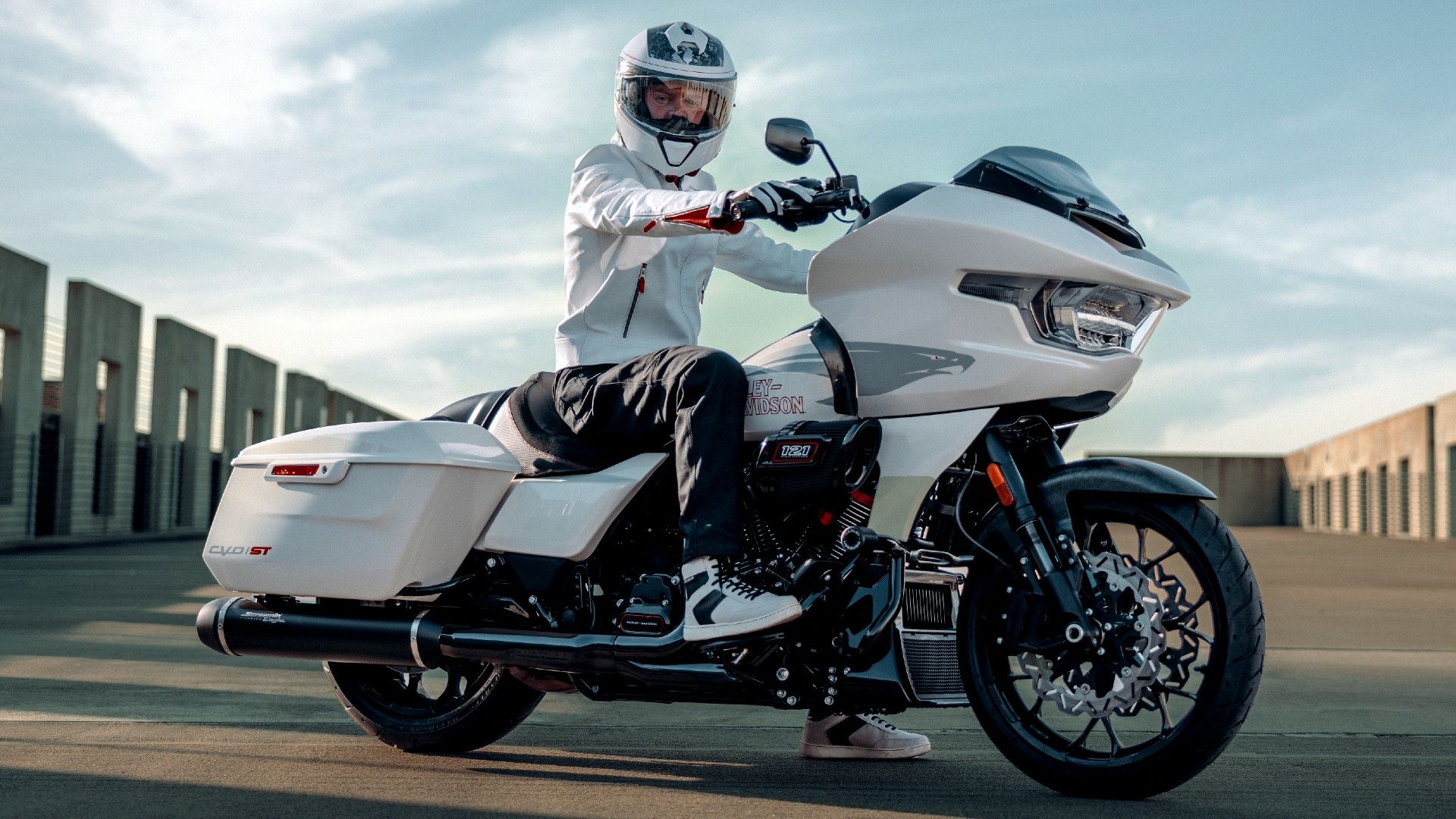
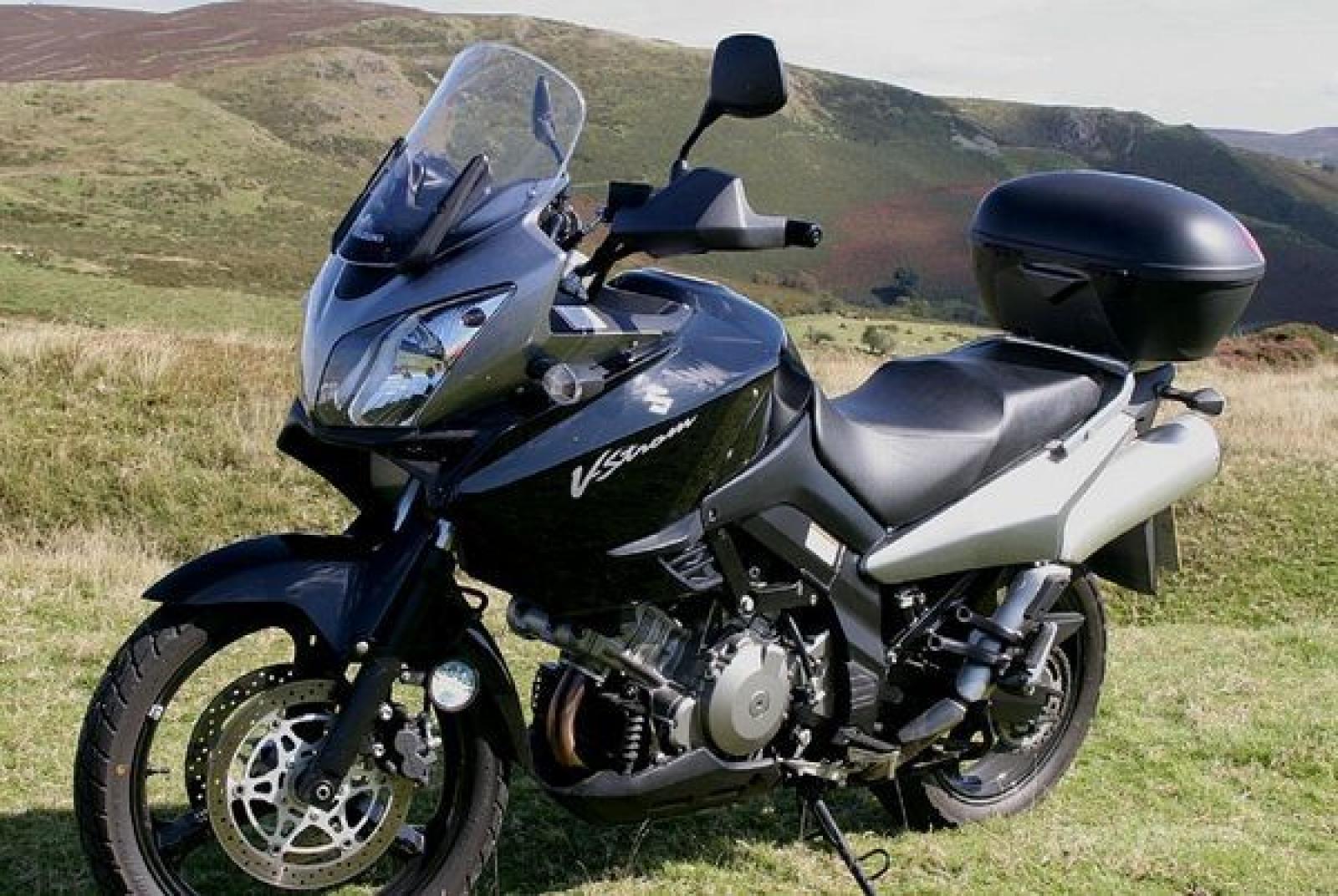
As more manufacturers embrace the concept of CVTs, the potential applications become expansive. Adventure and touring motorcycles equipped with CVT systems are emerging, designed to provide an unparalleled level of ease during long distances. Long trips often require frequent gear shifts, especially when navigating various terrains. CVT technology simplifies these demands, allowing riders to focus entirely on the journey ahead rather than the mechanics of riding. Is this evolution the answer to the quest for the ultimate touring experience?
The latest models, such as the Honda NC700X featuring DCT (Dual Clutch Transmission), exemplify how close we are to refining automation while maintaining robust performance. Such advancements showcase how manufacturers contend with the challenges of integrating CVTs into legislation, regulatory compliance, and safety standards, demanding vigilant innovation.
Challenges and Critiques
The Road Ahead
As manufacturers continue to innovate, a hybrid approach might be the most pragmatic solution, harmonizing the best attributes of manual and automatic systems. A dual-mode motorcycle, allowing riders to select between a CVT and traditional manual operation, could be the perfect compromise, catering to the diverse preferences within the riding community. Does such a combination signify the bridge to uniting opposing ideologies in motorcycling?
As we forge ahead, it becomes evident that CVT transmissions are not merely a trend but a paradigm shift in how riders experience freedom on two wheels. The fascinating interplay of technology and riding engagement prompts us to reconsider what motorcycle culture can become. With each twist of the throttle, one must contemplate the evolving spirit of motorcycling—where, indeed, will it lead us? The future of automatic riding is bright, captivating in its potential, yet filled with contrasting sentiments about tradition and innovation. The question now remains: are we ready to embrace this change, or shall we cling to the nostalgic echoes of the past?