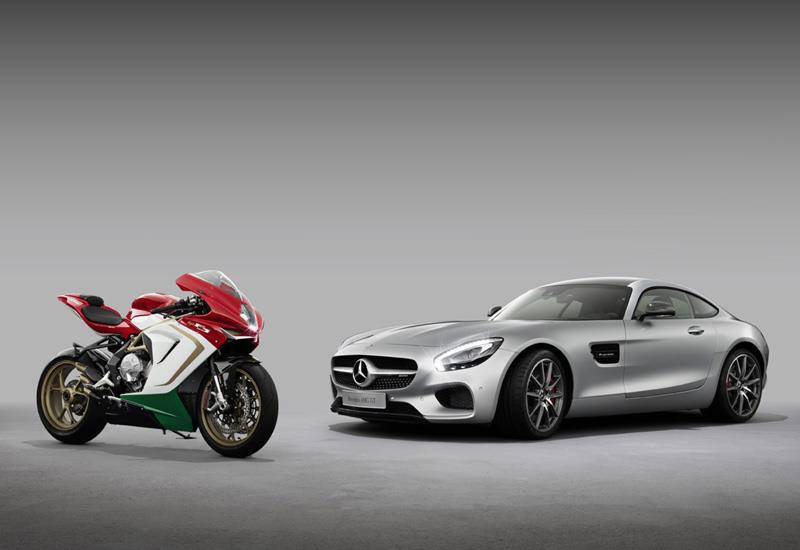
The recent partnership between Daimler AG and MV Agusta has set the automotive and motorcycle worlds abuzz with speculation and anticipation. This collaboration aims to redefine the lexicon of performance brands, merging the high-performance ethos of both entities to create unprecedented innovations in the high-speed, luxury vehicle market. In this article, we delve deep into the implications and expectations surrounding this strategic alliance, casting a spotlight on how this partnership may serve to elevate brand prestige, performance engineering, and market dynamics.
At its core, the Daimler and MV Agusta partnership is a meeting of titans. Daimler, a paragon of automotive engineering with its Mercedes-Benz brand, ceaselessly champions advancements in performance and luxury. MV Agusta, revered for its illustrious design and potent motorcycles, epitomizes the spirit of high-performance cycling. Together, they represent the zenith of both automotive and motorcycle prowess. This union signifies more than just a business transaction; it is a convergence of philosophies, engineering excellence, and the commitment to pushing boundaries.
One of the most significant components of this partnership is the potential for shared technology and R&D advancements. Daimler’s extensive resources and technological expertise can augment MV Agusta’s capabilities, enabling them to accelerate the development of cutting-edge motorcycle technologies. Imagine the integration of advanced electronic systems, lightweight materials, and hybrid powertrains. The synthesis of Daimler’s engineering capabilities and MV Agusta’s artistic innovation could yield motorcycles that outperform anything currently available, setting new benchmarks for speed, handling, and rider engagement.
Performance brands are often defined by their race heritage, and this collaboration promises to rejuvenate that aura surrounding both companies. Daimler’s rich motorsport pedigree, epitomized by its Formula One successes, paired with MV Agusta’s historical prowess in motorcycle racing, can lead to an infusion of competitive spirit into both spheres. Speculation abounds about the possibility of joint initiatives in motorsport, which would not only boost brand visibility but also translate the learnings from the racetrack directly into consumer products, allowing enthusiasts and amateurs alike to experience racing-derived performance.
Adding another layer, brand synergy between Daimler and MV Agusta results in a potential reimagining of luxury within the motorcycle sector. The ethos of luxury in the automotive realm often revolves around comfort, technology, and design—a philosophy that MV Agusta can seamlessly adopt. By leveraging Daimler’s insights into luxury automobile interiors and user experience, MV Agusta could develop motorcycles that offer not only exceptional performance but also bespoke craftsmanship, akin to that found in high-end cars. The prospect of customized motorcycles that feature cutting-edge infotainment systems, ergonomic seating, and exquisite materials could attract a new demographic of luxury motorcycle buyers.
Moreover, this partnership is poised to influence the marketplace dramatically. By combining their strengths, Daimler and MV Agusta may create a formidable competitor against other performance brands. For instance, the potential for cross-promotional efforts, joint marketing campaigns, and shared branding events could break traditional barriers, allowing both companies to reach wider audiences. This allows them to tap into different market segments, appealing to both car aficionados and motorcycle enthusiasts, a rare intersection that could catalyze a revitalized interest in performance motorcycles.
The implications extend beyond mere consumer products, as this partnership could also alter the supply chain dynamics within the performance automotive sector. By integrating their supply chains, Daimler and MV Agusta may benefit from economies of scale, leading to cost reductions that can enhance profitability. These savings might translate into more accessible price points for consumers or allow for reinvestment in further innovations, thus creating a virtuous cycle of improvement and consumer engagement.
As electric mobility gains traction in the automotive world, the partnership could spearhead efforts toward hybrid and electric motorcycle technology. The growing demand for sustainable alternatives without compromising performance creates an impetus for development in this space. Combining Daimler’s significant R&D commitment in electric technology with MV Agusta’s nimble engineering approach may yield ground-breaking electric motorcycles that meet the performance standards of today’s discerning riders while adhering to the environmental ethos of tomorrow.
This partnership heralds a new era of collaboration in the performance sector. By creating a synergistic relationship that combines the prowess of two uniquely capable brands, it invites competitors to rethink their strategies. The dynamism triggered by this alliance may lead to the rise of new benchmarks for performance standards, thus heightening competition amongst existing players in the premium motorcycle and automotive markets.
In conclusion, the Daimler and MV Agusta partnership is an intriguing development within the performance brand landscape. From shared technological advancements to redefining luxury and expanding market presence, this collaboration promises to reshape our perceptions of what performance means in both the automotive and motorcycle domains. As the world watches closely, the forthcoming innovations from this strategic alliance could very well redefine the future of high-performance vehicles, establishing new paradigms in craftsmanship, efficiency, and exhilarating riding experiences.