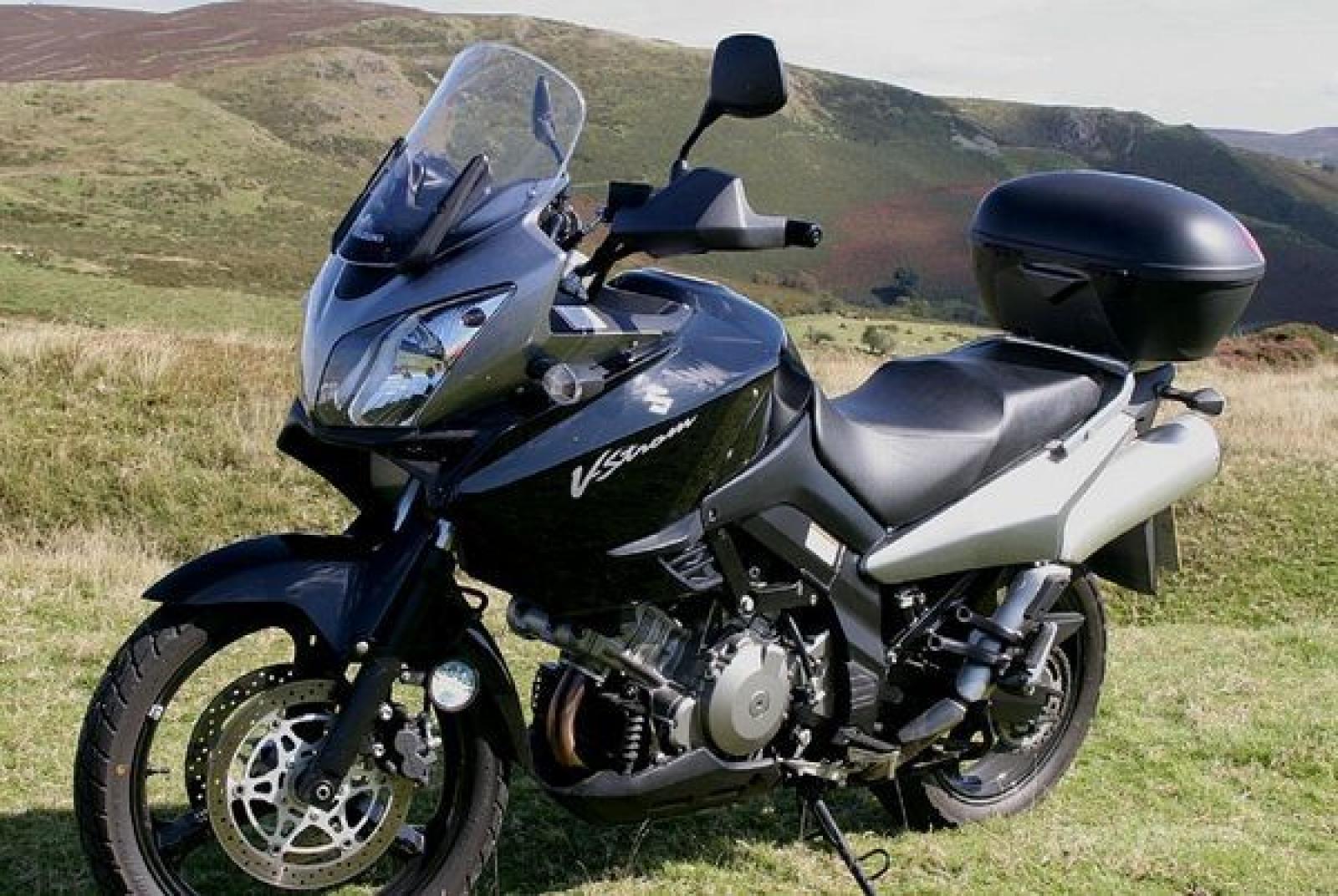
Daytona Bike Week, a jubilant celebration of motorcycling culture, typically evokes images of roaring engines, leather-clad riders, and the camaraderie of thousands trekking to the sandy shores of Daytona Beach, Florida. However, nestled beneath this vibrant facade lurk an array of safety concerns that often resurface, particularly when the thrill of racing takes a perilous turn. As excited participants prepare to immerse themselves in one of the largest motorcycle rallies in the world, understanding these latent dangers becomes crucial. This article endeavors to explore the multifaceted safety concerns associated with Daytona Bike Week, urging a deeper contemplation of the realities that accompany such high-octane festivities.
The Allure of Speed
At its core, Daytona Bike Week is synonymous with speed. The iconic Daytona International Speedway serves as the epicenter for adrenaline-fueled racing, drawing both seasoned competitors and enthusiastic novices. The intoxicating blend of horsepower and open roads cultivates an atmosphere ripe for recklessness. With riders keen to showcase their prowess, the risks inherent in high-speed racing can escalate dangerously. It’s not uncommon for participants to push their machines to their limits, sometimes ignoring fundamental safety protocols.
Alcohol and Risk: A Dangerous Liaison
The social fabric of Daytona Bike Week is woven with camaraderie and celebration, often fueled by the indulgence in alcoholic beverages. While revelers unwind and connect with fellow enthusiasts, the intersection of alcohol consumption and motorcycle operation poses one of the gravest safety concerns. Impaired judgment can lead to catastrophic outcomes. Riders who might typically exhibit caution may disregard their limitations, making intoxication a toxic contributor to road accidents. Incidences of DUI-related injuries and fatalities surge during this week, reminding all that a moment of poor judgment can lead to irreversible consequences.
Safety Gear: A Second Thought
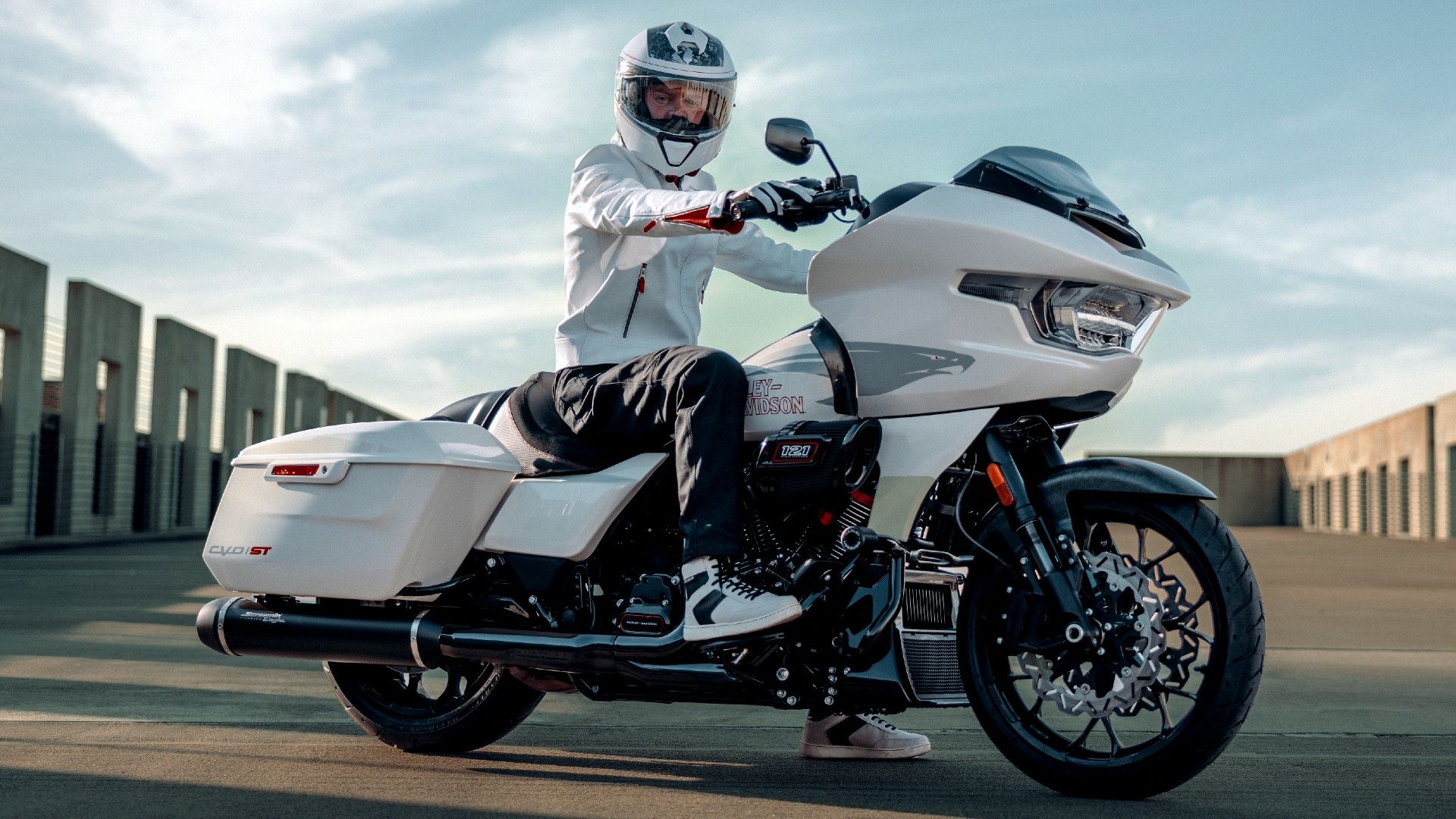
Amongst the roaring engines and loud cheers, the significance of protective gear can sometimes wane in the minds of thrill-seekers. While many riders embrace the wind with little more than jeans and a T-shirt, the lack of adequate protective clothing amplifies vulnerabilities. Helmets, gloves, and jackets designed for motorcycling can drastically reduce the severity of injuries sustained in an accident. The failure to prioritize these safety measures is an unwelcome gamble that far too many riders undertake. Emphasizing the necessity of proper gear is paramount for those navigating the dangerous landscapes of Daytona’s roads, where a moment’s inattention can result in severe outcomes.
The Road Infrastructure: A Double-Edged Sword
The allure of Daytona Beach extends beyond its scenic views to its winding roads, often beckoning riders to revel in the joy of exploration. However, fluctuating road conditions pose inherent dangers. Potholes, uneven surfaces, and inclement weather can compound the risks encountered by bikers. These variables create an unpredictable environment, where even the most vigilant riders may face peril. Regularly assessing road safety and impending weather conditions is essential, as riders must remain cognizant of the obstacles that could billow a summer breeze of enjoyment into a tempest of danger.
Group Rides: A Test of Cohesion
Amidst the sea of motorcyclists, group rides present a unique charm and thrill. Yet, the dynamics of riding in a pack introduce a kaleidoscope of risks. The potential for accidents escalates when riders fail to communicate effectively or operate in synchrony. Lack of formation awareness or a sudden deceleration can instigate chain reactions, resulting in multi-bike pileups. Group cohesion and pre-ride briefings are essential components in ensuring that these communal experiences do not metamorphose into tragic spectacles. Riders must cultivate awareness and solidarity, embracing the responsibility that accompanies group participation.
Emergency Response Preparedness
Even with extensive safety precautions, accidents are a somber reality at Daytona Bike Week. The capacity for effective emergency response can greatly influence outcomes in critical moments. In an environment brimming with participants and spectators, access to prompt medical attention is paramount. Riders often overlook the importance of familiarizing themselves with local emergency services or support networks. Engaging with trained first responders and understanding available resources serve as prudent preparedness strategies that can mean the difference between life and death when tragedy strikes.
Education and Advocacy: A Path Forward
To mitigate the tragic occurrences that sometimes befall Daytona Bike Week, a cultural shift towards proactive education and advocacy is imperative. By promoting safety awareness through workshops, seminars, and peer interactions, organizers can foster a community ethos steeped in responsibility. Riders need to embrace a collective sentiment wherein they champion safe riding practices, helmet laws, alcohol awareness campaigns, and road condition assessments. Through shared dedication to safety, the biker community can transform the experience, ensuring that Daytona remains a place of thrilling enjoyment rather than sorrowful remembrance.
Conclusion: A Call for Reflection
As the engines roar and the camaraderie thrives, it is crucial to maintain a vigilant mindfulness regarding the perils that accompany the exhilaration of Daytona Bike Week. The tragedy that can emerge from momentary lapses in judgment or inadequate preparation should provoke thoughtful introspection. This prestigious event beckons riders to embrace a dual perspective: the joy of freedom on two wheels coupled with an unwavering commitment to safety. By fostering an environment grounded in awareness and responsibility, Daytona Bike Week can continue to symbolize not only the thrilling spirit of motorcycling but also a haven for safe and enjoyable experiences.