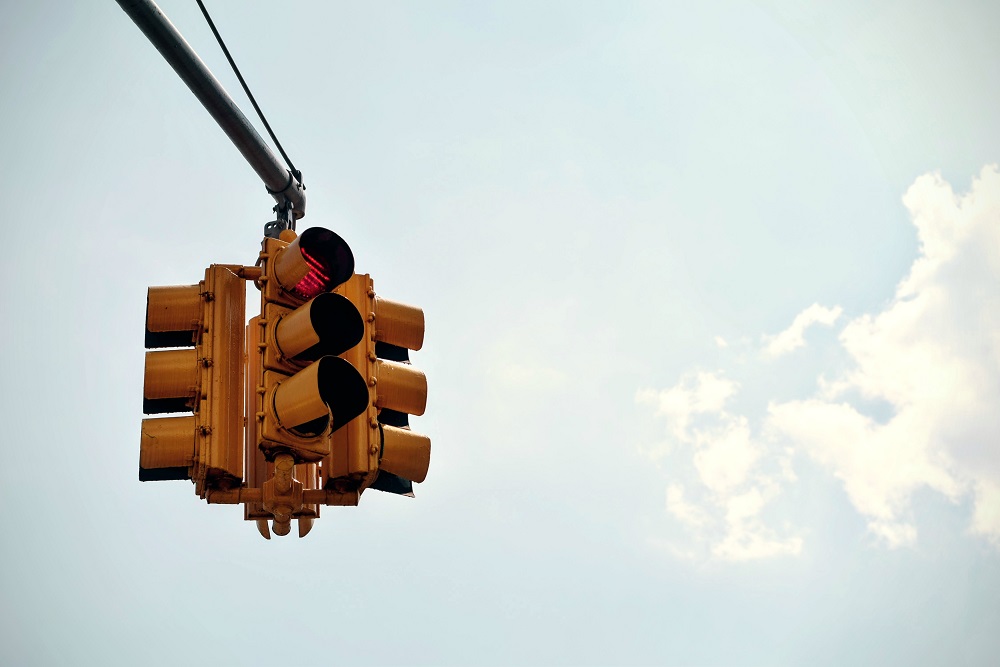
In the world of traffic signals, few concepts incite as much confusion and fascination as the “Dead Red Bill.” This legislation, primarily designed for motorcyclists, addresses the peculiar dilemmas faced at traffic signals that fail to change due to a lack of detection. Understanding the implications of the Dead Red Bill is essential for riders who navigate urban and rural intersections alike. Here’s an in-depth exploration of what motorcyclists need to comprehend regarding this fascinating yet complex subject.
1. Understanding the Dead Red Bill
The Dead Red Bill refers to legislation enacted in numerous states aimed at rectifying the conundrum of motorcycles and bicycles not being detected at traffic signals. Many traffic lights utilize induction loops that sense the presence of vehicles; however, smaller vehicles often fail to trigger these sensors due to their size. The bill permits riders to proceed through a red light after a specified duration, provided certain conditions are met.
2. The Rationale Behind the Bill
The necessity for the Dead Red Bill stems from a troubling truth: not all signals are engineered with equitable detection capabilities. Riders often find themselves stranded at red lights, waiting for a change that will not occur. This predicament leads to frustration, potentially dangerous situations, and even unnecessary traffic delays. The Dead Red Bill aims to enhance safety and mobility while promoting the rights of riders on the road.
3. How the Bill Functions
Typically, the bill outlines specific criteria for safe navigation through red lights. Riders are usually required to wait for a minimum duration, often ranging from 30 seconds to a full minute, during which they must ensure that it is safe to proceed. Moreover, laws may stipulate that riders must yield to any oncoming traffic before entering the intersection, ensuring that safety remains paramount.
4. Variances Across States
Notably, the stipulations of the Dead Red Bill are not uniform across the United States. States like Arkansas, Georgia, and South Dakota have specific provisions, while others may lack such legislation altogether. Consequently, it is crucial for motorcyclists to familiarize themselves with the rules applicable in their respective states, as misinterpretation can lead to legal repercussions or perilous situations.
5. The Intersection of Safety and Autonomy
The Dead Red Bill not only addresses an operational challenge but also encapsulates a deeper philosophical query: the balance between safety and autonomy. Riders often exhibit a sense of freedom on the open road, yet at intersections, they may find themselves bound by the limitations of traffic technology. The bill encourages autonomy while promoting accountability, allowing riders the agency to navigate intersections judiciously.
6. The Influence of Technology
As technology evolves, so too does the landscape of traffic signals. Newer systems, such as those employing advanced cameras and sensors, promise improved vehicle detection. Meanwhile, the Dead Red Bill serves as a bridge during this transitional phase. Riders should remain abreast of technological developments while also advocating for the implementation of detection systems that accommodate all vehicles, thereby reinforcing the principles of inclusivity and safety.
7. Advocacy and Rider Organizations
Numerous rider advocacy groups champion the Dead Red Bill, recognizing its significance in enhancing road safety for motorcyclists. Organizations are instrumental in lobbying for the passage of such bills, highlighting the pressing need for equitable traffic laws. Participation in these organizations not only amplifies a rider’s voice but also creates a united front, fostering awareness and supporting legislative changes across various jurisdictions.
8. Consequences of Ignorance
Failure to understand the provisions of the Dead Red Bill can have severe ramifications for riders. Legal consequences vary; some states impose fines, while others may classify the act as reckless driving. Beyond legal repercussions, there is an inherent risk of accidents stemming from miscommunication with other motorists. Knowledge equips riders to navigate intersections with confidence, reducing the likelihood of misunderstandings and, ultimately, accidents.
9. Best Practices for Riders
To navigate intersections safely while adhering to the Dead Red Bill, riders should consider the following best practices:
- Maintain awareness of the traffic environment: Always observe incoming vehicles and other potential hazards.
- Wait appropriately: Be sure to adhere to the specified time frame—typically 30 seconds—before proceeding to ensure that the signal has genuinely malfunctioned.
- Assess conditions: Before moving through a red light, conduct a thorough scan of the intersection for any signs of danger.
- Stay informed: Frequently check local traffic laws to remain aware of any changes or amendments to the Dead Red Bill.
10. The Bigger Picture
The Dead Red Bill is emblematic of broader discussions concerning traffic equity, technological innovation, and rider safety. As urban landscapes evolve and motorcycling becomes an increasingly popular mode of transportation, advocacy for supportive legislation remains crucial. A nuanced understanding of the interplay between laws and road usage reflects a commitment not only to one’s safety but also to the collective safety of all road users.
In conclusion, the Dead Red Bill serves as a vital tool for motorcyclists navigating the often fraught terrain of urban and rural intersections. A deep appreciation for legislation of this nature engenders not only safety but also promotes a culture of respect and cooperation among all drivers. As motorcycles gain prominence on the roads, understanding these laws becomes an obligation—one that empowers riders to traverse intersections with knowledge, confidence, and a sense of responsibility.