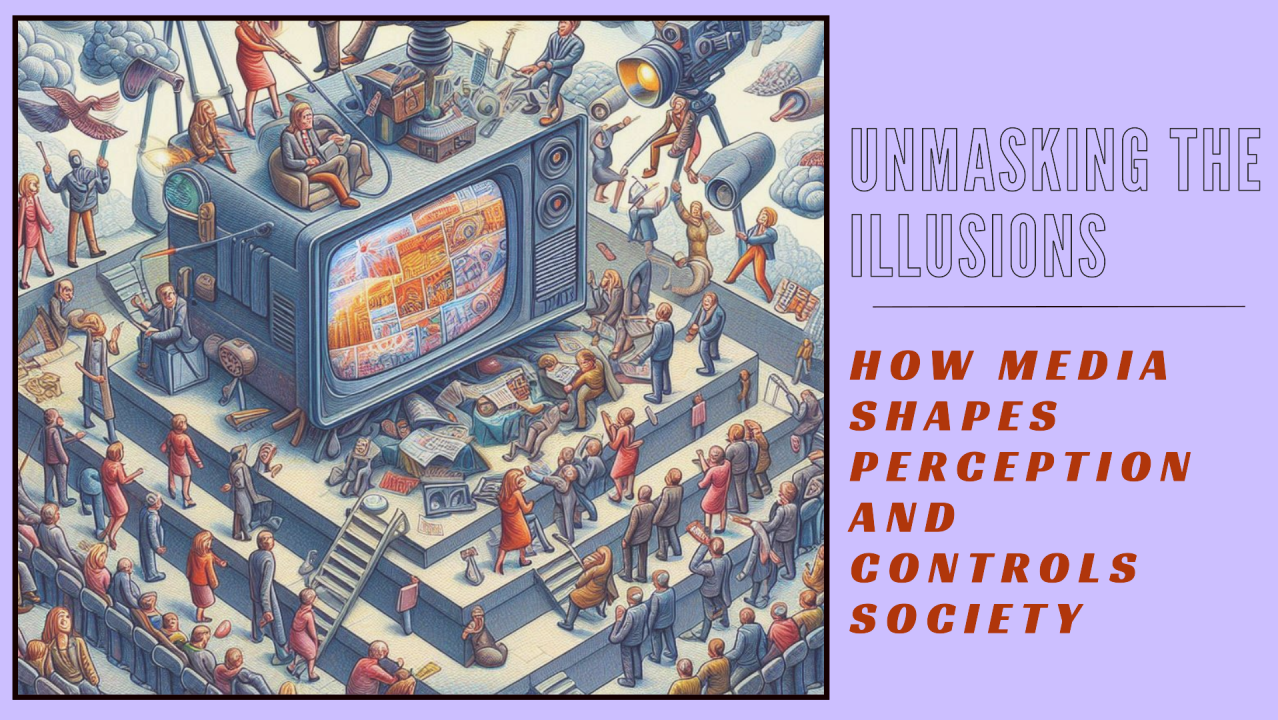
Digital illusions have permeated every facet of our lives, reshaping our perceptions in surprising and sometimes unsettling ways. Within the milieu of motorcycle media, this phenomenon becomes particularly pronounced. How often do we stop to ponder—are we consuming reality or an artful concoction designed to allure and captivate? This question beckons a deeper examination of how digital editing embellishes motorcycle imagery, potentially distorting our understanding of what defines the true essence of motorcycling.
Motorcycle media, be it in the form of glossy magazines, thrilling videos, or dynamic social media feeds, possesses an innate power to engage and inspire. Yet, it is similarly susceptible to the manipulations enabled by sophisticated editing software. The resulting digital illusions craft a narrative that does not always align with the authentic experience of riding. To unravel this entwined relationship between editing and perception, we delve into various aspects of digital illusions, showcasing how they shape the motorcycle community’s understanding and appreciation.
1. The Allure of Color Grading
Color grading is an artistic process employed in video and photography that alters the hues, saturation, and contrast of images. In motorcycle media, where scenic landscapes and adrenaline-pumping moments unfold, color grading can elevate the viewer’s experience to euphoric heights. Imagine a vivid sunset ride edited to showcase fiery oranges and deep purples, creating an ethereal ambiance. While these enhancements can accentuate the raw beauty of a ride, they concurrently create a reality that may never be fully realized in the mundane light of day. Thus, the vibrant palette induces a sense of longing, inviting riders to chase an idealized version of their experiences.
2. The Impact of Composition
Composition, the arrangement of elements within a frame, is indispensable in crafting compelling motorcycle imagery. Photographers often employ techniques like the rule of thirds, leading lines, and framing to evoke emotion and narrative. When combined with digital editing, these practices can drastically alter the perception of speed, danger, and excitement. A motorcycle captured with a cleverly chosen angle may appear more perilous, enticing thrill-seekers but leaving novices intimidated. The inherent challenge lies in discerning whether these compositions foster genuine enthusiasm for motorcycling or merely perpetuate a facade that misrepresents the sport’s intrinsic beauty.
3. The Role of Filters and Effects
With the omnipresence of smartphones, filters have surged in popularity across social media platforms. For motorcycle enthusiasts, filters serve as a tempting shortcut to creating visually arresting content. However, these filters can skew the perception of machines, environments, and even the rider’s experience. A filter that enhances sharpness or creates a dreamy haze might mask crucial details that define the motorcycle’s character. Consequently, viewers exude admiration for bikes seemingly clad in an autre monde of enchantment, while the raw, gritty essence risks being obscured.
4. Staged Events Versus Spontaneous Adventures
Many motorcycle media pieces hinge on the portrayal of staged events defined by meticulous planning. Rides shot in picturesque locations, coupled with flawlessly edited montages, offer an enticing glimpse into a so-called “ideal” motorcycle lifestyle. These carefully curated narratives can make the average rider feel disconnected from their reality—where spontaneous adventures, breakdowns, and less-than-glamorous moments exist. Recognizing the dichotomy between staged content and authentic experiences challenges enthusiasts to appreciate the vulnerability that often accompanies motorcycling.
5. The Psychology of Aspiration
Psychologically, digital illusions play a pivotal role in shaping aspirations within the motorcycle community. The allure of the unattainable can lead aspiring motorcyclists to pursue dream bikes and adventures that may exceed their skill level. Renowned riders are often depicted in breathtaking scenarios, and as onlookers, we may subconsciously strive to replicate those experiences. However, this pursuit may create a perpetual cycle of dissatisfaction, wherein the genuine joy of riding is overshadowed by the desire to chase an edited version of reality.
6. Community Dynamics and Influence
The realm of motorcycle media thrives on community, yet editing can exacerbate divisions within it. Riders may cluster around specific aesthetics and lifestyles showcased in viral videos, inadvertently alienating those whose experiences do not conform to these curated ideals. Digital illusions, while entertaining, may foster an unapproachable image of motorcycling that can inhibit diverse participation. Thus, as enthusiasts navigate social media platforms, they are confronted with the challenge of embracing authenticity while appreciating the artifice that surrounds them.
7. Finding Authenticity in a Digital World
Ultimately, the pressing question remains—how do we find authenticity amidst the swirling chaos of digital illusions? An appreciation for the artwork and storytelling of motorcycle media is important, but it is equally essential to acknowledge the imperfections that define the human experience. By seeking out genuine narratives shared by fellow riders, we can foster a more inclusive community. Photographs accompanied by relatable anecdotes, unfiltered experiences, and raw emotions have the power to bridge the gap between the edited fantasy and real-world motorcycling.
In conclusion, while digital illusions in motorcycle media undoubtedly enhance visual allure and storytelling, they challenge enthusiasts to disentangle the layers of perception. As riders and consumers of motorcycle content, understanding the interplay between editing and reality can enrich our appreciation of not just the machines we ride, but the authentic journeys we embark upon. So, the next time you find yourself captivated by dreamy edits, pause to reflect—is that image a window into reality, or merely a tantalizing mirage?