In an era where mobile devices have become ubiquitous, distracted driving has emerged as a pernicious threat to road safety, particularly for vulnerable road users like motorcyclists. With the rise of innovative technologies and groundbreaking patents, there is potential for a seismic shift in how distracted driving laws are applied and enforced, particularly in relation to two-wheeled vehicles. This article explores the nuanced interplay between distracted driving laws and motorcyclists while examining the prospective implications of emergent patents aimed at mitigating this growing concern.
The Reality of Distracted Driving
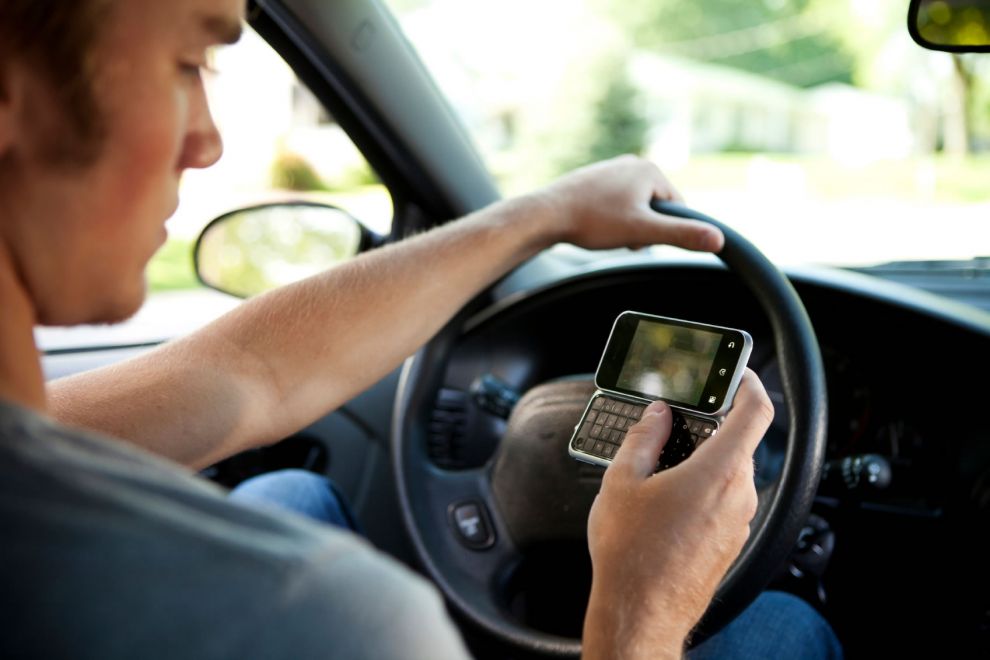
Distracted driving encompasses a broad array of behaviors that divert a driver’s attention from the road. Texting, scrolling through social media, or attending to passengers all fall under this umbrella. Motorcyclists, often exposed and vulnerable, are at a heightened risk, facing a significantly elevated likelihood of severe injuries or fatalities when involved in a collision. In this context, distracted driving laws have emerged as critical mechanisms designed to deter such behaviors. However, their enforcement often requires a surgical approach, tailored to address the distinct challenges associated with motorcycling.
Current Distracted Driving Laws and Motorcyclists
At present, legislation governing distracted driving varies significantly across jurisdictions. Many states have implemented comprehensive bans on texting while driving, and some have extended these prohibitions to cover handheld devices entirely. However, the enforcement of these laws can be inconsistent, often relying on the subjective judgment of law enforcement officers or the possibility of a collision. For motorcyclists, the stakes are particularly high: a mere moment’s inattention could yield catastrophic consequences.
Technological Advancements and Their Implications
As society increasingly turns toward technological solutions to combat and deter distracted driving, several promising patents have emerged. These innovations could offer multifaceted solutions capable of revolutionizing how motorcyclists engage with their environments while mitigating the dangers posed by distracted driving.
- Smart Helmets: Advanced helmets featuring built-in displays could relay critical information directly into a rider’s line of sight. Imagine being able to see navigation instructions, speed, or even vehicle proximity information without needing to glance at a smartphone. Smart helmets could also integrate voice recognition technology, allowing riders to issue spoken commands, thereby minimizing manual input and risk of distraction.
- Handlebar Displays: Patents for handlebar-mounted displays would allow motorcyclists to access essential information directly on their vehicle. Envision a heads-up display (HUD) that projects critical data without requiring cognitive resources to shift focus—resulting in safer riding experiences.
- Bluetooth Communication Systems: Enhanced communication systems that pair with mobile devices could permit hands-free operation. These systems would enable riders to stay connected without having to divert their gaze from the road, undoubtedly aiding in enhancing overall safety.
- Driver Monitoring Systems: Some innovative patents focus on monitoring driver behavior, such as facial recognition and eye-tracking technologies that determine levels of attentiveness. For motorcyclists, such systems could alert them if they are becoming distracted, suggesting corrective measures in real-time.
Enforcement and Education: A Dual Approach
The introduction of advanced technologies raises critical discussions regarding the enforcement of distracted driving laws. While these innovations could undoubtedly assist in reducing incidents, they also necessitate a concurrent focus on education. Motorcyclists must be educated on these new technologies, ensuring that they are correctly utilized to foster safe riding habits.
Furthermore, law enforcement agencies may need to evolve their strategies, incorporating data obtained from these new technologies to enhance their ability to enforce distracted driving laws. The utilization of detailed analytics could help define the conditions under which motorcycle accidents occur more accurately, allowing for the development of targeted prevention measures tailored specifically for motorcyclists.
The Shift in Perspective: A New Paradigm in Safety
With these advancements, a paradigm shift is underway. The traditional view of distracted driving primarily as a four-wheeled concern is being challenged with the acknowledgement of motorcyclists as equally susceptible. Such perceptions have transformative implications, both in the realm of legislative dialogue and in how safety is prioritized on the road.
Moreover, as patents continue to emerge, they reflect a growing trend toward intertwining technology and safety—a narrative that could redefine how we approach distracted driving laws altogether. No longer should motorcyclists fear being left behind as passive recipients of safety regulations; they can become active participants in shaping a safer riding environment.
Conclusion: The Road Ahead
As the legal landscape surrounding distracted driving continues to evolve, and as innovative patents gain traction, it is crucial for stakeholders to recognize the implications—both challenges and opportunities—that lie ahead. The convergence of technology with regulation promises not only to enhance biker safety but to overhaul perceptions of the risks associated with distracted driving. A future where motorcyclists are empowered by technology, fortified through education, and protected by robust regulations could pave the way for safer roads. The metaphorical road ahead is not merely a path to increased safety; it is also an exciting journey toward a more harmonious coexistence between all road users.