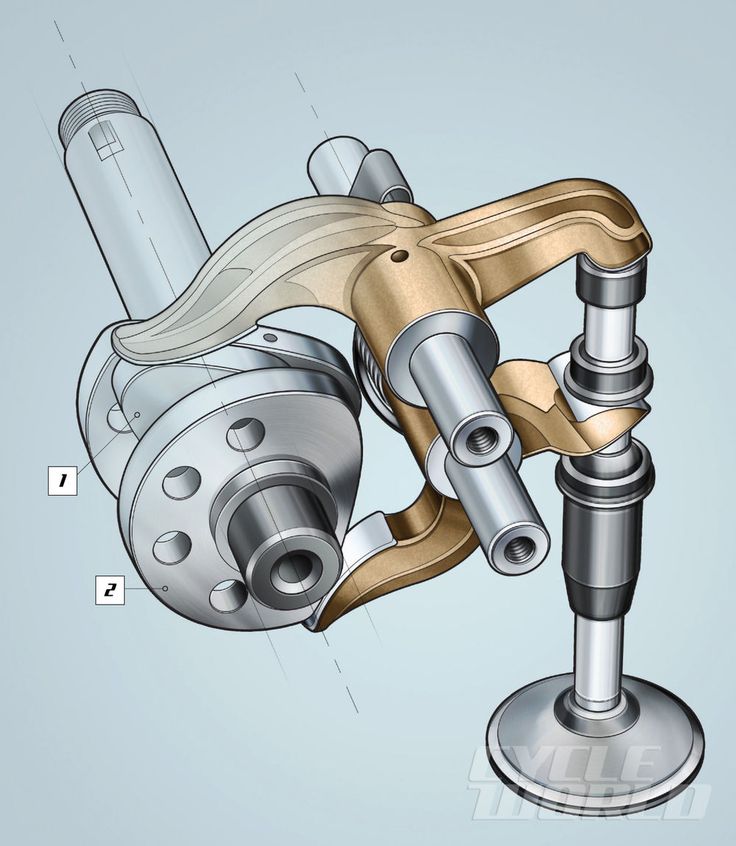
The Ducati Desmo valve system is a hallmark of Italian engineering, distinguishing Ducati motorcycles from other brands. The term “Desmo” is derived from the Italian “desmodromico,” which signifies a unique valve actuation system that employs precise engineering to optimize performance. This article delves into the intricacies of Desmo valves, exploring their operation, significance, and the rationale behind Ducati’s reliance on this distinctive system.
1. The Mechanism: A Closer Look at Desmodromic Valves
The fundamental characteristic of the Desmo system lies in its ability to manage both the opening and closing of the valves mechanically. Unlike traditional valve systems that rely on springs to close the valves after they are opened, Desmo valves utilize a dual rocker arm mechanism. Each valve has a dedicated arm that not only opens it but also returns it to a closed position, ensuring precision in timing and operation.
This ingenious design facilitates a more aggressive cam profile without the constraints posed by valve spring limitations. Higher RPM performance becomes achievable as the Desmo system allows engines to breathe better, supporting more efficient combustion and power generation. The mechanical actuation also enhances reliability, especially in high-performance racing situations where precision is paramount.
2. The Advantages of Desmodromic Valves
While Desmo valves might appear overly complex compared to simpler valve systems, their advantages are manifold:
- Enhanced Performance: The ability to employ more radical cam profiles translates to higher peak power and improved throttle response. Riders often notice substantial differences across the power band.
- Consistency and Reliability: Mechanical closing eliminates worries about spring fatigue or potential failures. For a racer, this reliability means peace of mind at high speeds.
- Engine Longevity: Reduced valve float means less wear and tear, extending the life of both the valves and the engine overall. This is especially advantageous for those who demand longevity from their performance machines.
3. The Evolution of the Desmo System
The Desmo system has undergone continuous evolution since its inception. Initially seen in racing bikes, its transition to production models showcases Ducati’s commitment to performance. Early iterations of the system were mechanically intricate and often necessitated meticulous maintenance; however, technological advances have refined this complexity for modern production bikes.
Today’s technology has embraced components made from exotic materials such as titanium, which not only enhances performance but also reduces weight. This continual evolution reinforces the Desmo’s relevance in an age where lightweight and efficiency are paramount.
4. Desmo in Competition: Why It Matters
The Desmo system plays an integral role in Ducati’s formidable presence in the world of motorcycle racing. During various MotoGP, Superbike, and Isle of Man TT events, Ducati riders revel in the advantages provided by Desmodromic valves. The high RPMs and relentless cadence of competitive machines allow the system to shine, translating to rapid acceleration and unwavering performance at the ragged edge.
Moreover, this system has contributed to various victories for Ducati, establishing them as a leader in both innovation and performance. Enthusiasts often argue that without Desmo technology, Ducati’s storied racing legacy may have unfolded differently.
5. The Distinction from Traditional Valve Systems
To appreciate the ingenuity of the Desmo system, it’s crucial to juxtapose it with conventional valve mechanisms. Typically, traditional systems utilize springs for valve closure, which introduces inherent limitations. Spring characteristics can lead to valve float, especially at high RPMs, compromising performance.
The absence of springs in Ducati’s design means that Desmo systems can achieve a mechanical advantage, paving the way for more aggressive tuning and enhanced performance metrics. For those adrenaline aficionados seeking peak output, this distinction is not trifling; it defines the Ducati experience, providing an exhilarating connection between rider and machine.
6. The Myths and Misconceptions
Despite its acclaim, myths abound concerning the Desmo valve system, often stemming from misunderstandings about its complexity. Some assert that Desmo systems require excessive maintenance; however, routine service practices such as checking valve clearances actually align with standard practices across many high-performance motorcycles.
Another common misconception is that the Desmo system leads to a harsh ride quality. In fact, many riders report the opposite, with the system contributing to a refined throttle response and smooth power delivery that enhances the overall riding experience.
7. The Future of Desmodromic Technology
The continued innovation within the realm of motorcycle design prompts inquiry: what lies ahead for Desmodromic technology? As Ducati forges into the electric age, the core principles of Desmo engineering may very well inspire future developments. Current research into alternative actuation methods, combined with the robust design ethos of Desmo valves, could yield new paradigms in engine efficiency and performance.
Additionally, as emissions regulations tighten, the necessity for refined air-fuel management becomes pivotal. The Desmo system can potentially offer solutions, ensuring compliance without compromising on power.
8. Conclusion: The Lasting Legacy of Desmo
In summation, the Ducati Desmo valve system is a remarkable achievement in motorcycle engineering. With its unique methodology, the Desmo system augments performance, reliability, and longevity, affirming its place in the motorcycle world. While the landscape of motorcycles continues to evolve, the principles of Desmodromic design endure, illustrating that innovation is not just about the new; it’s also about refining the classic to meet tomorrow’s demands. For Ducati enthusiasts and engineers alike, Desmo remains a symbol of the relentless pursuit of perfection in performance engineering.