In the high-octane world of MotoGP, where finely-tuned machines scream down the asphalt at breakneck speeds, a subtle yet potent force often lurks beneath the surface: ego. Coupled with rivalry, this dynamic can elevate the competition to breathtaking heights, while at times spiraling into tumultuous territory. What happens when the desire for glory crosses the line into detrimental rivalry? Let’s explore this fascinating interplay, where ambition and camaraderie exist side by side, often clashing in the most unexpected ways.
The Essence of a Racer’s Ego
The motorcycle racing sphere is rife with audacious individuals, each possessing a robust sense of self-worth. After all, how could one endure the physical and psychological rigors associated with racing if they didn’t harbor an unwavering belief in their prowess? This self-esteem, however, can morph into an inflated ego, often leading to contentious relationships on the grid. The very drive that fuels a racer’s ambition can simultaneously spark conflict, as competitors vie not just for podiums, but for supremacy over each other as well.
Historical Rivalries: A Case Study
Setting the stage, we can delve into some of the most iconic rivalries in MotoGP history. Who could forget the legendary battle between Valentino Rossi and Max Biaggi? This rivalry was drenched in drama, encapsulating not only individual skill sets but also clashing personalities. Their conflicting styles and the palpable disdain they harbored for one another underscored a narrative rich in ego. The tension between them often exceeded that of mere competition, reiterating the point—when does rivalry veer into obsession?
Then there was the fierce contest between Rossi and Jorge Lorenzo. Their contrasting approaches to racing—the former’s showmanship against the latter’s meticulous precision—turned their rivalry into a study of contrasts. Each race became a psychological duel, with both competitors seeking to outwit and outmaneuver the other. It begs a provocative question: can such animosity inspire greatness, or does it ultimately become a destructive force?
Rivalry Beyond the Track
The manifestations of rivalry often extend beyond the circuit. With every passing lap, the tension can escalate into verbal skirmishes in press conferences or even physical confrontations in paddocks. The infamous scuffle between Andrea Iannone and Danilo Petrucci is a case in point, illustrating how the pressures of competition can lead to confrontations that blur the lines of sportsmanship.
Such incidents offer a glimpse into the darker recesses of competitive spirit. The emotional toll of fierce rivalry can lead to mental fatigue, causing athletes to deviate from their original love for the sport. This begs a significant question: at what cost does the pursuit of dominance come? Do riders risk their well-being and integrity merely to satiate their supercharged egos?
The Psychological Toll of Competition
As they navigate this adrenaline-fueled environment, riders must contend with immense psychological pressures. The fear of failure, coupled with the relentless pursuit of excellence, can engender a toxic cycle. The psychological aspect of racing—marked by high stakes and personal pride—often provokes irrational decisions. When ego overshadows rationality, exhilarating moments can manifest into catastrophic consequences.
Consider the aftermath of big crashes; these pivotal events can be a metaphorical mirror reflecting the collateral damage wrought by rivalry. A seemingly innocuous ambition to claim a title can become a catalyst for devastating circumstances. Thus, it is crucial to acknowledge that while rivalry can seed motivation, it equally possesses the potential to unravel a career.
Camaraderie Amidst Competition
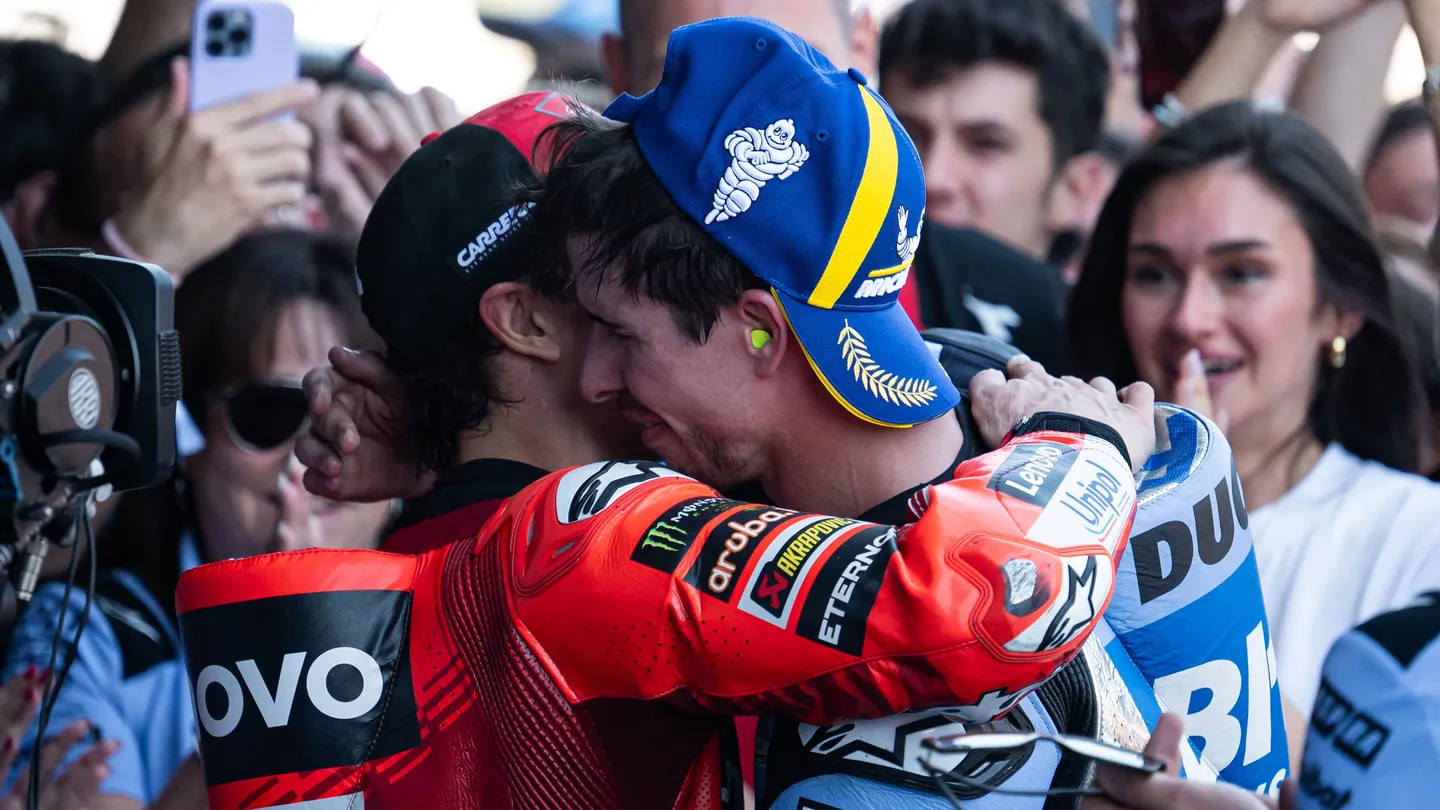
Interestingly, there are moments when the camaraderie among competitors transcends rivalry. This duality is epitomized in instances where collaboration surfaces in critical situations. Riders often share insights, not only about machines but also about the unique challenges they face. The frequent camaraderie is reminiscent of a brotherhood united by a shared thrill for speed.
Interestingly, such alliances can often serve as a counterbalance to the darker elements of rivalry. They remind riders that at the heart of the competition lies a common passion—an irrevocable love for the sport that can reignite what it means to race. Here lies an intriguing prospect: how can fostering these alliances mitigate the adverse effects of rivalry and ego?
Finding Balance: Navigating the Tightrope
As the roaring engines fade into the distance, the need for balance in Motorsport becomes apparent. It raises essential questions: How can racers channel their egos positively? How can rivalries be transformed into constructive competition? There are no straightforward answers, but recognizing the fine line between healthy rivalry and toxic competition is imperative.
Ultimately, the MotoGP narrative is a reflection of human emotion—an intricate tapestry of ambition, rivalry, and ego. As participants traverse this electrifying journey, they must grapple with the vital question: when does the thrill of competition become detrimental? In the realm of MotoGP, as much as speed is celebrated, the management of interpersonal dynamics, emotions, and egos echoes louder than the thunderous echoes of racing engines.
In the end, the motorcycle racing community has the unprecedented opportunity to evolve—embracing not just the quest for speed, but also the intricate relationships that make the sport unforgettable. As they speed into the horizon, a new challenge awaits: the pursuit of excellence can coexist with the spirit of camaraderie. Will they heed the call?