Electric Motorcycles and Charging Reality: Why Batteries Still Lag Behind
As the world accelerates towards a greener future, the spotlight on electric motorcycles illuminates both the promise of innovation and the sobering realities of battery technology. The motorcycle community has embraced electrification with fervor, heralding a new era of sustainable mobility. Yet, as riders rev up their engines and embrace this ecological paradigm, a vital question lingers: Are electric motorcycle batteries keeping pace with our ambitions for the future?
To unpack this conundrum, it’s imperative to delve into the multifaceted world of electric motorcycles, dissecting both their allure and the technical obstacles they face. Our exploration will traverse the landscape of battery capacity, charging infrastructure, and the phenomenon of range anxiety that plagues many potential electric motorcycle owners.
1. The Allure of Electric Motorcycles
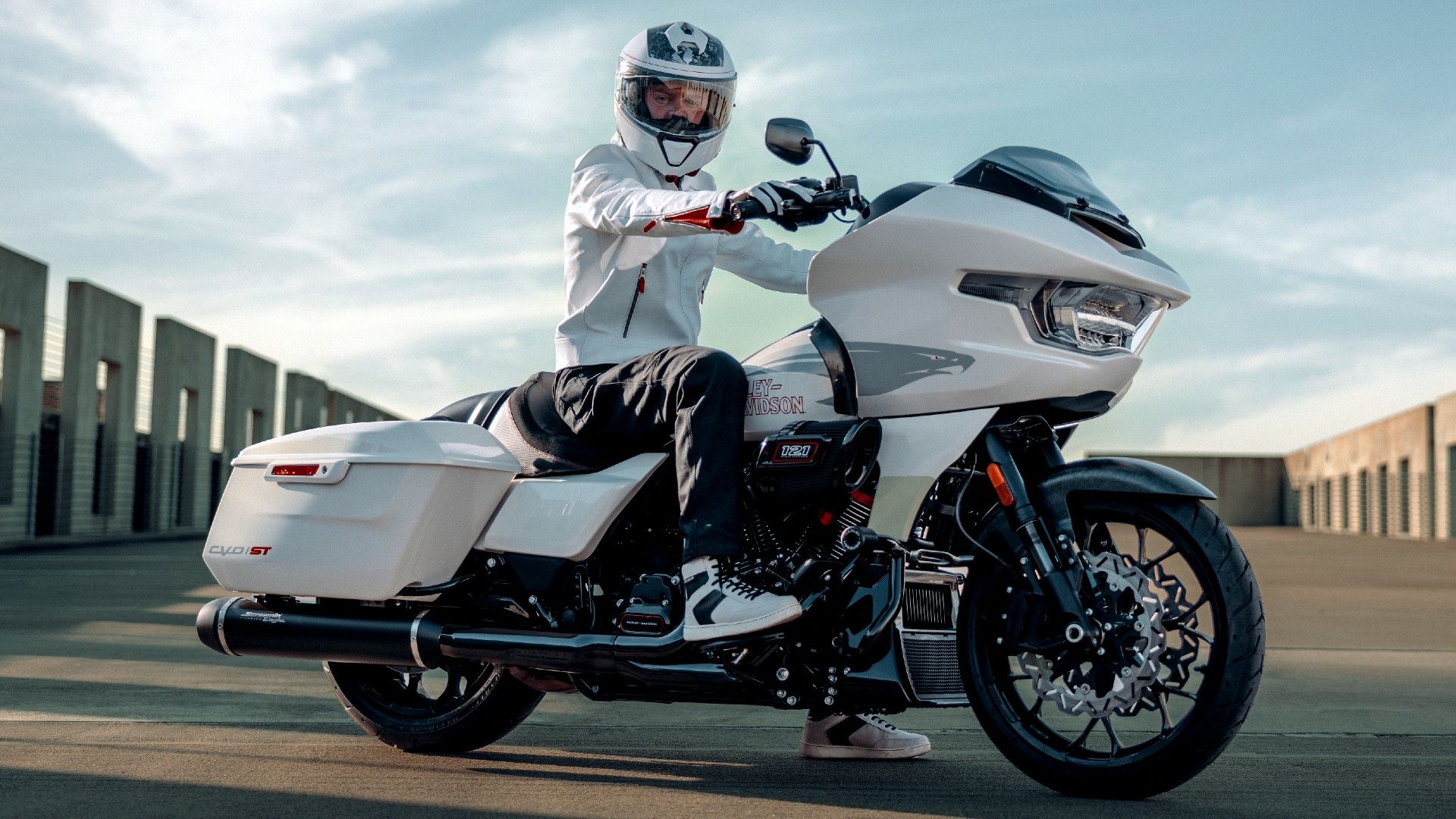
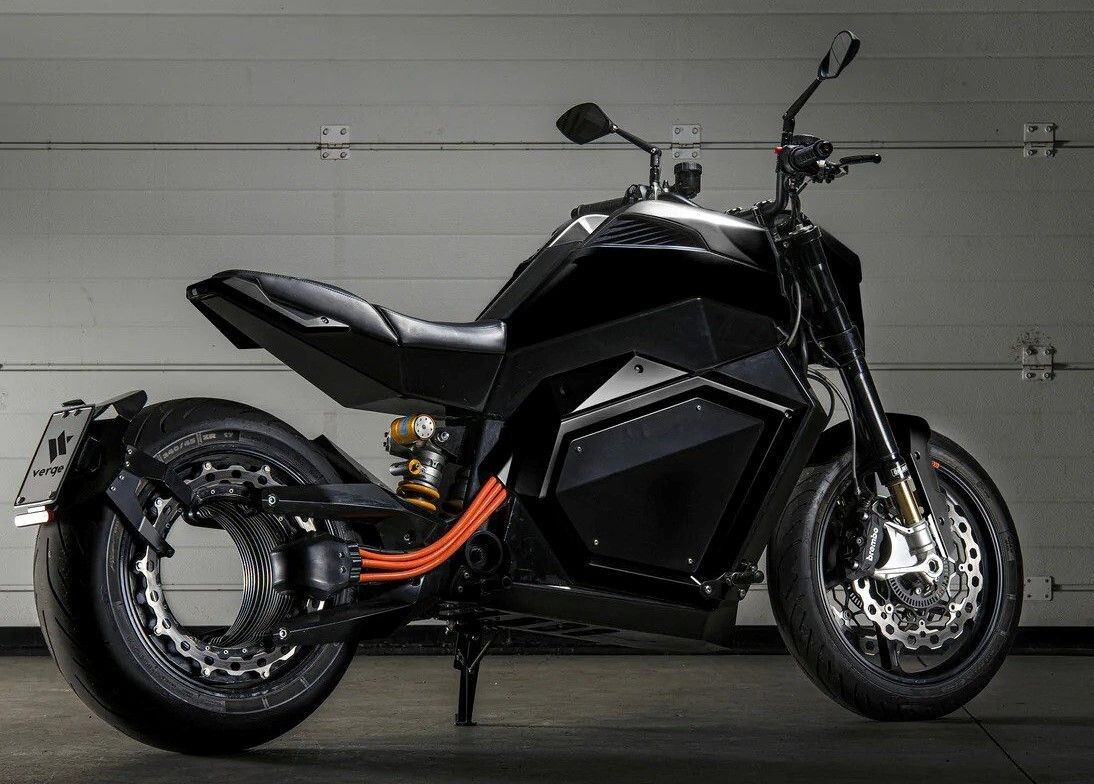
The rise of electric motorcycles is not merely a trend; it’s a profound shift in how we perceive mobility. These machines promise a quiet ride devoid of engine noise and harmful emissions. With manufacturers like Zero Motorcycles, Harley-Davidson, and Energica leading the charge, the market offers an exhilarating combination of performance and sustainability. Many models boast instant torque and impressive acceleration, thrilling riders while aligning with eco-conscious values.
The transition to electric is accentuated by advancements in design, where sleek aesthetics marry cutting-edge technology. Enhanced user interfaces provide riders with real-time data on battery performance and energy consumption, creating a seamless connection between man and machine. Thus, the electric motorcycle emerges not just as a mode of transportation, but also as a lifestyle statement.
2. The Technological Backbone: Battery Basics
At the heart of every electric motorcycle lies its battery, a complex assemblage that determines everything from range to performance. Currently, the standard for electric motorcycle batteries is lithium-ion technology. This battery type, favored for its energy density and longevity, represents a substantial leap forward from lead-acid batteries once commonplace in non-electric vehicles.
Yet, beneath this veneer of progress lurks a myriad of challenges. Battery capacity, typically measured in kilowatt-hours (kWh), directly correlates with range, but the progress in increasing capacity has been incremental. While traditional gasoline motorcycles can travel substantial distances on a single tank, electric motorcycles often face limitations. The average electric motorcycle can achieve a range of approximately 100 to 200 miles, a far cry from its gas-powered counterparts.
3. Charging Infrastructure: A Web of Complexity
The feasibility of embracing electric motorcycles hinges not only on battery performance but also on the availability of robust charging infrastructure. While urban environments have witnessed a proliferation of charging stations, rural areas continue to lag behind. The disparity raises a critical question: Can a rider embark on a long-distance journey without the constant concern of running out of power?
Current charging solutions vary widely in speed and accessibility. Level 1 charging, typically found in residential settings, can take upwards of 8 hours to fully charge a motorcycle, rendering it impractical for many. Level 2 chargers, available in public spaces, can significantly reduce charging time to a few hours, yet this is still a hurdle for those who rely on their motorcycles for daily commuting or adventures.
Fast-charging technologies have emerged as a potential antidote to charging woes, with some manufacturers developing stations capable of replenishing batteries to 80% in 30 minutes. However, the limited distribution of such charging networks across different geographies continues to stymie the widespread adoption of electric motorcycles.
4. The Dreaded Range Anxiety
Range anxiety—an affliction familiar to many electric vehicle owners—poses a notable barrier to electric motorcycle adoption. This psychological phenomenon manifests as a constant fear of depleting battery power before reaching a destination or a charging station. Unlike conventional motorcycles, which boast large fuel tanks, electric motorcycles require a recalibration of expectations.
To mitigate this anxiety, manufacturers are venturing into innovative designs that incorporate larger batteries without compromising weight and handling. By leveraging advancements in battery chemistry, including solid-state batteries, the industry hopes to enhance energy density and minimize anxiety surrounding range.
5. The Road Ahead: Innovations on the Horizon
Despite the limitations inherent in current battery technology, the future of electric motorcycles is brimming with potential. Researchers and engineers are diligently exploring novel battery technologies—solid-state batteries, for instance, offer the promise of lighter weight and increased safety. Additionally, the integration of regenerative braking systems and energy recovery technologies could extend range and improve overall efficiency.
Moreover, as smart city initiatives gain momentum, the integration of charging infrastructure with urban planning presents a unique opportunity for electric motorcycles. Imagine a world where charging stations are ubiquitous, integrated into everyday life. Parking lots with charging spots, communities equipped with solar-powered charging hubs, and the potential for wireless charging technology could revolutionize the riding experience.
6. Conclusion: A Journey Not Yet Complete
The electric motorcycle revolution undoubtedly embodies a stride towards sustainable transportation. However, as we stand poised on the precipice of change, it is critical to acknowledge the challenges that remain. The marriage between electric motorcycles and battery technology is still evolving. The allure of electrification must be tempered with practical considerations of range, charging infrastructure, and technological shortcomings.
Though we are not quite there yet, the trajectory toward a future where electric motorcycles become a ubiquitous presence on the roads is undeniable. As battery technology evolves and infrastructure expands, the dream of riding freely on electric steeds becomes ever more attainable. The journey of electric motorcycling is a story still unfolding, and it promises to be one of excitement and discovery.