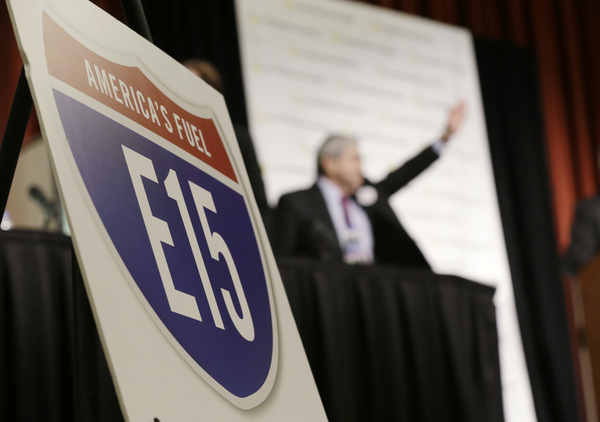
In the bustling neighborhoods of New York, where the streets resonate with the thunderous roar of motorcycles, enthusiasts often find themselves at a crossroads: should they embrace the convenience of E15 fuel, or heed the warnings that suggest this blend of ethanol may not be the best choice for their beloved machines? With this in mind, let’s examine ten significant problems with Ethanol E15 fuel that could pose a challenge to motorcycle engines. Ready for a ride down the less-traveled path of fuel alternatives?
1. Engine Damage Risks
One of the foremost concerns with E15 fuel is its potential to wreak havoc on various motorcycle engine components. Motorcycles are designed with specific materials that may not be compatible with the higher ethanol content of E15. Over time, E15 can cause seals, gaskets, and fuel lines to degrade, leading to costly repairs and engine inefficiencies. Motorcyclists might find themselves on a slippery slope, questioning the longevity of their prized possession.
2. Decreased Fuel Efficiency
While E15 is often marketed as an environmentally friendly alternative, the reality is that it holds a lower energy content compared to traditional gasoline. Motorcycles running on E15 may experience diminished fuel efficiency, which could result in more frequent trips to the pump. In densely populated areas of New York, where every mile counts, this decrease can be a pressing concern for those trying to maximize their riding experience.
3. Cold Start Challenges
New York winters can be unforgiving, especially for motorcycle riders. E15 fuel tends to evaporate more rapidly than conventional gasoline, which can lead to difficulty in cold starting. As temperatures plummet, the challenge of getting your bike to start becomes even more daunting. Wouldn’t it be frustrating to watch your motorcycle sputter in the cold while your neighbor’s vintage model fires up quickly on regular fuel?
4. Fuel System Build-Up
Excessive ethanol can lead to the formation of deposits within the fuel system. These deposits accumulate over time and can clog the fuel injectors, carburetors, and filters. For riders who enjoy hitting the open road for extended journeys, these unexpected maintenance issues can quickly turn an exhilarating ride into a repair nightmare. No one wants to be stranded with a stubborn bike that refuses to cooperate!
5. Volatility and Stability Issues
E15 fuel is notorious for its volatility. As summer approaches, the high temperatures can exacerbate this issue, leading to vapor lock — a condition where fuel vaporizes before it reaches the engine. This can prevent the motorcycle from starting or cause it to stall during rides, which can be particularly frustrating in the busy streets of New York where you must navigate through traffic.
6. Impact on Performance
Every motorcycle enthusiast craves raw power and performance. However, E15 may not be able to deliver the punch that riders expect. The fuel can alter the air-fuel mixture required for optimal engine performance, causing a loss of horsepower. Riders seeking thrilling acceleration may feel as though their bike has transformed from a ferocious beast into a sleepy kitten.
7. Environmental Concerns
Though proponents of E15 tout its purported environmental benefits, the cultivation of corn for ethanol production raises significant ecological concerns. This agricultural process can lead to habitat destruction and increased fertilizer runoff, which pollutes waterways. As residents of New York cherish their natural landscapes, including the stunning views of the Hudson River, this impact cannot be ignored.
8. Potential Warranty Issues
Motorcycle manufacturers often specify fuel types that are recommended for use in their vehicles. Using E15 may void warranties, leaving riders to shoulder repair costs without manufacturer support. For any new motorcycle owner who has invested heavily in their machine, losing warranty coverage can be a bitter pill to swallow, especially when faced with unexpected repairs.
9. Compatibility with Older Models
In New York, the motorcycle community is rich with vintage models that exude charm and history. However, these older bikes were not engineered to consume fuel with high ethanol content. Running E15 in such machines could lead to extensive damage and make them inoperable, which is the last thing any rider wants for their treasured vintage bike. Imagine watching your classic motorcycle languish in the garage, its engine betrayed by the very fuel you thought would enhance its performance.
10. Economic Implications
As demand for E15 increases, consumers may face rising prices at the pump due to fluctuating availability. Motorcycle enthusiasts who rely on specific fuel blends may find themselves paying more for a fuel that negatively impacts their engines. Coupled with the cost of repairs and the possible decline in performance, the economic implications can be daunting, ultimately causing riders to re-evaluate their fuel choices.
While E15 fuel may promise economic and environmental advantages, the potential problems for motorcycle engines—especially in vibrant neighborhoods across New York—cannot be understated. Now, if you were given a choice, would you risk these challenges for the sake of convenience, or would you opt for traditional gasoline to keep your engine purring? The path forward is one worth considering for every motorcycling enthusiast in the city.