The world of motorcycling is a thrilling journey, where freedom and exhilaration reign supreme. However, lurking within the proverbial shadows is a silent antagonist: ethanol fuel. While this alternative energy source purportedly promotes eco-friendliness, the complications it introduces for motorcycle enthusiasts deserve thorough exploration. Riders should be aware that not all fuel is created equal. This article delves into the multifaceted challenges that ethanol poses for motorcycles, offering riders insight into a world many might overlook.
1. Understanding Ethanol as a Fuel
Ethanol, a form of alcohol derived from plants, has emerged as a popular additive in the fuel landscape, primarily to reduce emissions. It serves to augment the oxygen content in gasoline; thus, it facilitates a cleaner burn. Yet, this seemingly noble pursuit masks a host of complications. When mixed with gasoline, and in concentrations such as E10 (10% ethanol) or E15 (15% ethanol), it threatens the delicate balance that motorcycles depend on for optimal performance. Much like an uninvited guest at a gathering, ethanol disrupts the harmony of an otherwise fine-tuned machine.
2. The Detrimental Effects on Fuel System Components
Much like the corrosive nature of acid on metal, ethanol gradually deteriorates various components within the fuel system. Rubber hoses and gaskets, engineered to withstand conventional gasoline, start to degrade when in contact with ethanol blends. This degradation can result in leaks and inadequate pressure within the system—the motorcycle’s lifeblood. Moreover, plastic fuel tanks can also succumb to ethanol’s abrasive tendencies, further leading to costly repairs or replacements.
Notably, the adventure doesn’t stop at mere leaks. Ethanol also acts as a solvent, liberating particulates that have settled within the fuel system over time. This debris can clog fuel filters and jets, akin to a traffic jam on a bustling highway, impeding fuel flow and diminishing engine efficiency. Riders could find themselves stranded or experiencing poor performance when they least expect it, simply due to a decision made at the pump.
3. Challenges with Fuel Storage
Motorcycles thrive on regular maintenance and careful storage, but ethyl ambitions complicate the narrative. Ethanol has a knack for attracting moisture, which can lead to phase separation—a phenomenon where ethanol and water settle at the bottom of the fuel tank. This separation creates a breeding ground for microbial growth, leading to a condition known as ‘diesel bug,’ an unwelcome visitor that can clog filters and injectors. Just as a dark cloud can obscure the sun, this moisture can cloud the performance of your trusted steed.
For those riders who winterize their machines, ethanol fuel presents another quandary. Storing motorcycles with ethanol-infused fuel can lead to deterioration during hibernation. It’s akin to trying to hold onto a fleeting dream—slowly, what once provided enjoyment morphs into a brewing disaster. Opting for ethanol-free fuel or additives designed to combat moisture can go a long way to keep spirits high through the winter months.
4. Fuel Octane Rating and Performance Issues
Performance enthusiasts take note: the ethanol content in fuel can inversely impact octane levels. While some motorcycles are designed to harness higher octane for peak performance, the blend with ethanol may not deliver the desired results. Lower octane can translate to knocking, a sound as jarring as a rainstorm against a windowpane during a quiet evening ride. Riders may encounter less power and responsiveness, sentiments far removed from the adrenaline rush expected out on the open road.
Additionally, with ethanol’s reduced energy content compared to pure gasoline, motorcycles may also experience diminished fuel economy—sipping rather than guzzling fuel. Riders may find themselves filling their tanks more frequently, stretching the budget and the patience while watching their dollar bills evaporate like droplets under the sun.
5. Contemplating Engine Compatibility
So, how does a rider discern whether their motorcycle is prepared to tackle ethanol? Not all engines exhibit the same level of resilience. Older models, those manufactured prior to the ethanol surge, can be especially vulnerable. This age demographic, much like seasoned veterans braving new terrains, may feel the brunt of ethanol’s corrosive tendencies more profoundly. In contrast, modern motorcycles designed with alcohol-compatible materials can resist the wear and tear that ethanol invites.
For riders intent on navigating the waves of ethanol, consulting the manufacturer’s specifications or the owner’s manual is paramount. Engine compatibility is, after all, akin to a tailor fitting a suit: ill-fitting fuel can derail a finely crafted masterpiece.
6. The Right Solutions: Navigating the Ethanol Dilemma
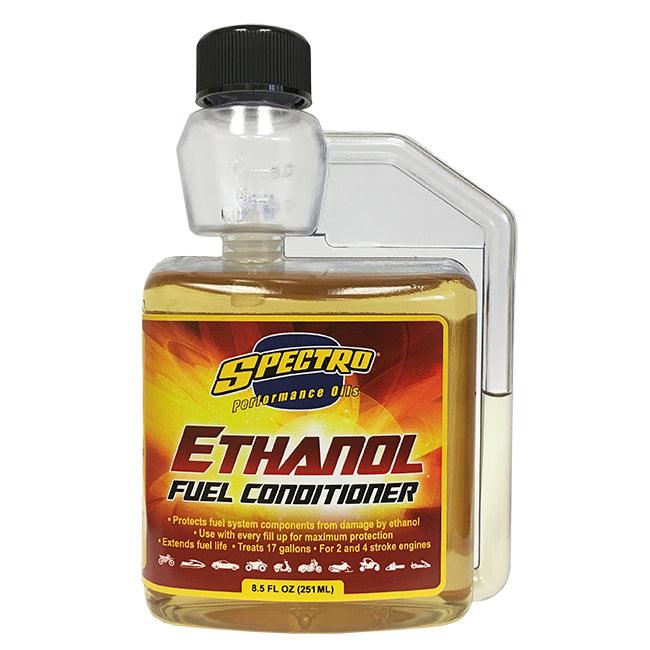
For the savvy rider, evading the pitfalls created by ethanol doesn’t necessitate forsaking it altogether. Many motorcycle enthusiasts have turned to fuel enhancers that mitigate moisture and preserve the fuel’s integrity. Another effective strategy involves the diligent practice of regular fuel cycling. By utilizing fuel in a timely manner and avoiding prolonged storage, riders can decrease the likelihood of encountering ethanol-related issues.
Ultimately, education is the cornerstone to overcoming the challenges posed by ethanol fuel. Knowledge empowers riders, enabling them to make informed choices—whether it’s selecting the right fuel, performing regular maintenance, or recognizing potential problems before they escalate.
In the spirited symphony of motorcycle riding, wielding the right knowledge about ethanol can ensure the harmonious ride continues uninterrupted, fueling dreams of freedom without the lingering shadow of complications.