Final drive systems are the unsung heroes of mechanical efficiency, playing an essential role in how power is transmitted from an engine to the wheels of a vehicle. They facilitate movement, stability, and performance, yet remain largely unrecognized by the average driver. In this article, we delve into the intricate world of final drive systems, specifically focusing on chain, belt, and shaft mechanisms. Each system possesses unique characteristics that influence maintenance, performance, and application. Let’s unravel the details to provide you with a comprehensive understanding of these mechanical wonders.
The Essence of Final Drive Systems
At a fundamental level, final drive systems convert the rotational energy generated by the engine into usable torque, allowing vehicles to propel forward. The choice of system can significantly impact ride quality, efficiency, durability, and the overall dynamics of the vehicle. As we dissect these systems—chain, belt, and shaft—consider the multiplicitous scenarios they create in automotive and motorcycle applications.
1. Chain Drive Systems
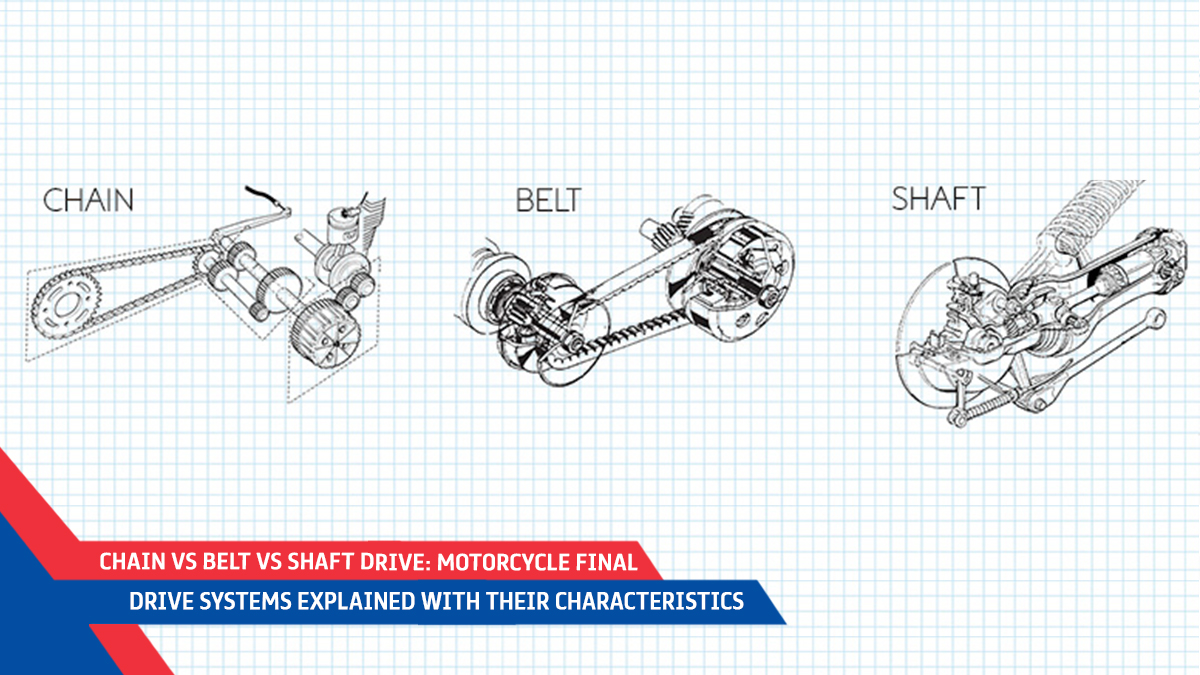
Chain drives are perhaps the most recognizable final drive systems, especially in motorcycles. Comprised of a series of linked metal plates, these systems facilitate a robust and direct connection between the engine and the rear wheel. Here are some attributes that define chain drive systems:
- Durability: Chains are typically constructed from high-strength steel, making them resilient and capable of handling high torque loads without deforming.
- Efficiency: With minimal energy loss in power transfer, chain drives are known for their efficiency, which can reach up to 98% in optimal conditions.
- Adjustability: Chain tension can be easily adjusted, allowing for a customizable ride that can cater to specific performance needs.
- Application Range: From racing motorcycles to dirt bikes, chain drive systems prove versatile, making them a favored choice in diverse settings.
- Maintenance: Regular lubrication and occasional tension adjustments are crucial, presenting a trade-off between performance and upkeep demands.
While chain drives shine in numerous scenarios, they can be susceptible to wear and require diligent maintenance to avoid slippage or elongation that could undermine performance.
2. Belt Drive Systems
In contrast to chains, belt drives offer a quiet and smooth operation. Composed of flexible rubber belts, often reinforced with fiber, these systems excel in applications where noise reduction and comfort are paramount. Delve into the features of belt drive systems:
- Noise Reduction: The inherent damping capacity of rubber significantly lowers operational noise, making belt-driven vehicles particularly popular among urban commuters.
- Smoothness: The compatibility of the belt on pulleys allows for seamless power delivery, contributing to a more refined driving experience.
- Low Maintenance: With fewer components susceptible to corrosion or wear, belt drives typically require less frequent maintenance compared to their chain counterparts.
- Efficiency and Weight: Although marginally less efficient than chains, belts are lightweight, which can contribute to improved overall vehicle performance.
- Application Suitability: Often found in scooters and cruiser motorcycles, belt drives are optimal for leisurely rides, emphasizing comfort over ruggedness.
Nonetheless, belt systems may compromise on performance under extreme conditions. Their grip can be affected by moisture, and though they generally exhibit less wear, damage is often irreversible, necessitating complete replacement.
3. Shaft Drive Systems
As the most complex of the three systems, shaft drives utilize a series of gears and a long shaft to transmit power. This method is commonly associated with luxury touring motorcycles and certain cars, where durability and power longevity are prioritized. Understanding the intricacies of shaft drive systems reveals their strengths:
- Longevity: With no exposed chains or belts subject to environmental degradation, shaft drives generally result in a longer lifespan with minimal component failure.
- Low Maintenance: Once installed, these systems require little maintenance, presenting a notable advantage for long-distance riders who seek hassle-free journeys.
- Power Efficiency: While slightly less efficient than chains, modern designs have optimized shaft systems to minimize energy losses during power transfer.
- Heavy-Duty Applications: Perfect for heavyweight bikes, these systems are trusted for their ability to handle substantial power outputs without compromising on integrity.
- Smoothness and Stability: Shaft drives often provide the smoothest ride experience, minimizing vibration that can be detrimental during lengthy rides.
However, with complexity comes weight and expense. Shaft drives tend to add considerable bulk to vehicles, and repairs can be intricate, requiring specialized knowledge.
Final Thoughts: A Comparative Synthesis
When choosing a final drive system, it is essential to consider the intended application and personal driving preferences. Each system—chain, belt, and shaft—presents unique characteristics designed for specific scenarios.
Chain drives deliver raw efficiency and performance, making them ideal for racing and off-road environments, while belt drives focus on comfort and noise reduction for city commuting and leisurely rides. On the other hand, shaft drives shine in reliability and longevity, perfectly suited for those embarking on extended journeys.
As we peel back the layers of automotive mechanics, a deeper appreciation for final drive systems emerges—an intricate web of components working in harmony to create a seamless driving experience. Embracing these nuances not only enhances our understanding of vehicle dynamics but also equips us with the knowledge to make informed choices in automotive technology. Harnessing this knowledge, the road ahead becomes clearer, enabling one to traverse diverse terrain with confidence and insight.