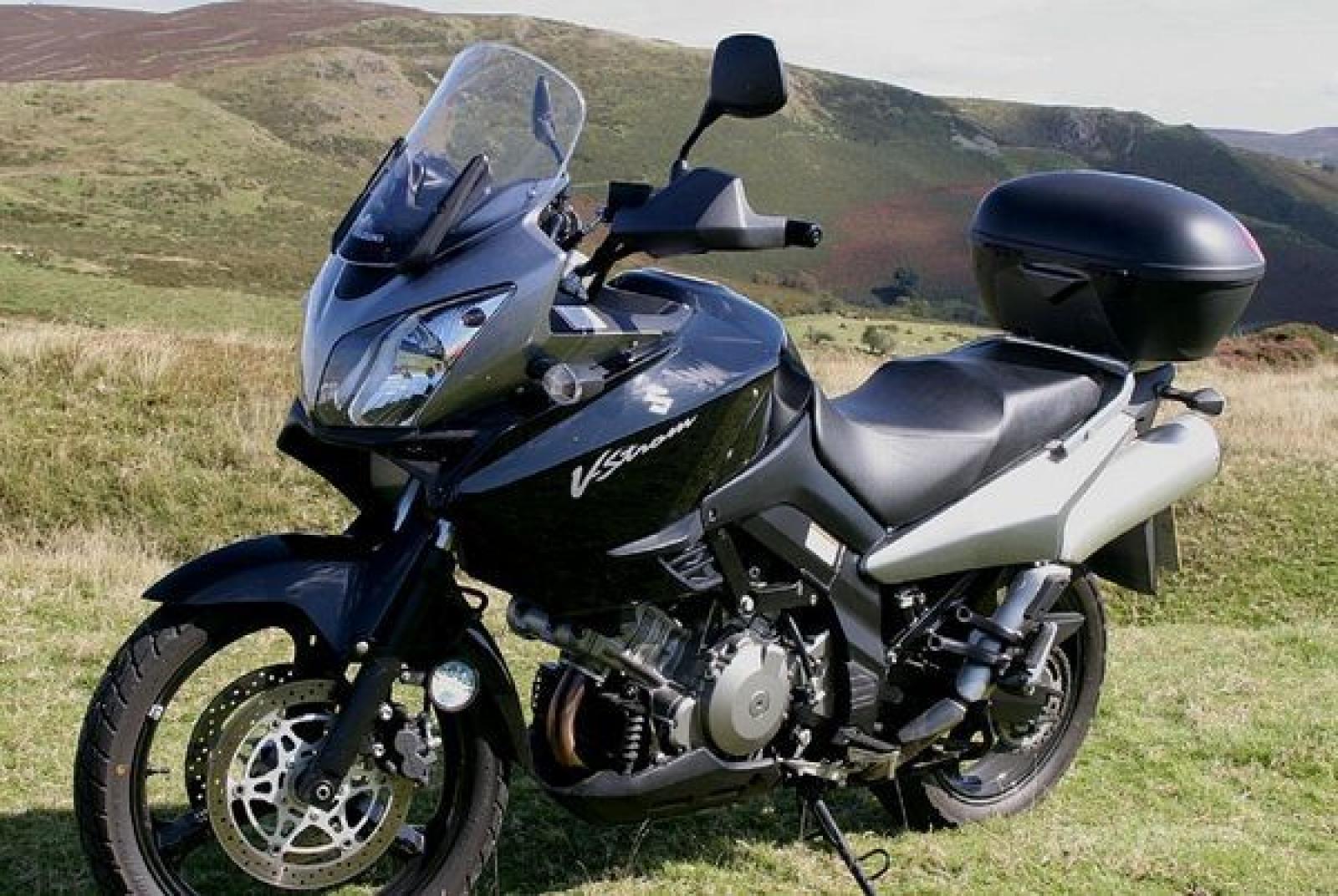
In the vibrant streets of New York City, where modernity and nostalgia collide, some motorcycles have faded from the collective memory of riders and enthusiasts alike. These machines, once revered for their innovative design and exhilarating performance, now rest forgotten in the annals of time. Here, we unveil ten such motorcycles that have slipped into obscurity, exploring what made them remarkable and why they have vanished from the bustling avenues of the city. Each entry includes insights into its history, specifications, and where you might still find remnants of these extraordinary bikes.
1. Honda CB350
Address: 1234 Vintage Lane, Brooklyn, NY 11224
Contact: (718) 555-0198
Website: www.vintagehondamotorcycles.com
This iconic bike, produced from 1968 to 1973, encapsulated the spirit of the 1970s with its sleek lines and reliable engine. A favorite among college students and commuters, the CB350 offered a perfect blend of power and efficiency, boasting a 325cc engine that provided both performance and fuel economy. Its trajectory is a microcosm of motorcycle culture’s shift towards larger, more complex machines, causing it to fade into obscurity despite its immense popularity.
2. Yamaha RD350
Address: 2112 Race Street, Queens, NY 11385
Contact: (718) 555-0290
Website: www.yamahaclassics.com
A two-stroke contender that hit the streets in the 1970s, the RD350 was celebrated for its fearless performance and agile handling. With its lightweight chassis and potent 347cc engine, riders reveled in its acceleration and cornering capabilities. However, as regulations tightened on emissions and noise, the two-stroke motorcycle drifted away from mainstream acceptance, leaving the RD350 as a relic of a bygone era.
3. Suzuki RE5
Address: 3333 Rotary Road, Staten Island, NY 10301
Contact: (718) 555-0345
Website: www.suzukimotorcycleslegacy.com
The RE5 was an avant-garde motorcycle that showcased Suzuki’s foray into rotary engine technology. Launched in 1975, this bike was engineered to provide unique performance characteristics, rivaling conventional piston engines. However, its quirky design and the public’s reluctance to embrace the rotary concept contributed to its short production run. Today, you’ll find this innovative machine collecting dust in obscure garages and collections across the city.
4. Moto Guzzi Le Mans
Address: 4141 Moto Park, Bronx, NY 10453
Contact: (718) 555-0456
Website: www.motoguzziclassics.com
The Le Mans, unveiled in the 1970s, epitomized Italian design and engineering prowess. This sportbike boasted a V-twin engine and exceptional handling, becoming a staple among motorcycle racers and enthusiasts. Over time, performance standards evolved, overshadowing the inherently charismatic yet aging Le Mans. Today, its striking profile barely resonates in the busy streets of NYC, though its loyal admirers still reminisce.
5. Kawasaki Z1
Address: 5121 Cycle Avenue, Manhattan, NY 10001
Contact: (212) 555-0567
Website: www.kawasakiheritage.com
Launched in 1972, the Kawasaki Z1 is often credited as the progenitor of modern superbikes. Its 903cc inline-four engine redefined performance measures, practically establishing a new category of motorcycle. Despite the Z1’s groundbreaking innovations, newer models quickly eclipsed it in popularity. Time has led to its diminishing presence, leaving behind a legacy that few younger riders recognize.
6. Ducati 750 GT
Address: 6212 Clutch Circle, Long Island City, NY 11101
Contact: (718) 555-0678
Website: www.ducatilegends.com
The Ducati 750 GT emerged in the early 1970s amid the birth of a new motorcycle era. With its distinctive design and solid performance, it garnered a cult following among riders. However, changing preferences towards sportier models and advancements in engineering have relegated this once-mighty machine to a niche lover’s market. Collectors still seek the 750 GT’s charm, yet its widespread memory has sadly dwindled.
7. BSA Gold Star
Address: 7325 Classic Motor Drive, Williamsburg, NY 11211
Contact: (718) 555-0789
Website: www.bsaarchives.com
The BSA Gold Star is a quintessential British motorcycle, revered for its racing pedigree and classic aesthetics. Produced from 1938 to the 1960s, it thrived in competitive environments. However, as the motorcycle industry evolved and imports flooded the market, the Gold Star’s prominence diminished, and now it exists mainly as a vintage item adored by enthusiasts who appreciate its rich history.
8. Triumph Bonneville T120
Address: 8585 Heritage Lane, East Harlem, NY 10029
Contact: (212) 555-0890
Website: www.triumphclassics.com
The Triumph Bonneville T120, iconic in its right, once typified rebellious youth culture in the 1960s. A combination of style and engineering excellence made it highly desirable. However, shifts towards more powerful and technologically advanced motorcycles led it into obscurity, overshadowed by modern iterations while still deeply cherished by vintage motorcycle aficionados.
9. Norton Commando
Address: 9292 Rider’s Lane, Greenpoint, NY 11222
Contact: (718) 555-0911
Website: www.nortonmotorcycles.com
This remarkable British motorcycle, produced during the late 1960s and 1970s, is a testament to the golden age of motorcycle engineering. The Commando was notable for its innovative isolastic frame and powerful 745cc engine. Yet, as manufacturing standards evolved and globalization transformed the market, the Norton Commando receded from the spotlight, leaving behind a legacy appreciated only by a niche group of enthusiasts.
10. Gilera CX125
Address: 1010 Italian Classics Way, SoHo, NY 10012
Contact: (212) 555-1222
Website: www.gileraclassics.com
A compact machine with a distinct Italian flair, the Gilera CX125 made waves in the 1980s for its agility and design. While it captured the hearts of many young riders, regulatory changes in emissions led to its production ceasing. Sadly, this machine’s novelty could not surmount the industry’s rapid evolution, leaving it largely forgotten but revered by those who experienced its charm.
As we traverse the historical landscape of motorcycles, we cannot ignore how societal changes have led to the obsolescence of these once-celebrated machines. By recognizing their significance, we reignite the appreciation for the craftsmanship, innovation, and thrill they once offered, ensuring that their legacies endure in stories and collections throughout New York neighborhoods.