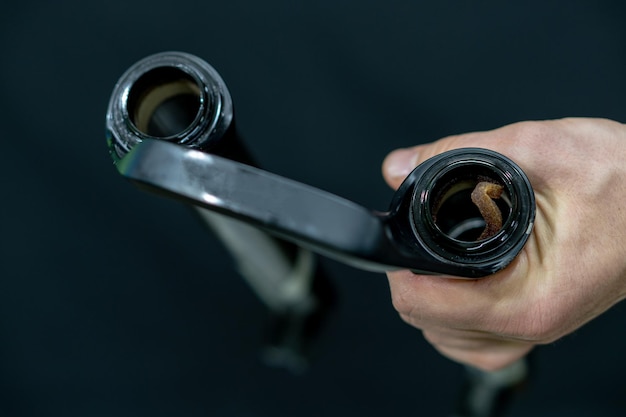
Maintaining a motorcycle’s front suspension is crucial for optimal performance and safety. One of the most vital aspects of this maintenance is changing the fork oil, an operation many riders overlook. A clear understanding of this process can significantly restore suspension performance, enhance safety, and extend the lifespan of the components. This guide will take you through the intricacies of changing fork oil while uncovering the deeper reasons behind the fascination with this essential maintenance task.
Understanding Fork Oil: The Lifeblood of Suspension
Fork oil serves as the hydraulic fluid that dampens the fork’s movement, absorbing shocks and oscillations from the road. It plays a pivotal role in determining how well the suspension behaves under various riding conditions. Over time, fork oil can degrade due to factors like heat, moisture, and metal contaminants, leading to diminished performance and an uneven ride. Riders often perceive a decline in suspension efficacy, yet many do not grasp the extent to which old oil can impair handling and comfort.
Common Signs That It’s Time for a Change
Observing changes in your motorcycle’s ride can be an enlightening experience. As fork oil ages and deteriorates, several symptoms may manifest:
- Fluid Leakage: Noticeable damp spots or wear around fork seals are often the first indicators prompting owners to investigate their fork oil.
- Harsh Ride Quality: If the front suspension feels rigid, failing to absorb bumps effectively, it’s a sure sign that the oil’s viscosity has diminished.
- Fork Stiction: A sticky feel when compressing or extending the forks could signal the presence of contaminated oil.
- Uneven Handling: A motorcycle that handles erratically or dips excessively when braking often leads back to the condition of the fork oil.
Each of these symptoms not only hints at the necessity for an oil change but also evokes a deeper understanding of the engineering principles underlying motorcycle suspension systems.
Tools and Materials You Will Need
Embarking on a fork oil change requires a selection of tools and materials. The following list will equip you for a successful operation:
- Tools:
- Socket and ratchet set
- Torque wrench
- Fork seal driver
- Pliers
- Oil catch pan
- Screwdrivers
- Fork oil level gauge
- Materials:
- New fork oil (ensure the appropriate viscosity for your motorcycle)
- Replacement fork seals (if necessary)
- Rags for cleaning up spills
The Step-by-Step Process of Changing Fork Oil
Let’s delve into the process itself, examining each step that leads to restoring your motorcycle’s front suspension performance:
- Prepare Your Motorcycle: Secure your bike on a level surface and use a stand to elevate the front end for easier access to the forks.
- Remove the Front Wheel: Detach the front wheel to gain unobstructed access to the forks. Carefully follow the manufacturer’s prescribed procedures to ensure no components are damaged.
- Access the Forks: Loosen and remove the top caps from each fork leg. This will allow you to get to the existing fork oil.
- Drain the Old Oil: Invert the forks and allow the old oil to drain into your oil catch pan. Exercise patience—this may take some time. Rinse and wipe the inner tubes with a clean rag.
- Inspect and Replace Seals: Check fork seals for wear and replace them if they exhibit signs of damage. Using a fork seal driver ensures a proper fit.
- Refill with New Oil: Fill each fork tube with the recommended amount of new oil; utilizing a fork oil level gauge can guarantee precision.
- Reassemble: Reattach the top caps, ensuring they are torqued to the specifications provided by the manufacturer, and reinstall the front wheel.
Post-Change Inspection and Adjustment
Once the fork oil change is complete, a post-maintenance inspection is essential. Test the front suspension by compressing the forks manually; they should adequately rebound without sticking. Additionally, take your motorcycle for a short ride, paying attention to its handling. This initial assessment can confirm the restoration of suspension performance or highlight further issues to address.
The Deeper Allure of Fork Maintenance
The act of changing fork oil may seem like a mundane task, yet it embodies a deeper allure—a communion with the very mechanics that govern your ride. The tactile experience of working with your motorcycle, understanding its needs, fosters a connection with the machine that transcends mere transportation. This process provides invaluable insight into the engineering behind motorcycle dynamics and amplifies the appreciation for the craftsmanship involved in each ride.
In conclusion, changing fork oil is not just an essential maintenance task; it is an opportunity for riders to engage deeply with their machines. Embracing this process can restore front suspension performance and foster a profound connection with the motorcycle, ensuring that each journey is safe and exhilarating.