When one thinks of motorcycle culture, a visceral image emerges—chrome gleaming under the sun, the roar of engines reverberating through the air, and riders clad in leather with an unyielding sense of freedom. Yet, as enthusiasts know, this gritty passion has evolved into an ironic manifestation of itself in contemporary society. This irony reveals a complex relationship with ideals of freedom, individuality, and societal expectations. Here, we embark on a journey to explore how a culture so steeped in rebellion transformed into one that often embraces conformity and commodification.
The Allure of the Open Road
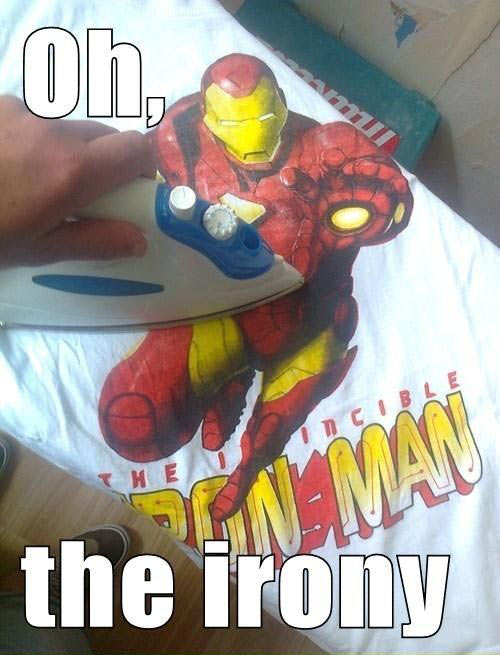
At its core, motorcycle culture has always symbolized escape. The open road beckons riders to transcend their everyday lives, offering an exhilarating sense of liberation. For many, it is about the journey, not the destination. However, as the decades passed, this allure has morphed, leaving behind the pure essence of liberation for something more complicated. The iron steed, once heralded as a vessel of freedom, now sometimes serves as a vehicle for conformity, representing much more than mere transportation. Riders often find themselves participating in an elaborate dance of brand loyalty, while the true spirit of individuality runs the risk of being overshadowed.
The Rise of the Lifestyle Brand
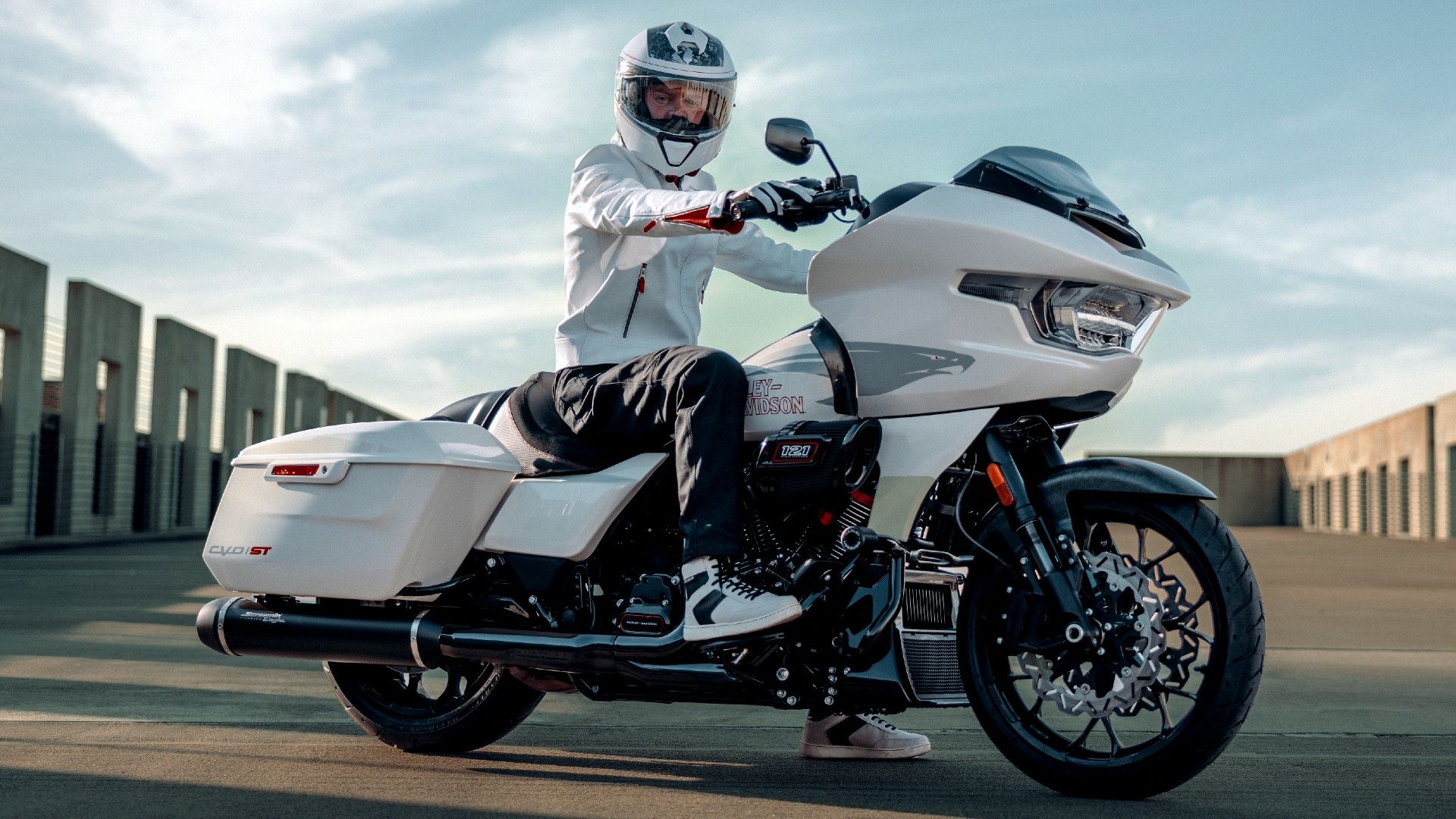
Many manufacturers and enthusiasts have recognized the potential of motorcycle culture as a lifestyle brand. Companies such as Harley-Davidson have effectively transformed a motorcycle purchase into an emblem of status. The iconic logo adorns everything from jackets to mugs, showcasing a culture that is as much about identity as it is about function. In this capitalization, the essence of the ride sometimes wanes, sacrificing spontaneity and authenticity for a curated image. The new age rider is often swept up in a world where they purchase not just a motorcycle, but the entire lifestyle complete with marketing slogans and fashion statements.
The Cult of Customization
Customization—a cornerstone of motorcycle culture—once epitomized individuality. Riders would alter their bikes to reflect personal flair, making each machine one-of-a-kind. However, this practice has also fallen prey to irony. As trends emerge, customization has become a genre unto itself. While some riders still embrace the notion of creating a bike that mirrors their idiosyncrasy, many now feel compelled to follow popular styles. This paradox presents a challenge: in pursuit of individuality, some inadvertently succumb to collective norms, unknowingly navigating a landscape crafted by social media trends and industry dictates.
Brotherhood and Social Dynamics
Motorcycling is inherently social. It builds connections among diverse groups united by a shared passion. However, the camaraderie observed in riding clubs can sometimes oscillate between genuine fellowship and exclusionary practices. While club members often pride themselves on being part of an exclusive circle, this can lead to an unwitting irony—while searching for community, some enthusiasts may unintentionally foster an environment of elitism that contradicts the foundational ethos of acceptance and freedom within the motorcycling community. The desire to belong can eclipse the very freedom the motorcycle symbolizes.
Environmental Paradox
Another layer to explore is the environmental contradiction within motorcycle culture. The internal combustion engine, which fuels the freedom of riders, has increasingly drawn scrutiny in an era emphasizing sustainability. Motorcycles, traditionally seen as alternative vehicles, now face criticism for their carbon footprints. As eco-consciousness broadens, some riders grapple with the irony of loving a machine that contributes to environmental degradation. This has led to a burgeoning interest in electric motorcycles, which symbolize a shift in values while igniting discussions around authenticity and the essence of the riding experience.
Media Representation and Masculinity
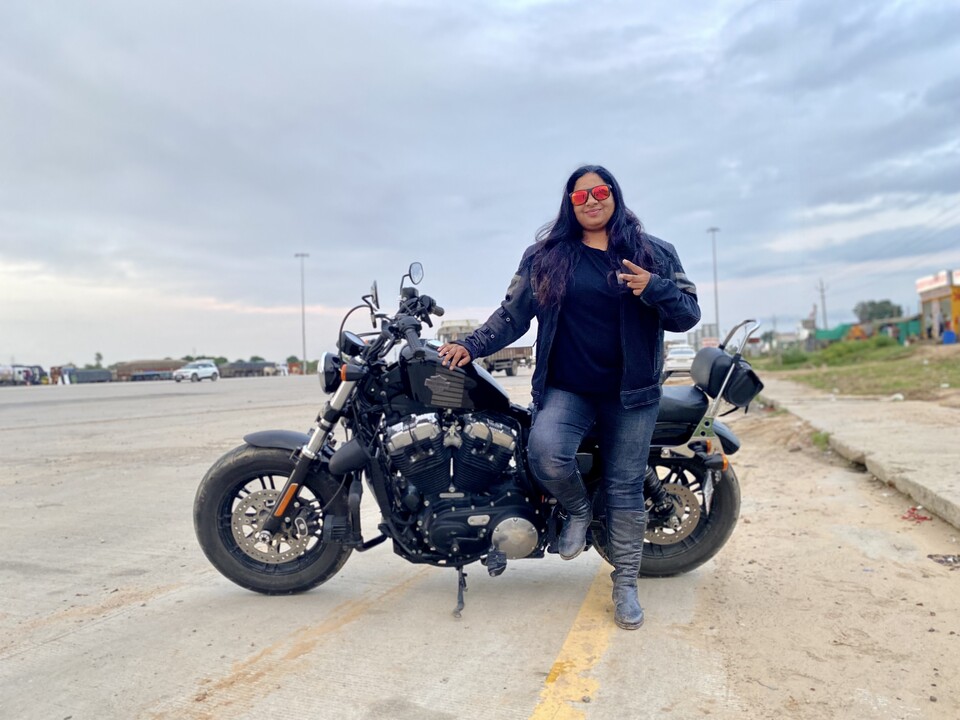
The portrayal of motorcyclists in mainstream media often leans towards hypermasculine archetypes. Characters are typically depicted as rugged loners, embodying an ideal of virility and rebelliousness. This narrative ironically sidelines the diversity within motorcycle culture, which extends well beyond traditional masculinity. The growing presence of female riders and varying cultural backgrounds adds nuance to the landscape. Nevertheless, the persistent adherence to stereotypes can inadvertently pigeonhole the community, stalling the evolution of a culture ripe for inclusivity and self-exploration.
Conclusion: Riding into the Future
The narrative of motorcycle culture, from its iron-clad roots to the contemporary irony that often envelops it, illustrates a fascinating evolution. As society progresses, the relationship between freedom and conformity continually shifts, revealing complexities that challenge the core principles on which this culture was built. Enthusiasts and newcomers alike must remain vigilant, celebrating the spirit of individuality while questioning the dynamics of commercialism and societal expectations. By doing so, the motorcycle will not merely represent a tool of escape but will also serve as a symbol of unbridled potential—heralding a culture that can embrace both its past and future with authenticity.